
Last updated October 31, 2026
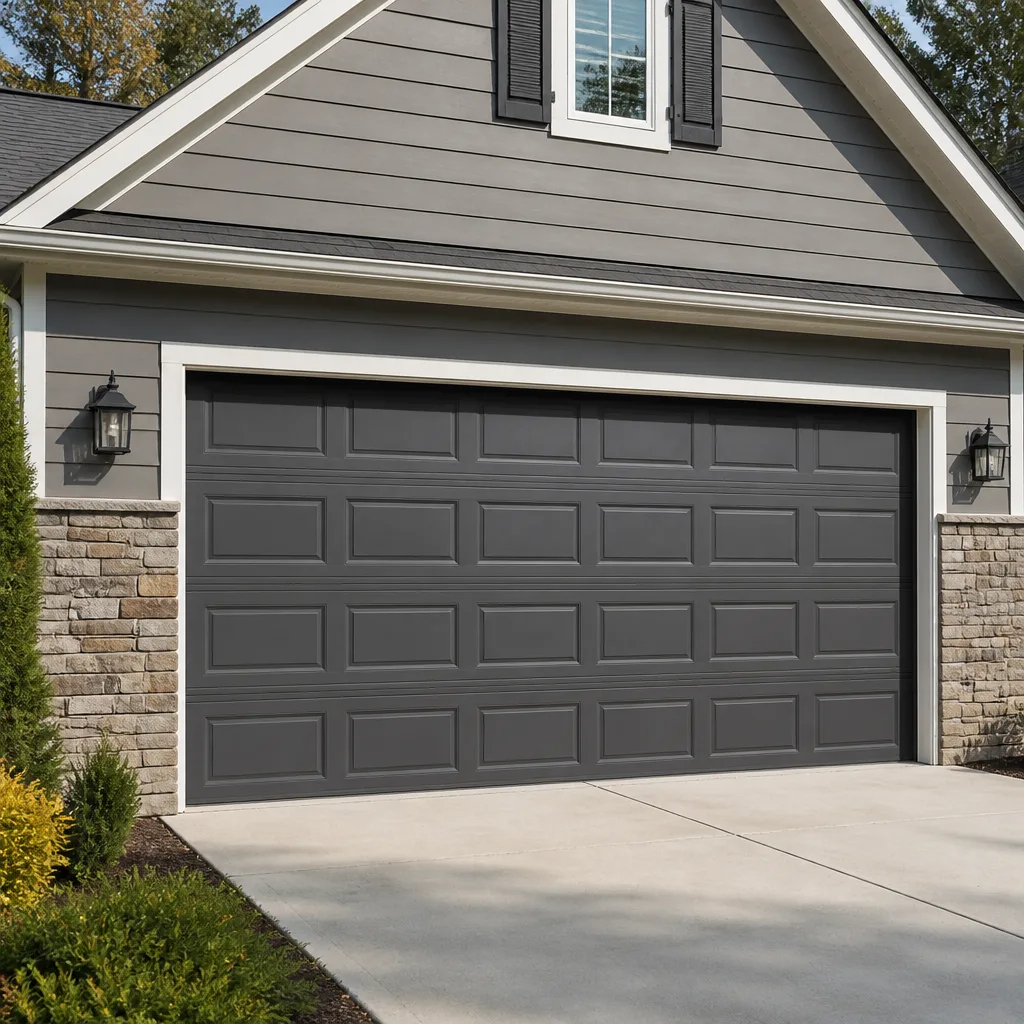 Raised-panel steel
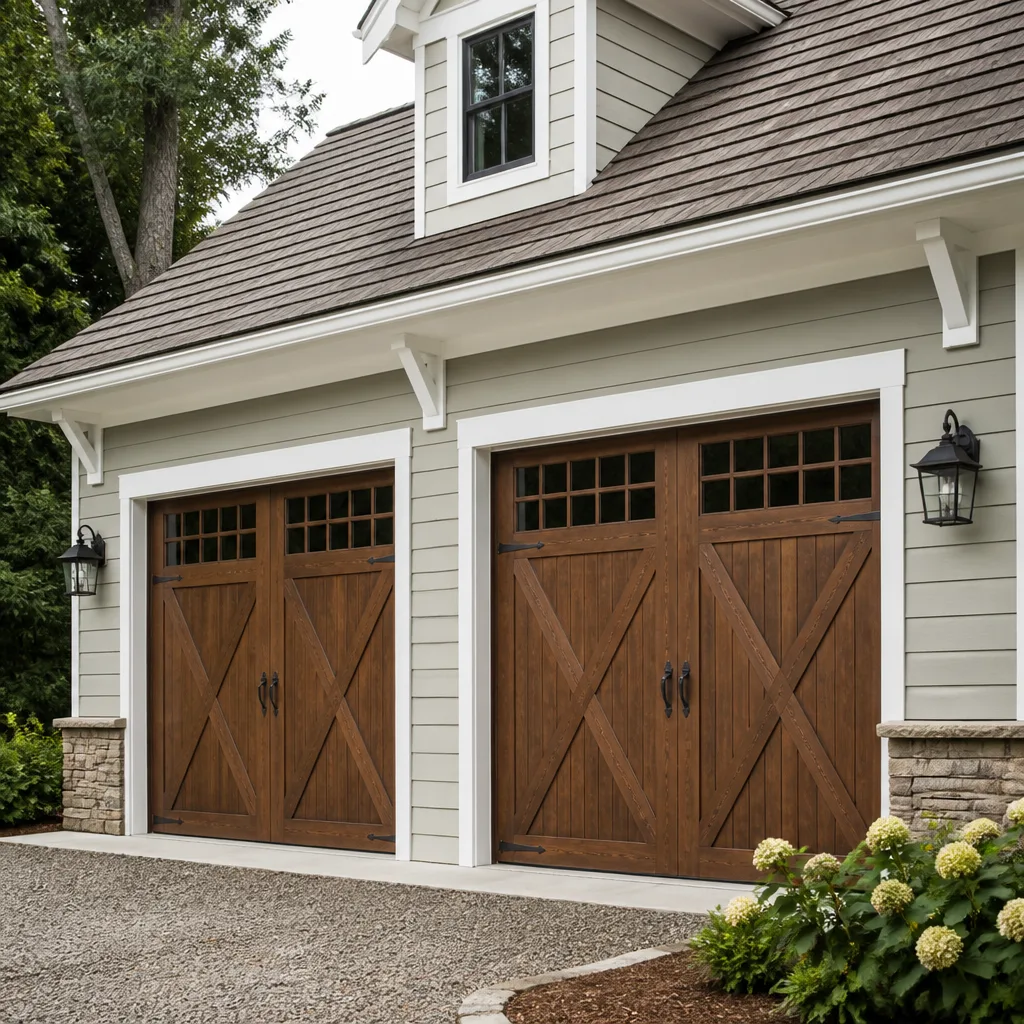 Carriage house
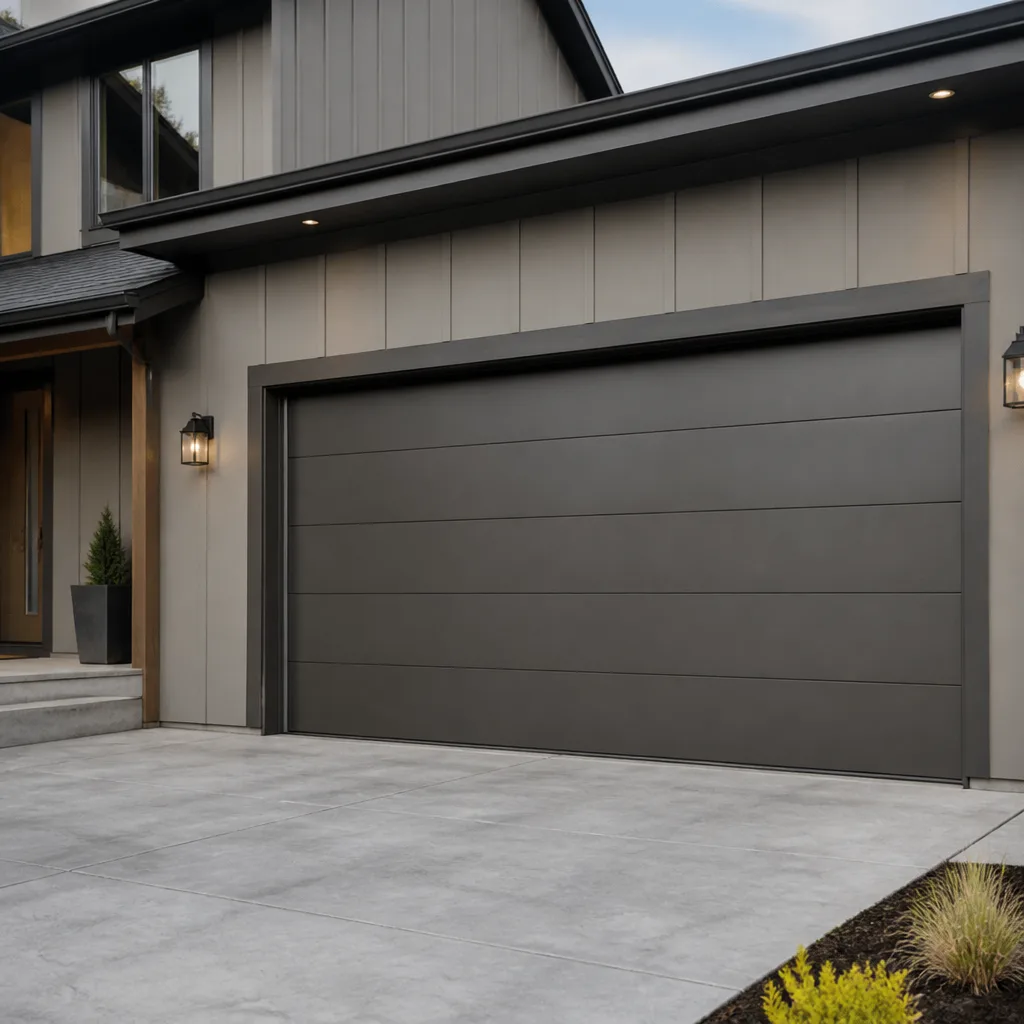 Modern flush
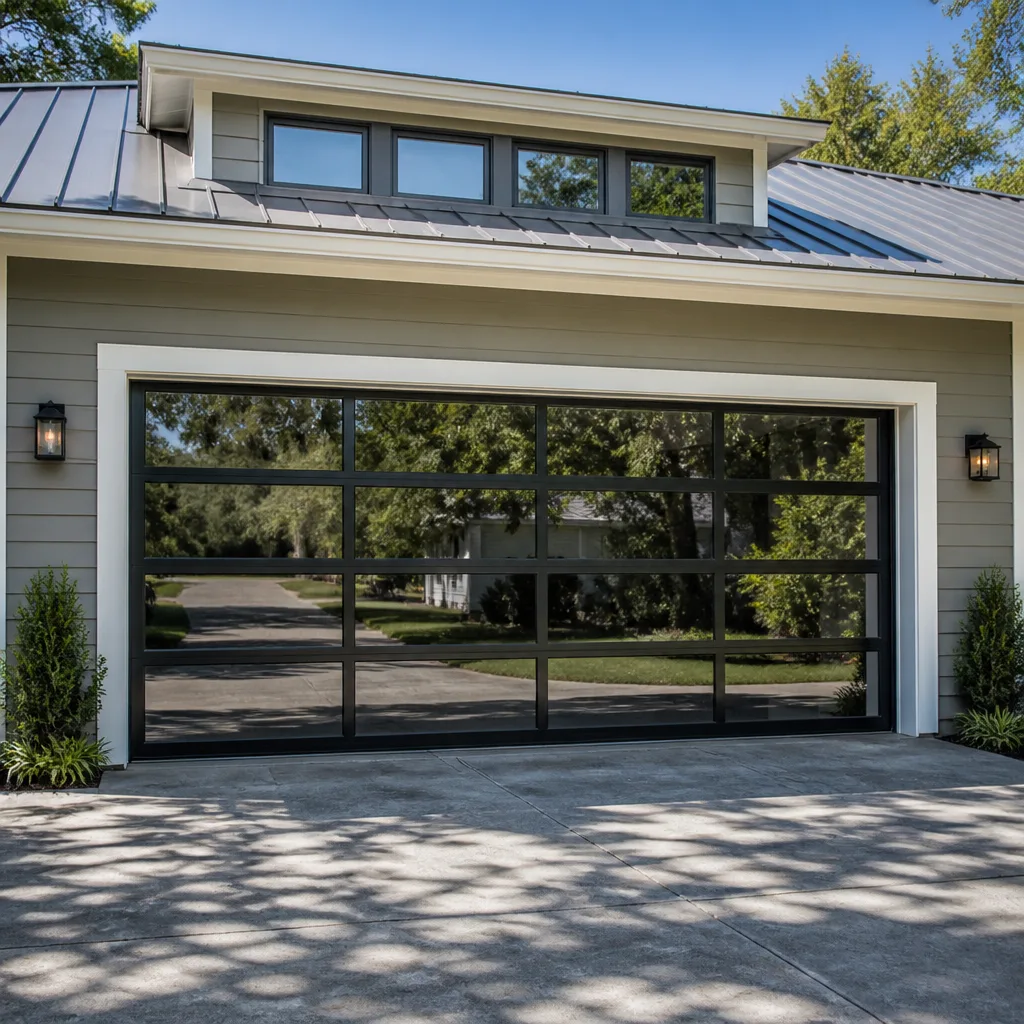 Full-view glass
 LiftMaster openers
 Chamberlain openers
Full 25-point door and opener safety check with every visit - springs, cables, rollers, tracks, and your LiftMaster or Chamberlain opener included
You get a price before we start. It does not change when the truck arrives.
Get your free estimateSeasonal Garage Door Care for Huntington Beach: Year-Round Homeowner’s Guide
Huntington Beach doesn’t get snow, ice, or freezing temperatures. What it does get is a marine layer that saturates metal components for weeks at a time in late spring, Santa Ana winds that blast fine dust and debris into tracks and seals each fall, and UV intensity that breaks down finishes and polymer parts faster than almost anywhere else on the California coast. The result is a specific, predictable pattern of garage door wear that has less to do with temperature swings and more to do with moisture, salt air, static, and sun. This guide breaks down exactly what those seasonal stressors do to your door, what to check each quarter, and which tasks actually extend the life of a garage door system in Huntington Beach. For a deeper look at local maintenance strategies, see The Complete Guide to Garage Door in Huntington Beach. We’ll cover the maintenance calendar that matters here, not the generic checklist written for Ohio winters.
Styles & brands we work with
Quick Answer
Seasonal garage door care in Huntington Beach comes down to four quarterly checks: clean and lubricate moving parts in spring, protect electronics and lubricate hinges during marine layer season, clear debris and check seals during Santa Ana wind months, and inspect UV damage and hardware before winter. The most important local habit is addressing marine layer moisture before it corrodes springs and circuit boards, and checking your bottom seal after every significant wind event.
Table of Contents
- The Huntington Beach Quarterly Maintenance Calendar
- Marine Layer Season: Protecting Springs, Hinges, and Circuit Boards
- Santa Ana Wind Season: Seals, Tracks, and Static Debris
- UV Damage and Your Garage Door: What the Sun Actually Does
- The Emergency Release Check Most Homeowners Miss
- Lubrication: What to Use, What to Skip, and How Often
- Opener-Specific Seasonal Care
- Common Mistakes to Avoid
- When to Call a Professional
- Frequently Asked Questions
- The Bottom Line
The Huntington Beach Quarterly Maintenance Calendar
Most national garage door maintenance guides are built around a four-season model that assumes freezing winters and hot, humid summers. Huntington Beach has neither. What it does have is a climate pattern that repeats every year with remarkable consistency: a mild, clear window from late January through mid-April; the May-to-July marine layer; warm, dry August through October with occasional Santa Ana events; and a cooler, shorter daylight period from November through January. Each of those windows stresses different components of the door system.
That’s why we recommend treating garage door maintenance as a quarterly discipline rather than an annual chore. A single annual service catches problems late. A quarterly rhythm catches them early, when fixes are measured in minutes and dollars rather than replacement parts and emergency calls. Here’s the calendar that fits Huntington Beach’s actual climate:
- Early spring (February to March): Full lubrication, hardware tightening, balance test, and track alignment check. This is the reset window after the mild but damp winter months and before marine layer intensity peaks.
- Late spring and early summer (May to July): Focus on moisture protection. Check for surface rust on springs and hinges, verify the opener’s logic board and sensors are protected from humidity, and clear any debris that’s accumulated in the bottom seal channel.
- Late summer and fall (August to October): Prepare for Santa Ana season. Inspect the bottom seal for compression and tears, check track alignment after any wind events, and clear fine dust and grit from rollers and hinges.
- Early winter (November to January): UV damage inspection, refinishing if needed, battery check on remotes and keypads, and a full cycle test to identify any developing mechanical issues before the shorter, cooler stretch when doors get used less.
This rhythm matters because in Huntington Beach, the component failures we see follow the seasons. Spring failures are disproportionately on torsion springs that have been slowly corroding through marine layer exposure. Fall failures skew toward roller and track problems driven by wind-blown grit. If you know what to look for in each window, you catch issues before they strand you in the driveway.
Marine Layer Season: Protecting Springs, Hinges, and Circuit Boards
The May-through-July “June Gloom” period in Huntington Beach isn’t just a visibility inconvenience. It’s a sustained, daily cycle of high humidity, condensation, and salt-laden air that settles directly onto exposed metal. For a garage door, that means weeks of moisture sitting on torsion springs, extension springs, hinges, roller bearings, and track hardware. This is the single most corrosive seasonal condition a Huntington Beach garage door faces, and it’s the reason we see a spike in spring failures every August.
What’s happening is straightforward: the marine layer pushes relative humidity above 85% for hours at a stretch, and the temperature fluctuation between cool nights and warmer afternoons creates condensation cycles on metal surfaces. Springs under tension are especially vulnerable because the micro-moisture settles into the gaps between coils, where it doesn’t evaporate quickly. Over a few seasons of this, surface oxidation becomes pitting, and pitting becomes the fatigue point where a spring eventually snaps.
Here’s what to do during marine layer season:
- Inspect springs for surface rust every two weeks. Light surface discoloration is normal. Flaking, pitting, or visible rust blooms between coils are warning signs that the spring’s structural integrity is compromised. Do not attempt to clean or repair a torsion spring yourself; the tension they hold can cause serious injury if released incorrectly.
- Wipe down exposed metal components on dry afternoons. A clean, dry cloth on hinges, track brackets, and spring cones removes salt residue before it builds up.
- Apply a thin coat of garage-door-specific lubricant to springs and hinges. A silicone or lithium-based spray creates a moisture barrier that makes a measurable difference in corrosion rates.
- Check the opener logic board compartment. Most modern openers have a sealed housing, but older units and some economy models have ventilation slots that allow humid air to reach circuit boards. If you see condensation or corrosion on the board, the unit may need relocation or a dehumidifying solution.
- Verify sensor alignment and cleanliness. Marine layer moisture combines with dust to create film on safety sensor lenses. A quick wipe with a dry microfiber cloth prevents false “obstruction” failures that are actually just dirty lenses.
One more thing worth noting about marine layer season: it’s the period when homeowners most often mistake corrosion problems for mechanical problems. A door that starts running rough in July might look like a roller or track issue, but the root cause is often moisture-swollen wood or early-stage rust on the hardware. Addressing the moisture impact early keeps small issues from becoming August emergency calls.
Santa Ana Wind Season: Seals, Tracks, and Static Debris
Santa Ana winds are fundamentally different from anything else a Huntington Beach garage door deals with. The air is hot, dry, and moving fast, often sustained at 20 to 40 mph with gusts well beyond that. For a garage door, three specific things happen during Santa Ana events that don’t happen at any other time of year, and they each require a targeted response.
First, the high-velocity air drives fine dust, sand, and small debris into every gap in the door system. The bottom seal, side seals, and the gap between panels all act as collection points. This grit works its way into roller bearings and hinge pins, accelerating wear dramatically. Second, the dry air creates static electricity that makes dust cling to surfaces it would normally blow past. Third, sustained gusts push against the full face of a closed door, which can shift track alignment by fractions of an inch, enough to cause binding or noisy operation weeks later.
Here’s the Santa Ana season checklist:
- Inspect the bottom seal for compression, tears, or displacement after each significant wind event. The seal is the first line of defense against wind-blown debris entering under the door. A torn or compressed seal lets dust, sand, leaves, and even small pests into the garage.
- Run the door through a full cycle and listen for new grinding or squeaking. Grit in the rollers or tracks makes a distinctive sound. If you hear it, the fix is usually a thorough cleaning before the grit gets worked deeper into bearings.
- Check track alignment with a visual inspection. Stand inside the garage with the door closed and look down the track from front to back. Both tracks should run parallel and straight. Any bow, gap, or visible shift should be addressed before it becomes a derailment risk.
- Clean the tracks with a dry cloth or compressed air. Do not use grease or lubricant inside the tracks. Tracks are designed to run clean; lubricant there just creates a paste with wind-blown grit that makes things worse.
- Check weatherstripping on the sides and top of the door. Santa Ana winds exploit any gap in the perimeter seal. Replace brittle or cracked weatherstripping before the next wind cycle.
The post-wind check matters because damage from Santa Ana events is rarely immediate. The door still opens and closes, so homeowners assume everything is fine. But the tiny misalignment or the grit that got into the bearings doesn’t self-correct. It compounds across subsequent cycles until the door fails, usually at the worst possible moment.
UV Damage and Your Garage Door: What the Sun Actually Does
Huntington Beach averages roughly 280 days of sunshine per year, and the UV index here is consistently high because of the coastal air clarity after the marine layer burns off. That matters for garage doors because UV radiation doesn’t just fade paint. It breaks down the chemical bonds in the door’s surface materials, seals, and even the polymer components in rollers and seals.
Different door materials respond to UV exposure at different rates, and knowing your door’s timeline helps you plan refinishing and replacement at the right intervals. Here’s what we see across the four most common door types in Huntington Beach:
- Steel doors: The most common type in the area. Factory finishes on quality steel doors typically last 8 to 12 years in Huntington Beach’s UV environment before fading becomes visible and the finish starts to chalk. Spot surface rust is common on coastal steel doors where micro-scratches expose bare metal. Touch-up painting with a matching automotive-grade finish extends the structural life significantly.
- Aluminum doors: If you have a modern aluminum full-view door, the good news is that the frame doesn’t rust. The bad news is that the powder coating oxidizes over time, and the clear anodized finishes fade. Expect visible dulling within 5 to 7 years. Refinishing is usually not practical on these doors, so the realistic care strategy is protecting what’s there and planning for eventual panel replacement.
- Wood doors: The most UV-vulnerable option. A wood door that faces west or south in Huntington Beach and doesn’t get refinished every 3 to 5 years will develop cracking, warping, and finish failure. The marine layer compounds this because wood absorbs moisture during the damp season and then bakes it out in the dry sun, causing expansion and contraction cycles that accelerate grain separation.
- Fiberglass doors: Fiberglass handles UV better than wood but worse than steel. The gel coat oxidizes and fades within 6 to 8 years, and older fiberglass doors can develop surface crazing that’s more than cosmetic. Modern fiberglass doors with UV-stable topcoats are doing better, but they still need periodic waxing or sealing.
For any door type, the practical UV maintenance step that most homeowners overlook is inspecting the door’s top section. The top panel takes direct sun at the highest angle and is often the first place finish failure appears. If you catch fading or chalking early, a professional refinish costs a fraction of a full panel replacement. For help selecting a quality brand, read Choosing the Right Garage Door Brand: A Buyer’s Guide for Huntington Beach. Brands like Amarr, Wayne Dalton, and Craftsman all publish finish care guidelines for their doors, and following the manufacturer’s recommended refinishing interval is the single best way to preserve the door’s appearance and structural integrity.
The Emergency Release Check Most Homeowners Miss
Every garage door opener has an emergency release cord, usually a red rope with a T-handle that hangs from the trolley assembly. Its purpose is to disconnect the door from the opener so you can open or close it manually when the power is out or the opener fails. Most Huntington Beach homeowners know the cord exists. Far fewer know that it can be partially disengaged without anyone noticing, especially after a high-wind event.
Here’s what happens: during a strong Santa Ana event, sustained gusts push against the closed door. If the opener’s carriage is positioned near the release mechanism, the vibration and flex can work the release lever partially out of its locked position. The door still operates normally because the spring-loaded catch hasn’t fully disengaged, but it’s now one sharp movement away from releasing. When it does release mid-cycle, the door can slam down under its own weight, which is dangerous and often damaging.
The check is simple and takes about thirty seconds:
- Close the garage door completely.
- Disconnect the opener by pulling the emergency release cord straight down.
- Lift the door manually about three feet. It should raise smoothly with moderate effort and hold position when you release it.
- If the door falls or feels unusually heavy, the springs are not balanced correctly and service is needed.
- Reconnect the opener by running the opener through a full cycle, or by pulling the cord toward the door and then operating the opener once.
Perform this check after any significant wind event, and at least quarterly as part of your seasonal routine. It takes less than a minute, confirms your springs are holding proper tension, and verifies that the emergency release is fully seated. If the door doesn’t lift smoothly or the release mechanism feels loose, that’s a service call, not a DIY adjustment. Springs under tension are the most dangerous component on the door, and a door that won’t hold position manually is a spring problem.
Lubrication: What to Use, What to Skip, and How Often
Lubrication is the most frequently performed garage door maintenance task, and also the most frequently performed incorrectly. The right product in the right places at the right interval genuinely extends component life. The wrong product creates a sticky mess that attracts grit and accelerates wear. Here’s the practical breakdown.
What to use: A silicone-based or lithium-based spray lubricant designed specifically for garage doors. These products go on thin, penetrate into hinge pins and spring coils, and dry to a non-tacky film that repels moisture and dust. WD-40 is not a lubricant for this application; it’s a solvent and water displacer that will strip existing lubrication and leave metal surfaces more vulnerable.
What to lubricate:
- Torsion springs: Spray along the top of the spring coils while the door is closed. A thin, even coat is enough. Do this quarterly in Huntington Beach because the marine layer makes spring corrosion a year-round concern.
- Hinges: One short spray at each hinge pivot point. The goal is to get lubricant into the pin, not to coat the surrounding door surface.
- Rollers: Only the bearing portion of rollers with metal or nylon bearings. Plastic rollers without bearings should not be lubricated; the lubricant will attract dust and cause the plastic to degrade faster.
- Bearing plates and spring cones: A light spray helps prevent the squeaking that signals dry bearings.
What to skip:
- Do not lubricate the tracks. The rollers ride on the track surface, and lubricant there creates a paste with dust and grit that causes binding and wear.
- Do not use grease. Thick grease on garage door components attracts and holds every particle of Santa Ana dust that comes through. It also stiffens in cooler weather and creates drag.
- Do not lubricate the opener’s drive chain or belt. Most modern opener drives are designed to run dry. Check your opener’s manual; some chain drives take a very light oil, but belt drives almost universally should stay clean and dry.
In Huntington Beach, the quarterly lubrication schedule overlaps with the seasonal calendar: lubricate in February or March as part of spring reset, again in June at the peak of marine layer exposure, again in September before Santa Ana winds, and once more in December as a protective winter coat. The whole task takes about ten minutes once you know where to aim.
Opener-Specific Seasonal Care
Garage door openers have their own seasonal failure patterns in Huntington Beach, and they’re different from the door’s mechanical components. Opener failures cluster around moisture and electrical issues during marine layer season, and around power surge and static issues during Santa Ana season. A few specific care steps make a real difference.
During marine layer season, the biggest threat to your opener is condensation on the logic board and corrosion on electrical contacts. Modern openers from Chamberlain, LiftMaster, and Genie have improved circuit board protection, but no opener is immune to sustained high humidity. If your opener is older or mounted in a garage that doesn’t get much airflow, consider running a small dehumidifier in the garage during May through July, or at minimum opening the garage periodically to let dry air circulate. If the opener starts behaving erratically, with intermittent response or phantom activations, condensation on the board is worth considering before you call for garage door opener repair in Huntington Beach.
Santa Ana season brings a different issue: static electricity and power fluctuations. The dry, charged air makes the opener’s safety sensor wiring more susceptible to interference, and power lines in wind-prone areas can experience voltage drops that stress opener power supplies. A basic surge protector on the opener’s outlet is inexpensive insurance. If your opener’s remote range suddenly drops during a windy stretch, static buildup on the antenna or in the garage environment is often the culprit.
One more seasonal check worth doing: replace remote and keypad batteries twice a year, ideally in April and October. Alkaline batteries drain faster in warm weather, and hunting for a working remote at 6 a.m. on a workday is a frustration that’s completely avoidable. The keypad on the exterior wall takes direct sun in most Huntington Beach garages, so its battery drains even faster. If the keypad has been mounted in direct sun, check it quarterly.
Opener expertise matters because opener failures are among the most common and most disruptive garage door problems homeowners face. A door that won’t open because the opener’s logic board has been corroded by marine layer moisture isn’t a door problem, it’s an opener problem, and the fix requires someone who understands the difference. That’s why we treat opener repair as its own specialty service, not an afterthought to mechanical repair.
Common Mistakes to Avoid
- Skipping the quarterly rhythm and treating maintenance as annual. In Huntington Beach’s climate, damage accumulates seasonally, not annually. A spring that starts corroding in June can fail by January. Quarterly checks catch issues before they become failures.
- Using WD-40 on garage door springs and hinges. It displaces existing lubrication and leaves metal surfaces more vulnerable. Use a dedicated garage door lubricant instead.
- Lubricating the tracks. This is the most common mistake we see. Tracks should be clean and dry. Lubricant in the tracks attracts Santa Ana dust and creates a grinding paste.
- Ignoring the emergency release check. Wind events can partially disengage the release mechanism, and most homeowners never think to verify it’s properly seated until they pull the cord and the door doesn’t reconnect.
- Assuming a noisy door is just old. In Huntington Beach, noise usually means grit in the rollers or dry bearings, both of which are fixable. A door that suddenly gets louder is telling you something specific, not just aging gracefully.
- Painting over surface rust on steel doors without treating it. The rust continues to spread under the fresh paint. Surface prep matters, especially close to the coast.
- Waiting for a full failure before calling anyone. A door that’s slow to open, makes new noises, or shakes during operation is sending signals. The cost of addressing those signals early is a fraction of what an emergency repair costs when the door finally gives up.
When to Call a Professional
Some seasonal maintenance tasks are homeowner-appropriate: wiping down sensors, checking the bottom seal, listening for new noises, replacing remote batteries. Others are not. Torsion spring inspection is a visual task; torsion spring repair or replacement is a professional job with serious injury risk if done incorrectly. Track realignment after wind events, opener electrical diagnosis, and any repair involving the door’s balance system all fall into the professional category.
If your quarterly check turns up spring rust, track alignment issues, an opener that’s behaving erratically, or a door that won’t hold position when disengaged, that’s the time to bring in a specialist rather than reaching for a wrench. Driveway Garage Door Repair is a Driveway Garage Door Repair home service built around on-site, at-home work on the full range of door brands and opener systems. We offer free estimates in Huntington Beach, and we work on the brand you already have. We’re a garage door repair in Huntington Beach specialist, meaning garage doors are all we do, and opener repair is a named specialty, not an add-on.
For seasonal service or a specific concern, call (866) 253-0630 for a free estimate. We’ll assess the door, the opener, or both, and give you a direct answer on what needs attention and what can wait.
Frequently Asked Questions
Lubricate the springs, hinges, and roller bearings every three months. Huntington Beach’s marine layer creates a year-round corrosion environment, and Santa Ana winds introduce dust and grit that compounds the problem. A quarterly schedule of lubrication takes about ten minutes and measurably extends component life.
The marine layer season from May through July is the biggest threat. Sustained high humidity and salt-laden condensation cycles cause corrosion on springs, hinges, and opener circuit boards that leads to a predictable spike in mid-summer failures. Addressing moisture protection during this window is the single highest-impact seasonal maintenance task.
Yes. Heavy marine layer humidity condenses on opener logic boards and electrical connections, especially in older openers with less sealed enclosures. If your opener starts behaving erratically in June or July, condensation on the board is a likely cause. Running a dehumidifier in the garage or improving airflow helps, and replacing a moisture-damaged board is a targeted fix.
Yes. High-velocity Santa Ana winds drive debris into seals and tracks, create static that causes dust buildup, and can shift track alignment or partially disengage the emergency release mechanism. A five-minute post-wind inspection of the bottom seal, track alignment, and release cord prevents minor damage from compounding.
A quality steel door’s factory finish typically lasts 8 to 12 years in Huntington Beach’s UV environment before visible fading and chalking. Wood doors need refinishing every 3 to 5 years, especially if they face south or west. Aluminum doors fade within 5 to 7 years and usually need panel replacement rather than refinishing.
Call when your quarterly check reveals spring rust beyond surface discoloration, track misalignment, an opener that’s behaving erratically, or a door that won’t hold position when the emergency release is disengaged. Spring and track work involve high tension and alignment precision that shouldn’t be DIYed. Our team provides garage door installation in Huntington Beach along with repair and opener service, and estimates are free. Call (866) 253-0630.
The Bottom Line
Huntington Beach garage doors don’t face the freeze-thaw cycles that dominate maintenance guides elsewhere. They face moisture, salt air, wind-driven grit, and relentless sun, each of which attacks different components in different seasons. The homeowner who checks springs during marine layer, seals and tracks after Santa Ana winds, and finishes before UV has time to do its work, or to replace the door entirely once it’s beyond repair, is the homeowner who gets years of extra life out of the system. Explore more guides & resources for year-round maintenance tips. The homeowner who waits for something to break is the one calling at 7 a.m. with a door that won’t open. Quarterly attention takes a few minutes per season, and it’s the difference between a garage door that lasts fifteen years and one that needs major work in eight. Whether it’s the door, the opener, or a full replacement, the right parts for your specific system and a quarterly rhythm keep your garage door back in working order through every season Huntington Beach throws at it.
Written by the team at Driveway Garage Door Repair, serving Huntington Beach since 2015.
See the difference
 Before
 After
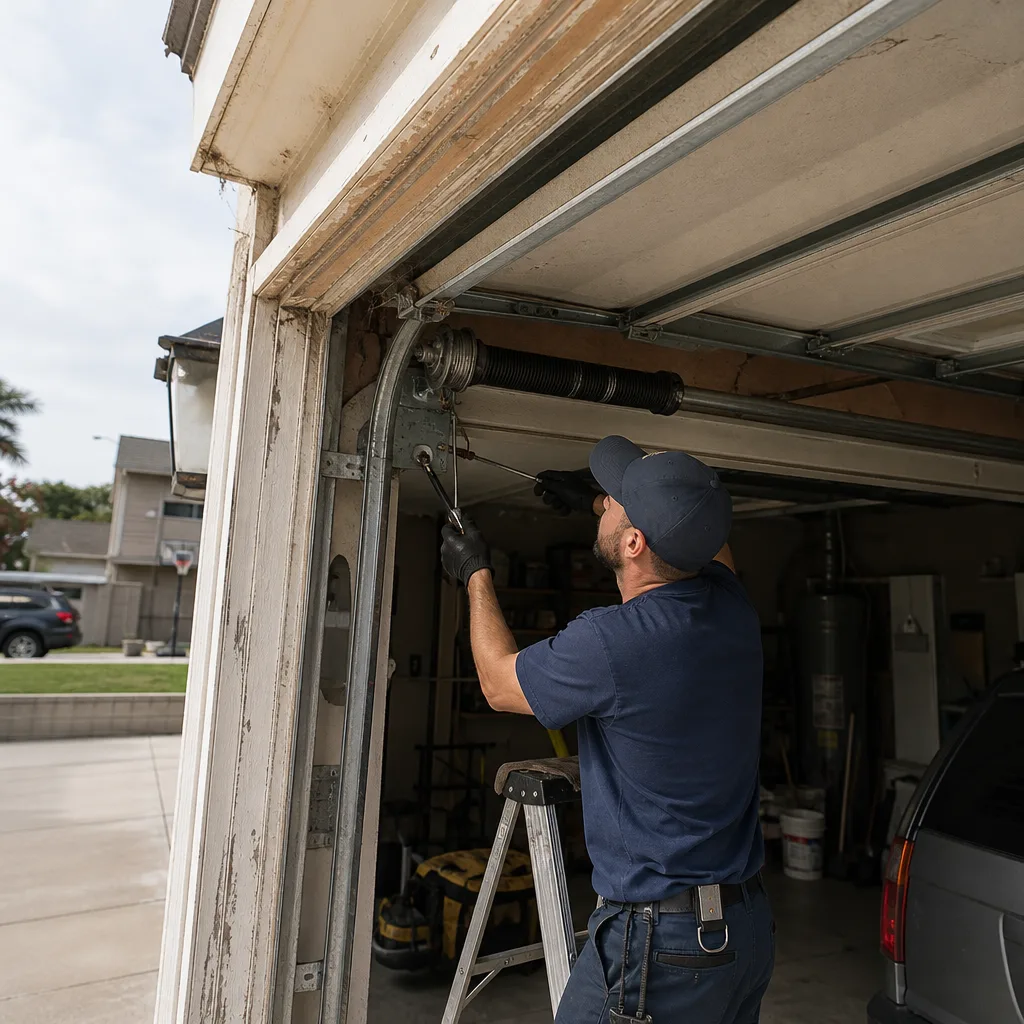 Before
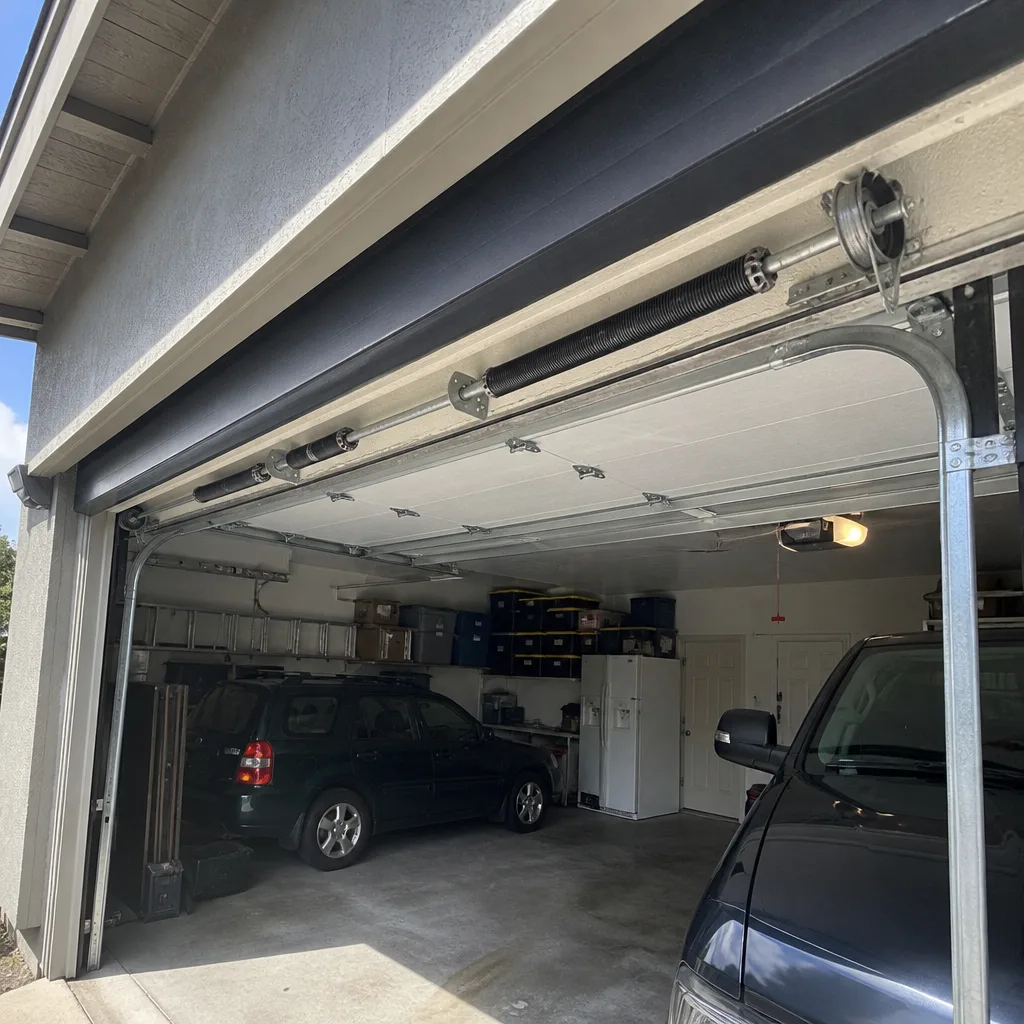 After
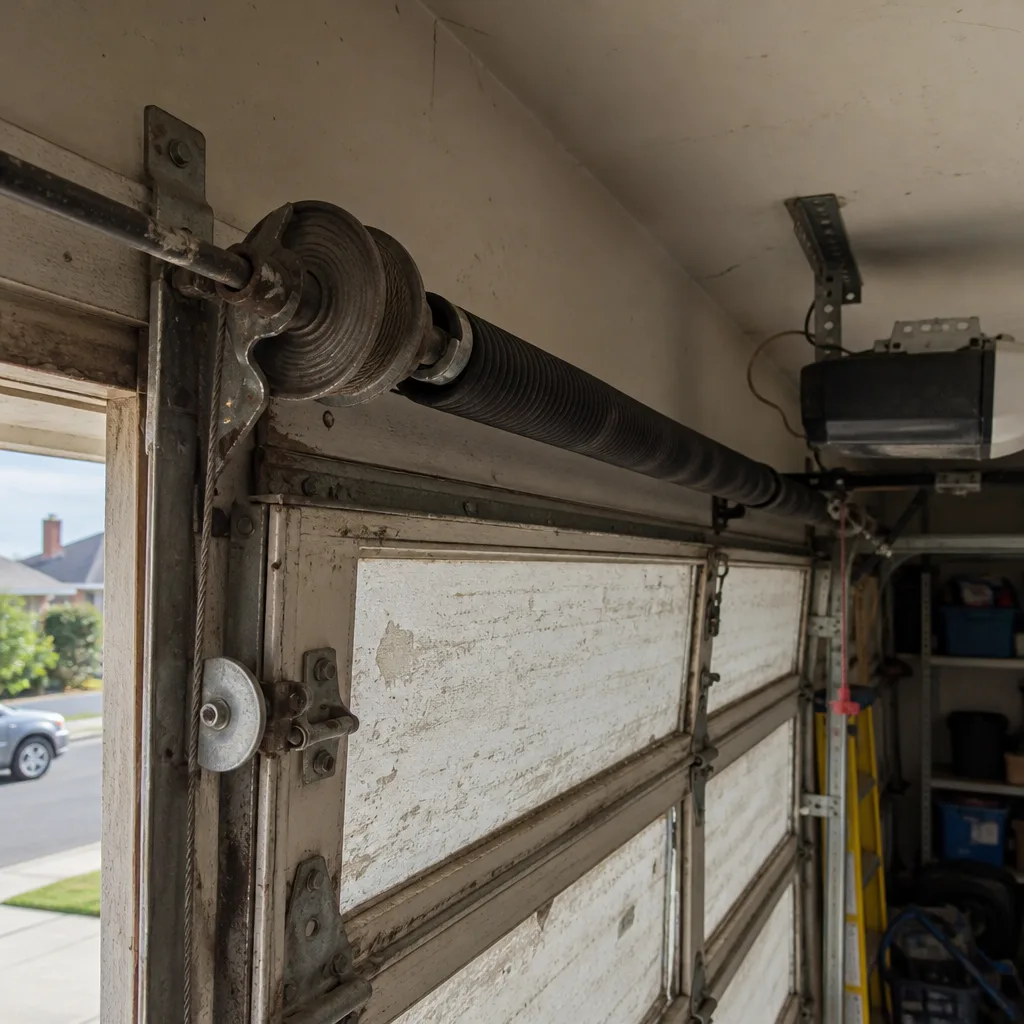 Before
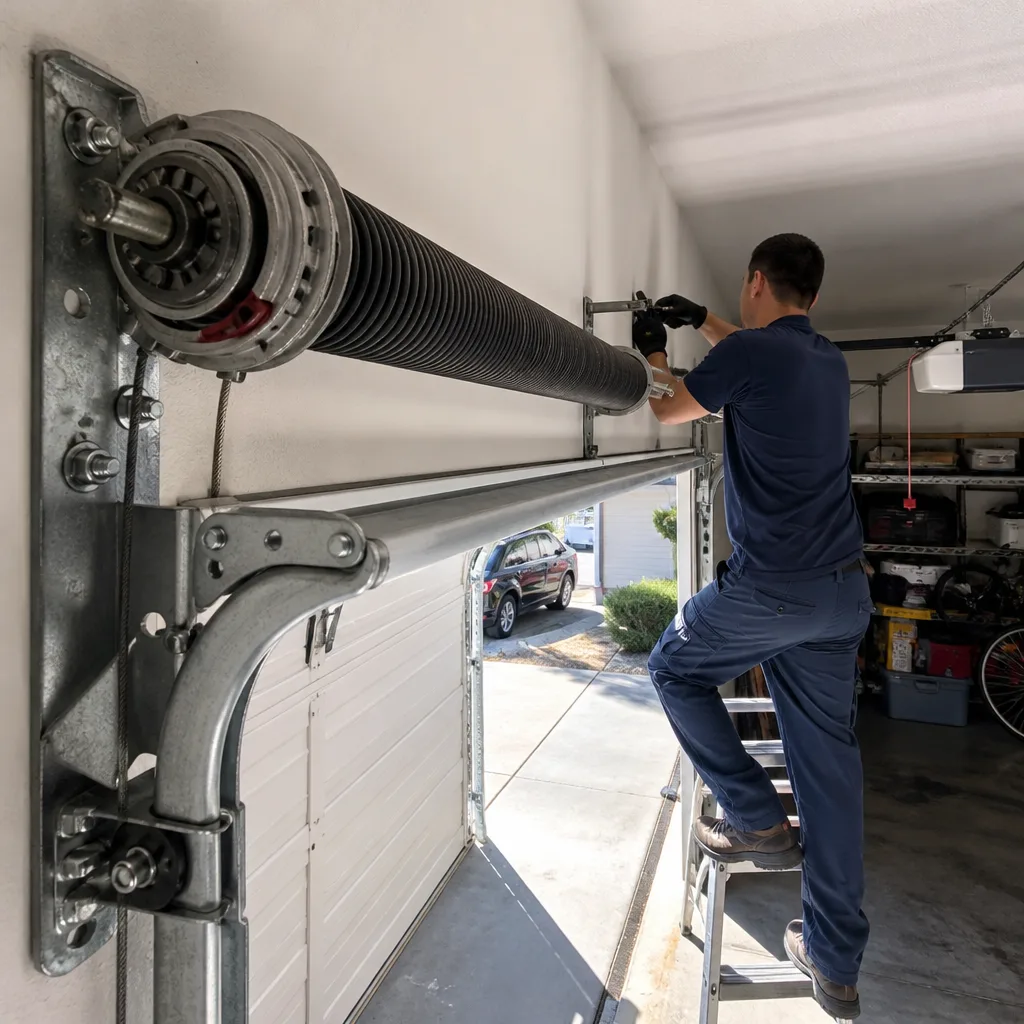 After