
Last updated October 31, 2026
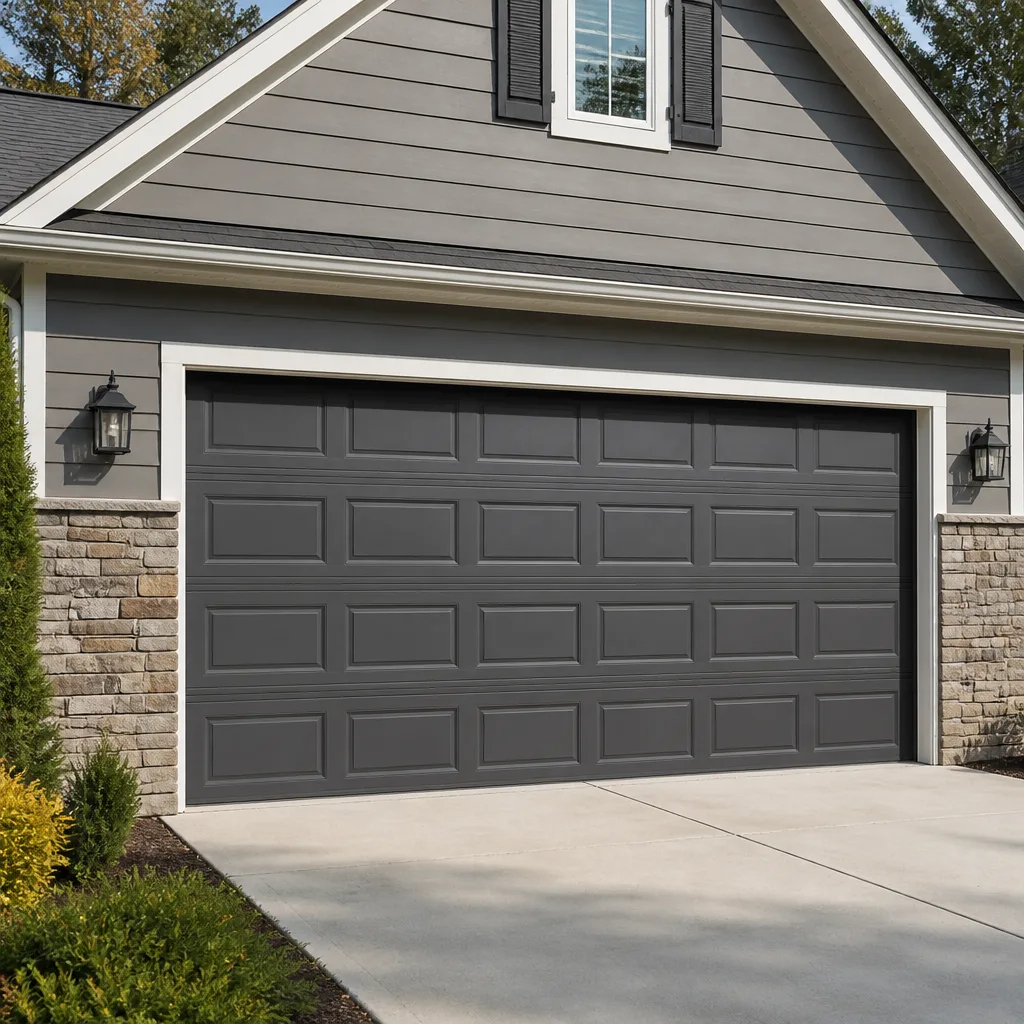 Raised-panel steel
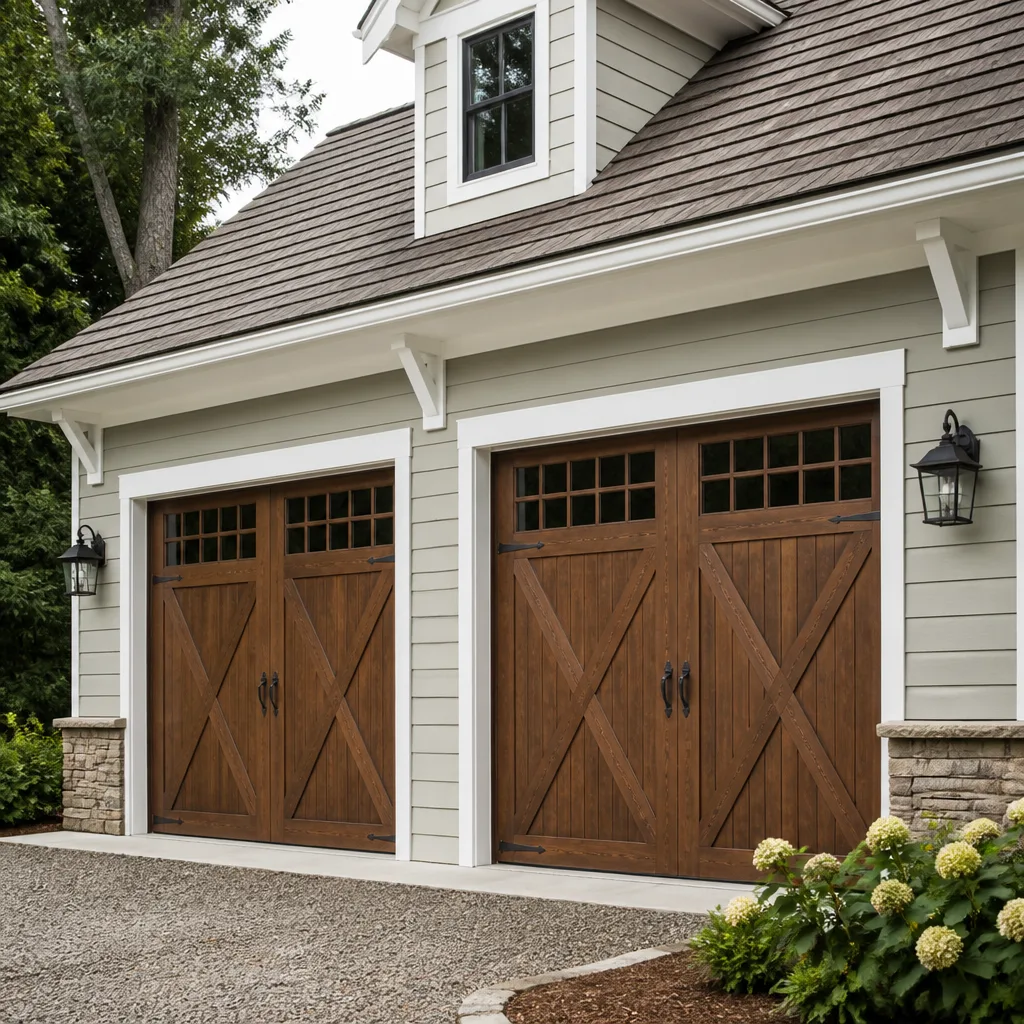 Carriage house
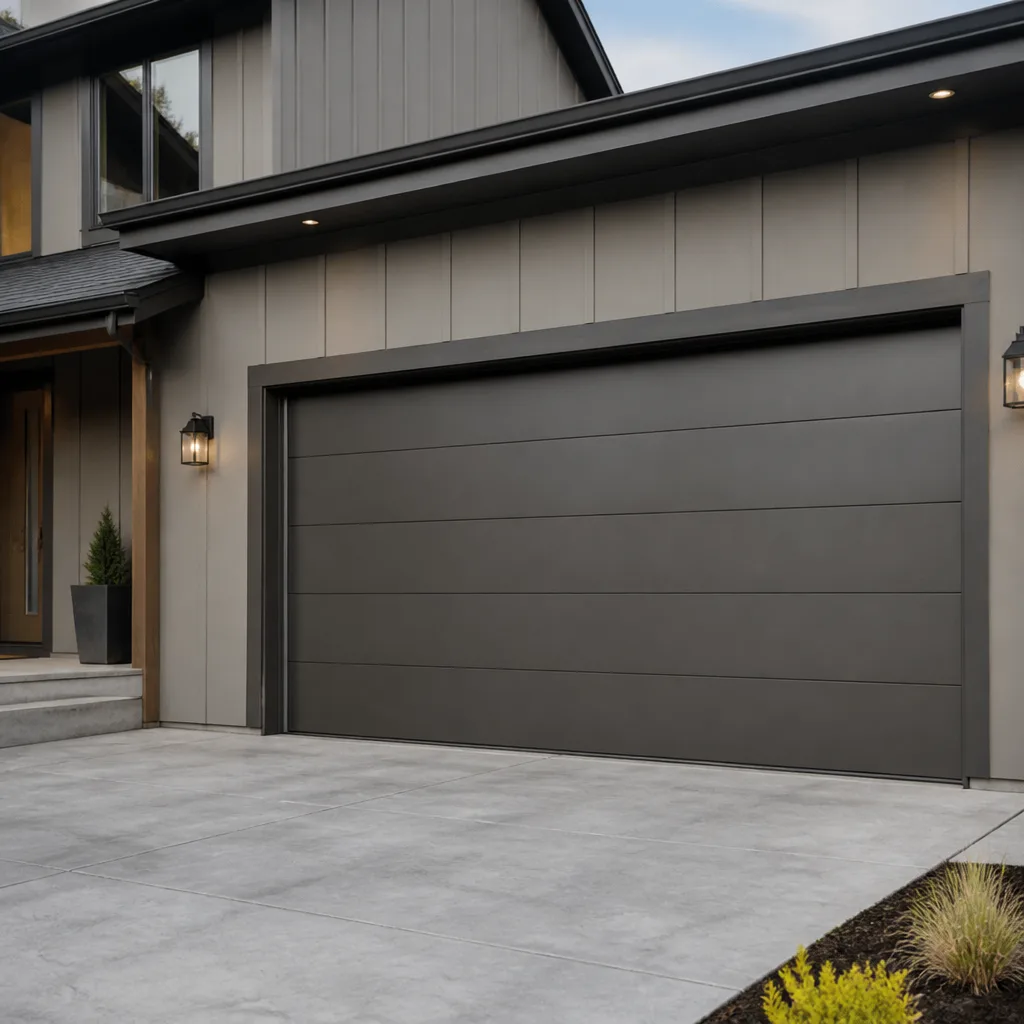 Modern flush
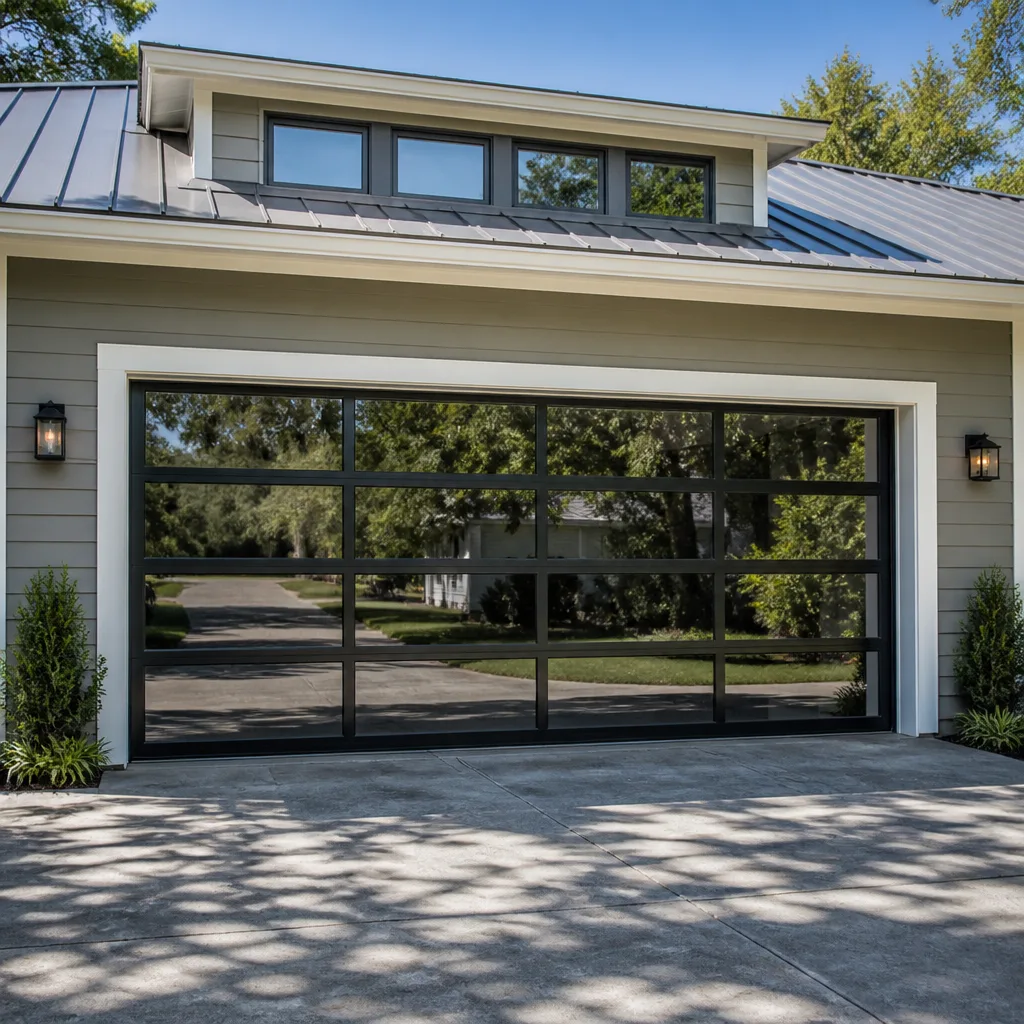 Full-view glass
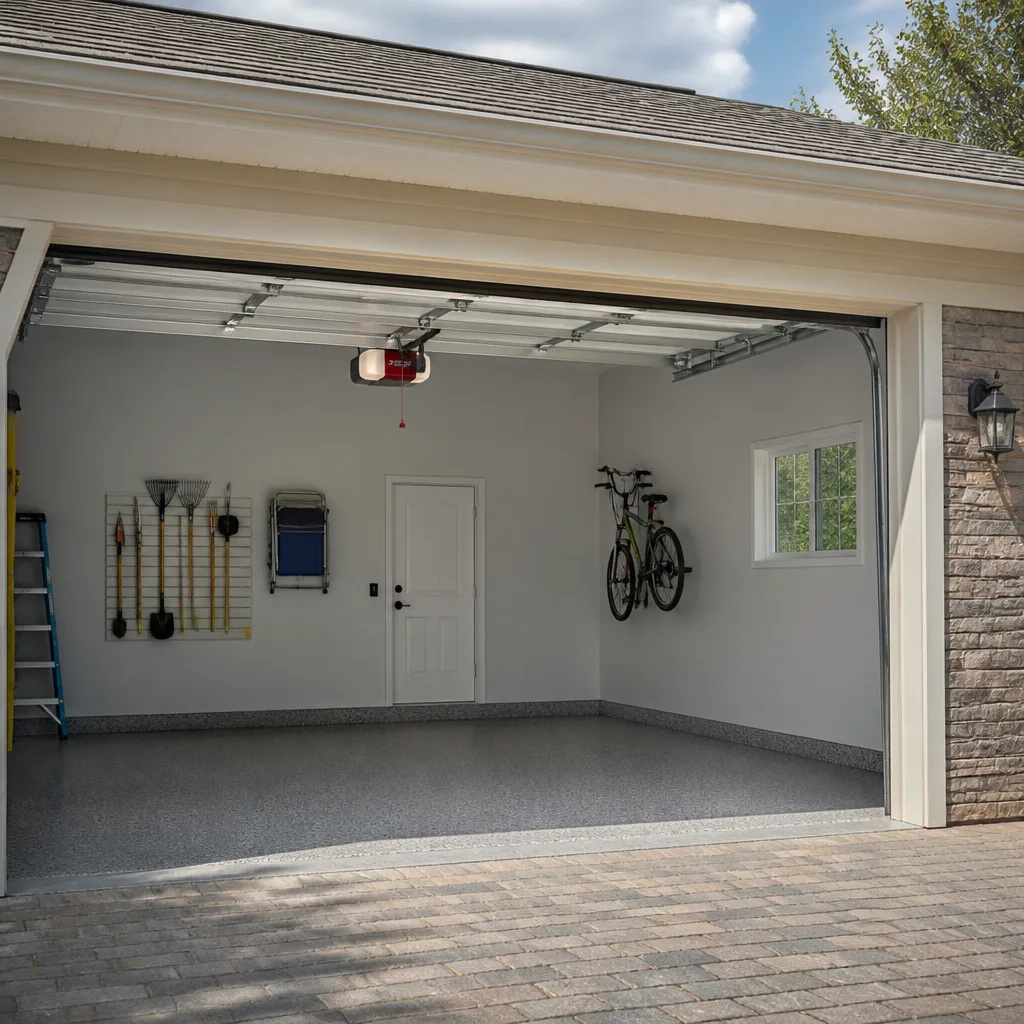 LiftMaster openers
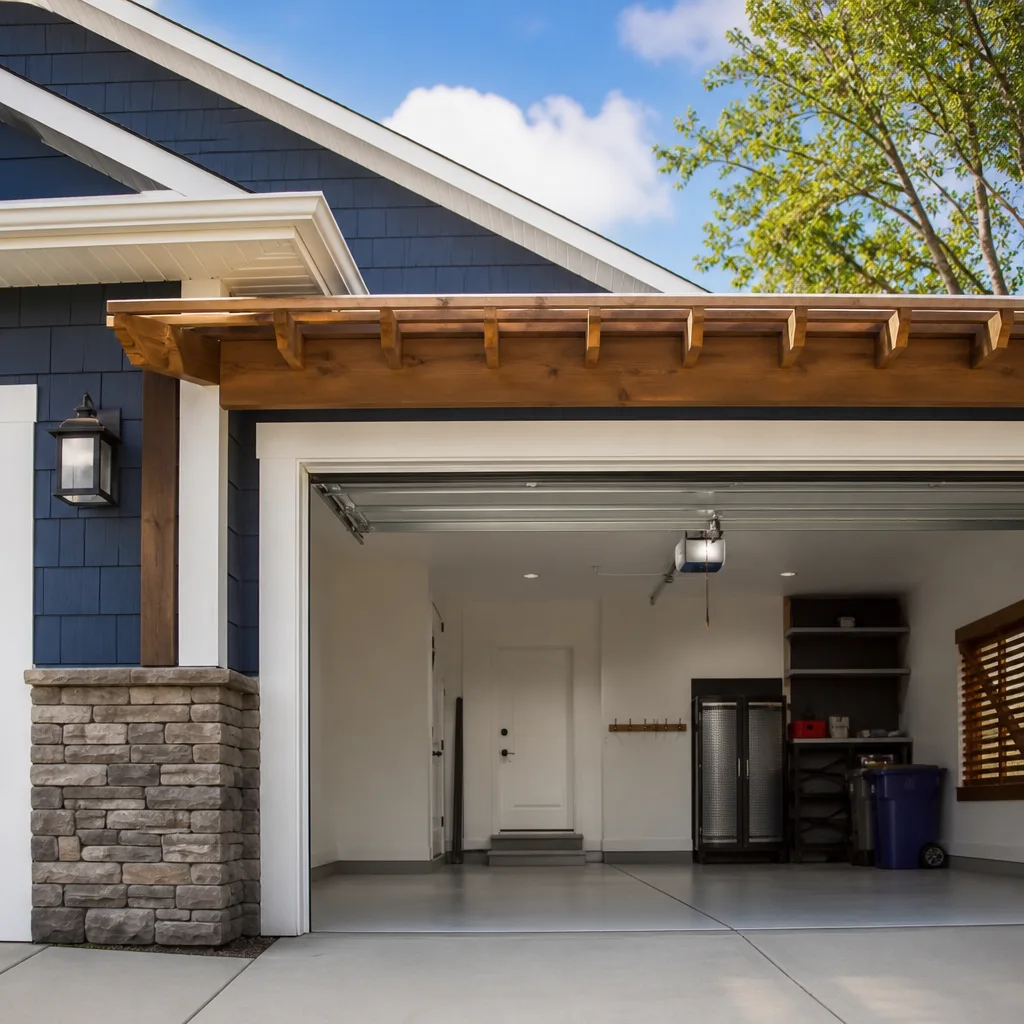 Chamberlain openers
Full 25-point door and opener safety check with every visit - springs, cables, rollers, tracks, and your LiftMaster or Chamberlain opener included
You get a price before we start. It does not change when the truck arrives.
Get your free estimateDIY vs Professional Garage Door: The Huntington Beach Homeowner’s Decision Guide
The spring above your garage door is wound tight enough to lift roughly 150 to 250 pounds of dead weight every single cycle. That stored energy doesn’t care how handy you are, how many YouTube videos you’ve watched, or whether the hardware store sold you the right wrench. When a torsion spring lets go under tension, it releases in a fraction of a second, and the result can be a cracked garage wall, a shattered car window, or a trip to the emergency room. Huntington Beach homeowners ask us this question constantly: can I fix this myself? The honest answer depends on which part of the door we’re talking about. Some tasks genuinely are weekend DIY material. Others should never be touched without proper training and tools. This guide breaks down the line between the two, task by task, so you can make the call with your eyes open.
Styles & brands we work with
Quick Answer
Most garage door maintenance and minor adjustments are safe for a careful Huntington Beach homeowner to DIY: lubrication, sensor realignment, weatherstripping replacement, and remote reprogramming. Spring replacement, cable work, and track repair are not DIY tasks under any circumstances because the stored mechanical energy in these components can cause serious injury. The practical rule is this: if the component is under tension or bears the door’s weight, call a professional; if it’s a bolt-on, non-load-bearing part, you can usually handle it yourself.
Table of Contents
- Risk Classification: Green, Yellow, and Red Door Tasks
- What “DIY-Able” Actually Means in Huntington Beach
- The Hidden Cost of a Failed DIY Attempt
- California Legal Considerations and HB HOA Rules
- Opener Repair: The Task Homeowners Misjudge Most
- How to Prepare for a Professional Visit
- Common Mistakes to Avoid
- When to Call a Professional
- Frequently Asked Questions
- The Bottom Line
Risk Classification: Green, Yellow, and Red Door Tasks
Every garage door task falls into one of three categories. The distinction isn’t about how mechanically confident you are. It’s about what happens to the person holding the wrench when something goes wrong. A stripped screw on a green task means a trip to the hardware store. A stripped winding cone on a red task means a trip to the ER. Here’s the breakdown.
Green: Safe DIY with Basic Tools
These tasks involve components that are not under tension and do not bear the weight of the door. If you can operate a socket wrench and read a label, you can handle these.
- Lubrication: White lithium grease on the track rollers and hinges, silicone spray on the torsion springs, and a light oil on the opener chain. Do this twice a year in Huntington Beach, where salt air accelerates metal wear.
- Sensor realignment: The photo-eye sensors on either side of the door track occasionally get knocked out of alignment. When the opener light blinks and the door won’t close, check whether both sensor LED lights are solid. Loosen the wing nut, adjust the angle, retighten. Five minutes, zero risk.
- Weatherstripping replacement: The rubber strip along the bottom of the door wears out every few years, faster in coastal sun. You can order a replacement seal, slide out the old one, and slide in the new. No tension involved.
- Remote and keypad reprogramming: Every opener brand from Chamberlain to Genie has a Learn button on the motor head. Press it, press the remote button, done. The manual is online if you lost it.
Yellow: Doable with Specific Knowledge and Preparation
Yellow tasks involve some risk or complexity, but they’re within reach if you understand exactly what you’re doing before you start. The key word is before. If your plan is to figure it out as you go, move this task straight to red.
- Roller replacement: The rollers that guide the door up the track wear out and get noisy. You can replace them, but the bottom rollers on a torsion spring door are attached to brackets under tension. You need to know how to safely brace the door and which rollers to replace without unbolting the wrong bracket.
- Hinge replacement: Broken hinges are straightforward bolt-on parts, but you need to order the correct gauge for your door weight. Match the number stamped on the old hinge rather than guessing by appearance.
- Track cleaning and minor adjustment: You can clean and lubricate tracks yourself. You should not attempt to bend or reposition a track that’s out of alignment, because that usually means the door’s balance has shifted and you’d be sidestepping the actual problem.
Red: Professional-Only Regardless of Skill
Red tasks involve stored kinetic energy, load-bearing components, or a failure mode that happens too fast to react to. In our experience, these are the repairs where we’re most often called to fix a bad DIY outcome.
- Torsion spring replacement and adjustment: The spring above the door is wound to a specific torque level matched to the door’s weight. Releasing that torque without a proper winding bar setup is how people lose fingers, break arms, and worse. A fully wound residential torsion spring holds several hundred foot-pounds of torque. This is not hyperbole. This is physics.
- Extension spring replacement: Extension springs run alongside the horizontal track and stretch under load. If one snaps while you’re replacing it, the broken end becomes a projectile. A safety cable inside the spring is the only thing stopping it from hitting you, and DIY replacements often skip this critical component.
- Cable replacement: The lift cables that run through the spring system carry the door’s full weight when it’s in motion. The bottom brackets they attach to are also under tension. A cable that slips while you’re working on it means a door that slams down or a bracket that snaps off at speed.
- Track repair and panel replacement: A track that’s bent from a car bump or a panel that’s dented changes how the door travels and balances. Replacing either requires releasing tension from the spring system, which moves this task into professional territory immediately.
The line between green and red is not your skill. It’s whether the part stores energy. Garage Door Repair in Huntington Beach means knowing exactly where that line sits.
What “DIY-Able” Actually Means in Huntington Beach
When we say a task is safe to DIY, we mean you can complete it correctly with tools you probably already own and parts you can source without guesswork. The difference between a successful DIY repair and a frustrating weekend usually comes down to one thing: ordering the right part the first time.
Garage doors are not one-size-fits-all. A Clopay steel door and an Amarr wood-composite door of identical width and height can require entirely different spring wire gauges, hinge thicknesses, and roller designs. The door’s weight is the critical variable. A 16×7 foot insulated door can weigh 50 pounds more than an uninsulated door of the same dimensions. If you order a torsion spring rated for a 150-pound door and yours weighs 200 pounds, the spring will fail prematurely and the door will never balance correctly.
Here’s how to verify you’re ordering the correct specification:
- Find the door’s data sticker. Most garage doors have a manufacturer label on the interior side of a side rail or bottom panel. It lists the model, door dimensions, and sometimes the door weight. Write this down before you order anything.
- Match the part by brand and stamp. If the hinge is stamped with a number, match that number exactly. A Clopay door takes Clopay-matched hardware geometry. Guessing by eye is how the wrong-radius hinge ends up on the wrong panel.
- Weigh the door if the sticker is gone. You can disconnect the opener and lower the door onto a bathroom scale. This gives you the actual weight, which matters for rollers and springs.
- Buy from a garage-door-specific supplier. In Huntington Beach, local options are limited, so most homeowners order from online specialty retailers. Look for suppliers that ask for your door’s brand, model, and weight before they quote a part. That question is the sign of a supplier that knows what they’re doing.
For green-level parts like weatherstripping, remotes, and lubricants, the big-box hardware stores in Huntington Beach carry workable options. For yellow-level parts like rollers and hinges, order from a garage-door-specific source so you don’t end up with a generic part that wears out in a year. The Driveway Garage Door Repair home approach to any repair starts with identifying the exact system you have, because the right parts for your specific system are never the wrong parts.
The Hidden Cost of a Failed DIY Attempt
The most expensive garage door repair we see is rarely the first one. It’s the second one, the one that comes after a well-intentioned DIY attempt went wrong. And the pattern is consistent enough that Huntington Beach homeowners should understand it before they pick up a wrench.
When a tension-loaded part releases unexpectedly, it doesn’t release into a vacuum. It releases into the other components around it. A torsion spring that unwinds uncontrolled can bend the shaft, strip the winding cones, and warp the cable drums. A door that slams down after a cable slips can crack a bottom panel, shatter the rollers, and bend the track. The original repair might have been a $200 spring replacement. The post-DIY repair is now a $600 job involving three components instead of one.
That’s the financial math. The personal-safety math is harder to quantify, but the outcomes are worse. Torsion spring injuries are a recognized injury category in emergency medicine. Winding bars that slip out of the adjustment cone become high-velocity projectiles. Hands placed in the wrong position get caught between the bar and the door. A spring under full tension has no reverse gear and no second chance.
The other hidden cost is time. A professional technician diagnoses a garage door problem in about 20 minutes because they’ve seen the same failure mode hundreds of times across every major brand from Clopay and Amarr to Chamberlain and Genie openers. A homeowner spends a Saturday on diagnosis, a Sunday on the attempted repair, and a Monday on the phone scheduling the professional who should have been called on Friday. Your time in Huntington Beach is worth more than that, especially when the surf is good.
If you’re weighing a DIY repair because you want to save money, the honest answer for yellow and red tasks is that you probably won’t. Garage Door Opener Repair in Huntington Beach and spring work become more expensive, not less, after a failed attempt.
California Legal Considerations and HB HOA Rules
Homeowners in Huntington Beach can legally perform garage door repairs on their own property. California does not require a license for a homeowner working on their own residence. That’s the straightforward part. The nuance comes in two layers: structural permits and community restrictions.
On the permit side, most garage door repairs and replacements do not require a building permit. Replacing a spring, swapping an opener, or changing out panels is classified as routine maintenance. The exception is structural modification. If your DIY project involves cutting into the garage header, altering the opening size, or changing the load-bearing structure above the door, you’re now in California Building Code territory and a permit is required. This matters more for full installation projects than for repairs, but it’s a line worth knowing before you modify anything load-bearing.
The second layer is HOA and community rules, and they matter in Huntington Beach more than most people expect. Several planned communities in HB have architectural review committees that restrict visible exterior modifications. If your garage door faces the street and you’re planning to paint it a different color, install a door with a different panel style, or switch from a standard door to something with windows, check your CC&Rs first. A door that violates an approved exterior palette can trigger a compliance notice and a demand to replace it, which turns a weekend DIY upgrade into a very expensive do-over.
If you’re renting in Huntington Beach, the calculation changes entirely. Tenants should never attempt even green-level garage door repairs without written landlord approval. The liability sits with you if something goes wrong, and your lease likely assigns maintenance responsibility to the property owner. Call your landlord or property manager first. For property managers overseeing multiple Huntington Beach units, the smart play is to keep Garage Door Installation in Huntington Beach and repair handled by a professional so no tenant is ever put in the position of guessing.
The practical takeaway: your right to DIY your own garage door is real, but it comes with neighbor-visible consequences in HB that don’t exist in unincorporated areas. Know your community’s rules before you change what the street sees.
Opener Repair: The Task Homeowners Misjudge Most
We’ve noticed something in Huntington Beach over the years: homeowners who would never touch a torsion spring will confidently disassemble a garage door opener, and they do it with more confidence than the situation warrants. Openers look friendlier than springs. They’re electric, not mechanical. They have circuit boards and buttons. How dangerous can they be?
The honest answer is that openers are less dangerous than springs, but they’re far more dangerous than homeowners expect, and they’re more complex to repair than they look. The opener’s motor is not the only thing inside that housing. There’s a capacitor that can hold a charge even after the unit is unplugged, gear assemblies that need precise alignment, and a force adjustment that determines whether the door stops when it hits a child’s bike or keeps going. A misadjusted force setting is not a performance issue. It’s a safety issue.
What you can DIY on an opener is straightforward: reprogramming remotes, replacing remote batteries, adjusting the travel limits slightly, and replacing the light bulbs. What you should not DIY is trickier. If the opener is making a grinding noise, the drive gear inside the housing is stripping and needs replacement. If the opener opens but won’t close, the logic board or the sensor circuit has failed. If the opener opens the door halfway and stops, the force settings are out of calibration and adjusting them wrong creates a door that won’t reverse on obstruction.
Opener repair is the most common garage door problem in Huntington Beach, and it’s one of the most disruptive. A door that won’t open traps the car inside. A door that won’t close leaves the garage and everything in it exposed. The failure always seems to happen on the morning you’re running late or the night before a trip. Our technicians treat opener repair as its own discipline because opener brands from Chamberlain to Genie have specific diagnostic patterns that generalist repair people don’t see often enough to recognize quickly.
If your opener is more than a few years old and failing, the calculation shifts toward replacement. A new opener with modern safety features and a quiet motor is often cheaper than repairing a failing logic board on an aging unit, and installation is measured in hours, not days. We can quote both options so you’re deciding with real numbers, not guesses.
How to Prepare for a Professional Visit
When a professional technician comes to your Huntington Beach home, the quality of the quote and the speed of the repair both improve when the homeowner has done 15 minutes of prep. Some of this saves the technician time. Some of it saves you money. All of it is straightforward.
- Document the symptoms precisely. Write down what the door does and when it does it. Does it open but not close? Is the noise a grinding sound or a scraping sound? Does it happen every time or only in the morning when it’s cold? The specific pattern shortens diagnosis considerably.
- Measure the door. Width and height, measured across the outside edges of the door itself, not the opening. A 16-foot-wide door and a 16-foot opening are different measurements. The technician needs the door dimensions.
- Photograph the brand labels. Every garage door and opener has a data sticker or label. Take clear photos of the labels on the door, the opener motor head, and the spring assembly. These tell the technician which brands they’re working with before they arrive, which means they can arrive with the correct parts for your Clopay, Amarr, Genie, or Chamberlain system on the truck.
- Photograph the problem area. If a cable is fraying, a panel is dented, or a spring is broken, take a picture. A good photo beats a verbal description every time.
- Clear the area around the door. Move cars, bikes, sports equipment, and anything else out of the path of the door and at least six feet into the garage. A clear workspace speeds up the repair and prevents accidental damage to your belongings.
- List any previous work done on the door. If springs were replaced three years ago, if a panel was swapped after a vehicle strike, if the opener is actually older than the door, say so. The repair history changes the diagnostic picture.
This kind of prep is not required, and we’ll do the diagnosis regardless. But when a Huntington Beach homeowner has done these steps, the quote is more accurate on the first call and the repair happens faster on the day of service. The price you’re quoted is the price you pay before any work starts, so an accurate quote up front means fewer surprises later.
Common Mistakes to Avoid
- Using the wrong spring size because “it looked close.” Torsion springs are wound to a precise torque for your door’s specific weight. A spring that’s one wire gauge off will either fail in months or never balance the door correctly. Match the spring spec exactly or don’t touch it.
- Using WD-40 as a garage door lubricant. WD-40 is a solvent and water displacer, not a lubricant. It removes existing grease and then evaporates, leaving metal parts drier than before. Use white lithium grease on rollers and silicone spray on springs and hinges.
- Disconnecting the opener while the door is up. If you pull the emergency release cord while the door is open, the door may slam down if the springs are weak or a cable has slipped. Lower the door first or have support in place before pulling that cord.
- Adjusting torsion spring tension without winding bars. This is the mistake that leads to the worst injuries. Screwdrivers, pry bars, and sockets are not winding bar substitutes. They slip, the spring releases, and whatever is in the path gets hit. There’s no safe improvisation here.
- Painting weatherstripping or track surfaces because they look worn. Paint on the track changes the friction profile and can cause the door to bind. Paint on the rubber seal makes it stiff and brittle. Replace the weatherstripping instead of painting it, and clean tracks with solvent rather than coating them.
- Ignoring a door that’s getting slower or noisier over months. A garage door that gradually slows down or grows louder is warning you that something is wearing out. In Huntington Beach’s salt air, that wear happens faster than it does inland. Addressing the small repair when it’s still small costs less than waiting for the failure.
- Replacing only the visibly broken component. A snapped cable is often a symptom of a worn spring or a misaligned track, not the root cause. Fixing the cable without addressing the cause means the new cable fails the same way. Professionals diagnose the system, not just the broken part.
When to Call a Professional
Pick up the phone when the component that’s broken is under tension or bearing the door’s weight. That means torsion springs, extension springs, lift cables, bottom brackets, and track repairs. Pick up the phone when the door won’t open and your car is trapped inside. Pick up the phone when you’ve already tried a DIY fix and the door is worse than it was before you started, because now you’re working with a compounded problem. And pick up the phone when you’re not sure which category a task falls into. A two-minute conversation costs nothing and tells you whether you’re looking at a green, yellow, or red job. Driveway Garage Door Repair offers free estimates in Huntington Beach. Call (866) 253-0630 and describe what the door is doing. We’ll tell you honestly whether it’s a weekend project or a professional repair, and we’ll stand behind that answer.
Frequently Asked Questions
Garage door spring replacement in Huntington Beach typically costs between $180 and $340 for a pair of torsion springs, including parts and labor. The exact price depends on your door’s weight, the spring wire gauge required, and how many spring cycles the replacement pair is rated for. The price is quoted and agreed before any work starts. Call (866) 253-0630 for an exact quote on your specific door.
No, you should not attempt to replace a garage door spring yourself. Torsion springs hold several hundred foot-pounds of stored torque, and releasing that tension without the correct winding bars and training causes serious injury in documented cases every year. This is the one garage door repair where the risk is not proportional to the money saved. A professional replacement costs less than an emergency room visit.
Yes, California law permits homeowners to perform garage door repairs on their own property without a contractor’s license. However, structural changes to the garage opening require a building permit, and several Huntington Beach HOAs restrict visible exterior changes like new door styles or colors. Check your CC&Rs before modifying anything the street can see.
Lubricate the rollers, hinges, and springs twice a year using white lithium grease and silicone spray rather than WD-40. Check that the photo-eye sensors are aligned and both LEDs are lit. Inspect the weatherstripping and replace it when it’s cracked or brittle. Test the auto-reverse feature monthly by placing a roll of paper towels under the closing door and confirming it reverses on contact. These tasks are safe and extend the door’s life in Huntington Beach’s coastal climate.
Intermittent opener operation in Huntington Beach is usually caused by one of three things: misaligned photo-eye sensors, a failing logic board inside the opener motor head, or a remote battery that’s dying. Check the sensor LEDs first. If both are solid and the problem persists, the issue is likely internal to the opener, and opener repair is a task better handled by someone who works on Chamberlain and Genie units regularly.
A standard torsion spring is rated for about 10,000 cycles, which translates to roughly 7 to 10 years for a typical Huntington Beach household that opens and closes the door three to four times daily. Coastal humidity and salt air can reduce that lifespan slightly. If your springs are more than 8 years old and the door is getting harder to lift manually, the springs are nearing the end of their cycle life and should be replaced before they snap under load.
The Bottom Line
Your garage door is a mechanical system that stores enough energy to lift hundreds of pounds thousands of times, and it does that work a few feet from where your family parks the car. For more guides & resources on keeping it safe and functional, explore our blog. Some parts of that system are safe for a Huntington Beach homeowner to touch: lubrication, sensor alignment, weatherstripping, and remote programming. Some parts are not: springs, cables, tracks, and load-bearing brackets. The difference comes down to stored energy, not skill level. When in doubt, the two-minute phone call is free. When the part is under tension, the professional is the smart choice. That’s not a sales pitch. That’s the answer to the question you came here with.
Written by the team at Driveway Garage Door Repair, serving Huntington Beach since 2015.
See the difference
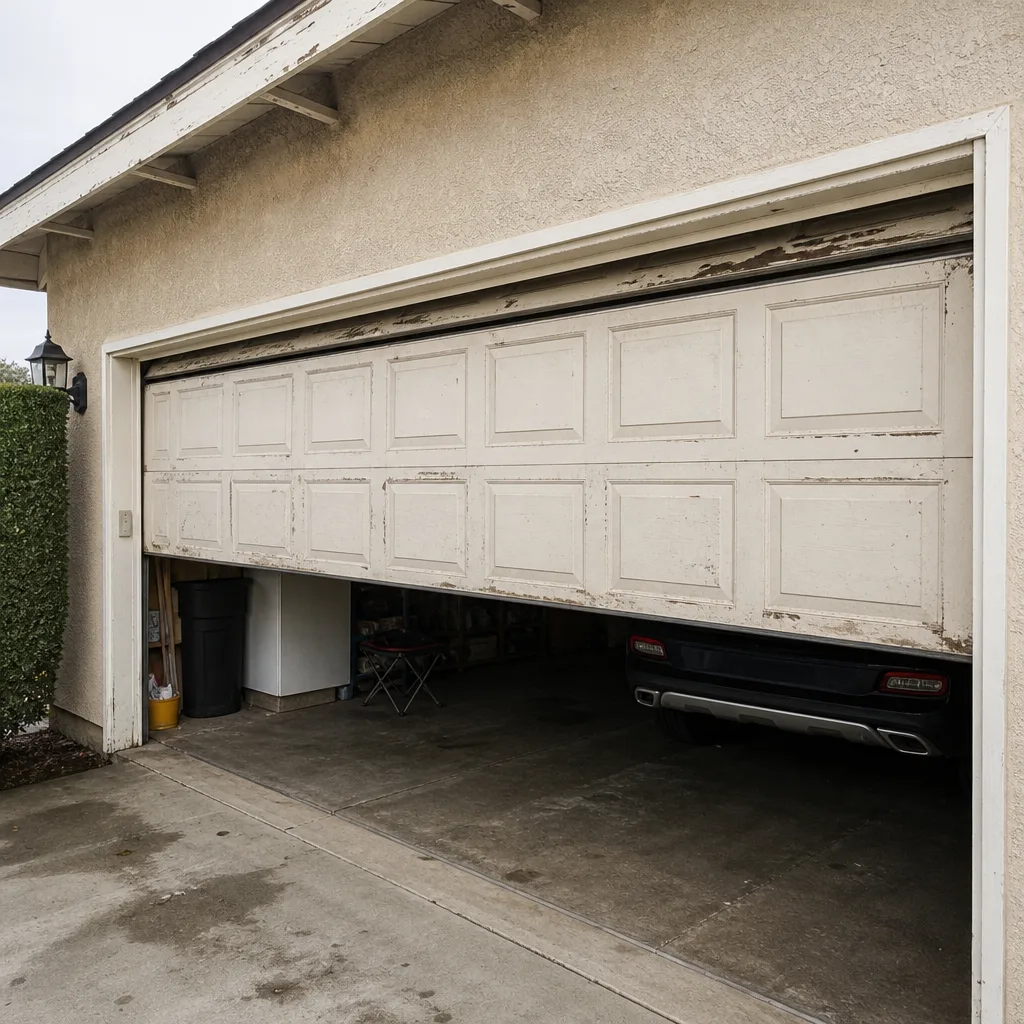 Before
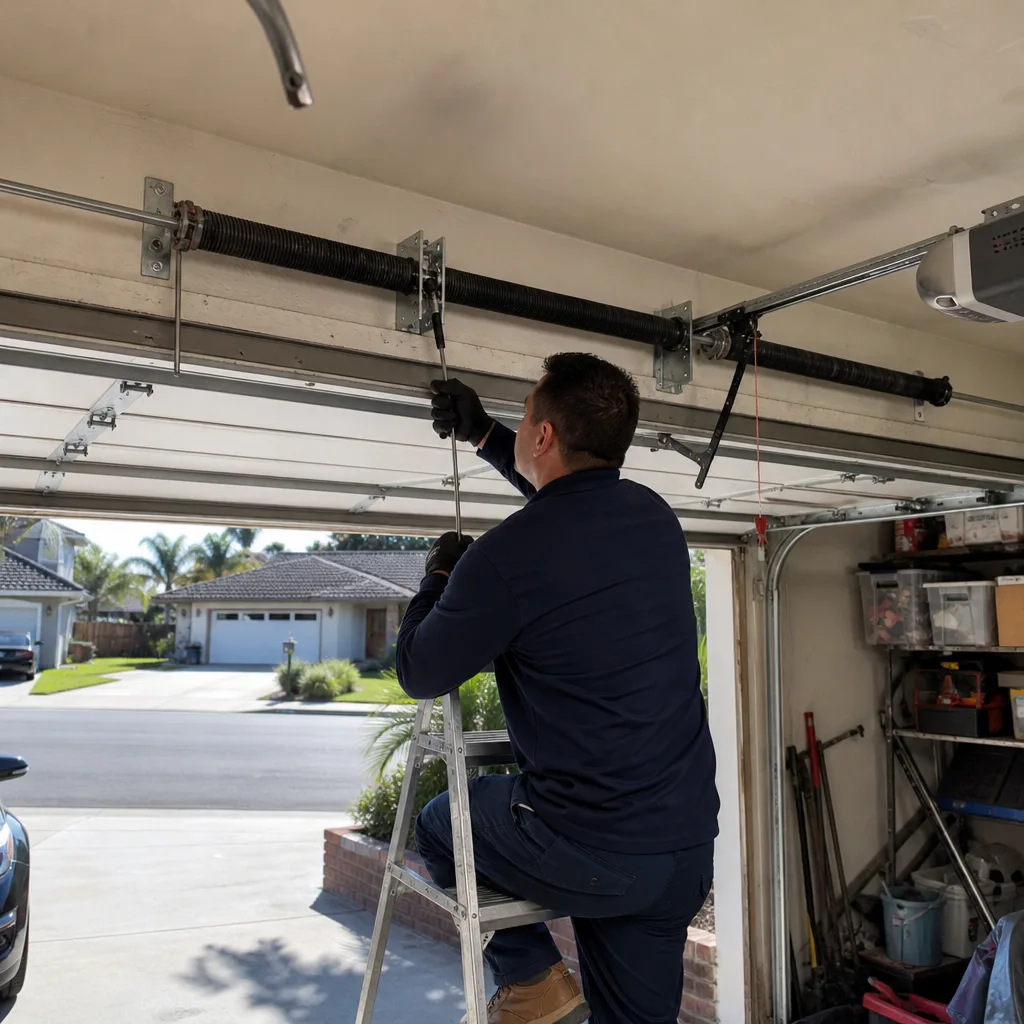 After
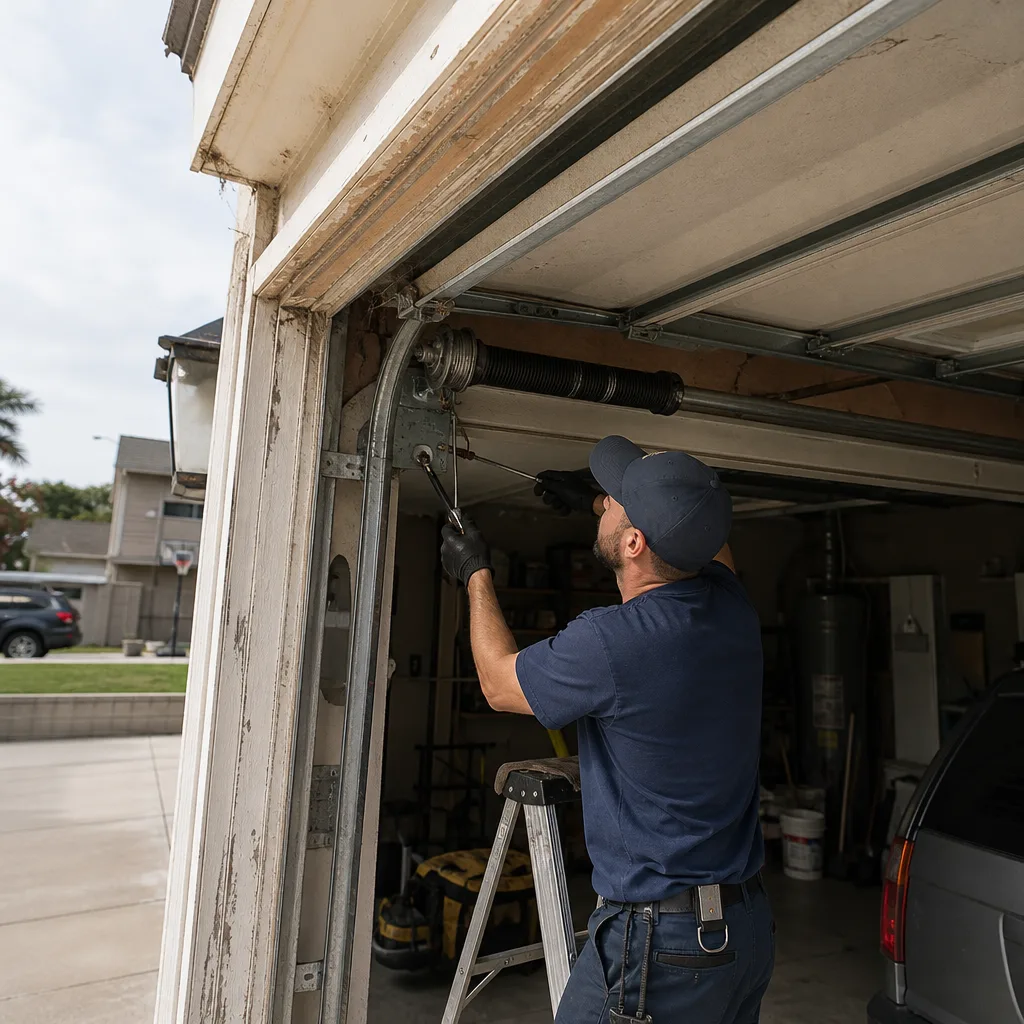 Before
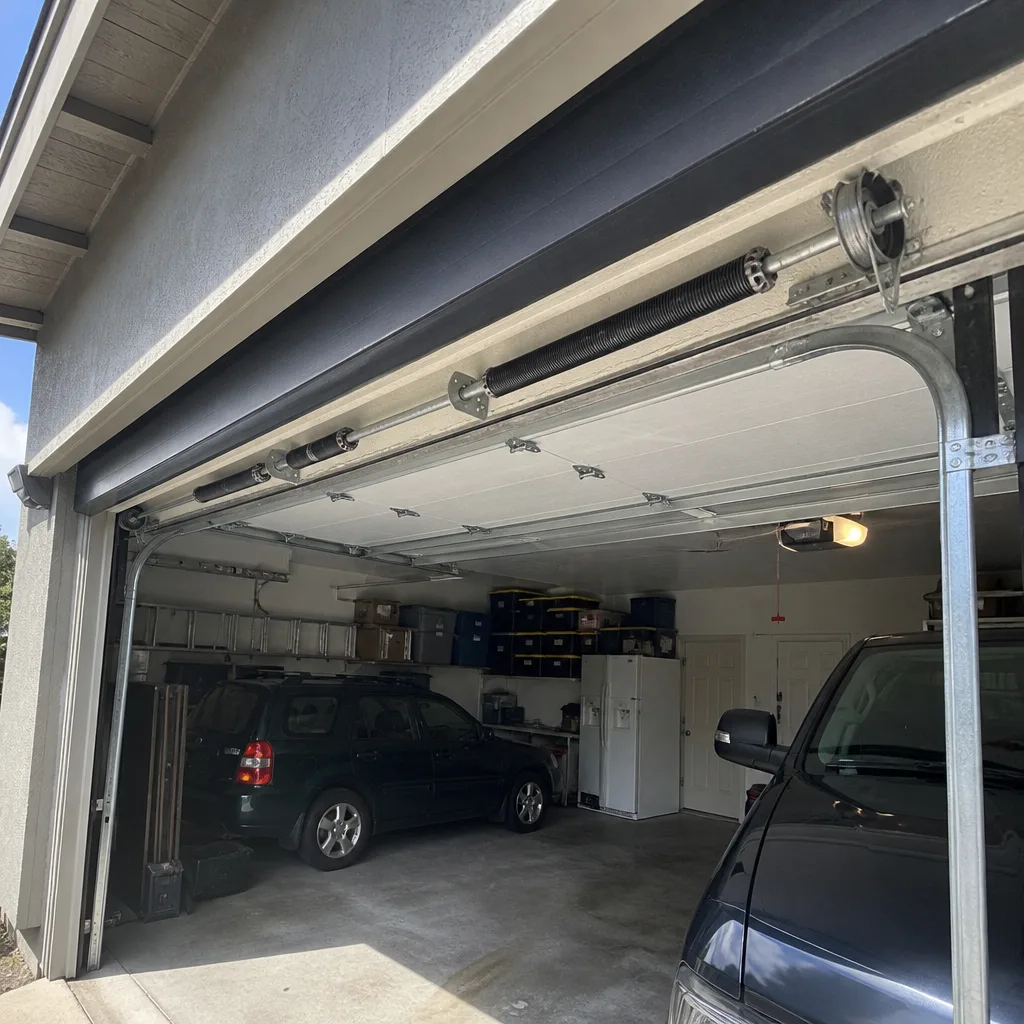 After
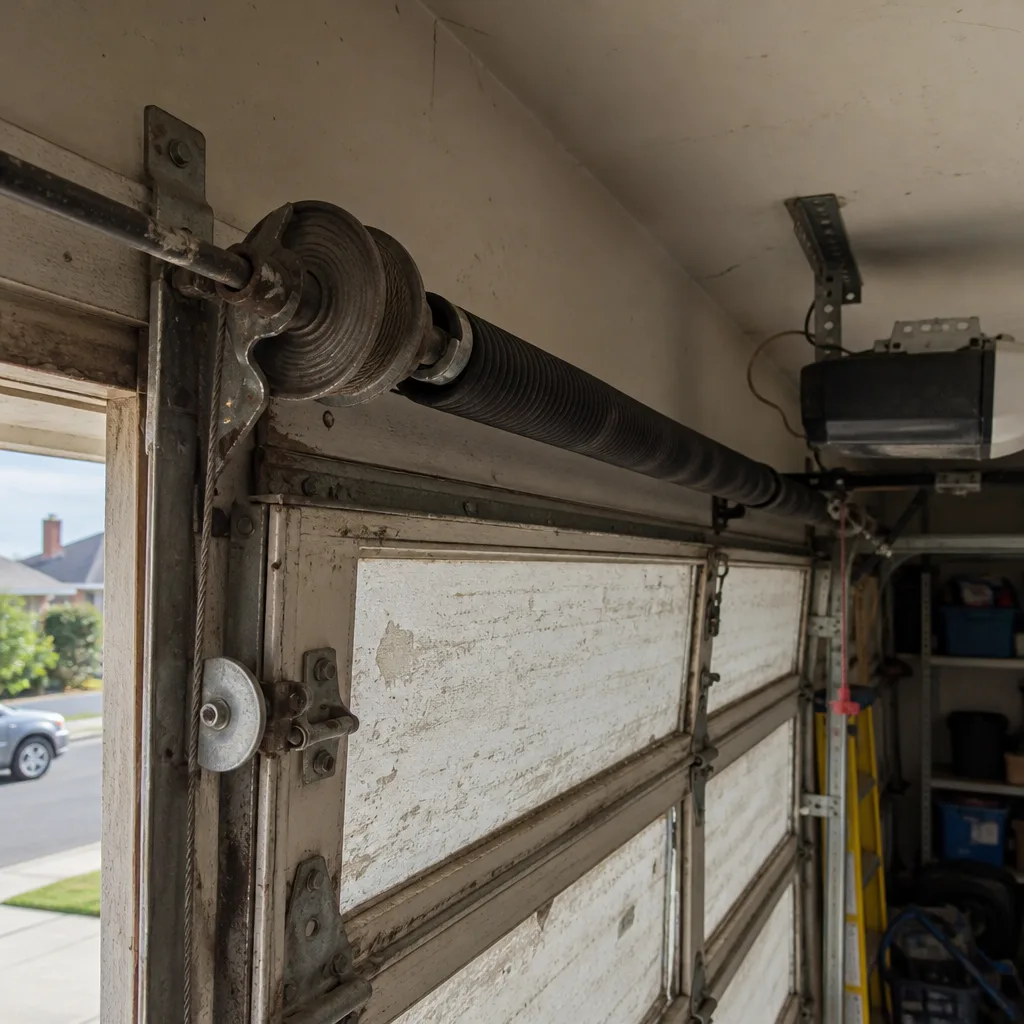 Before
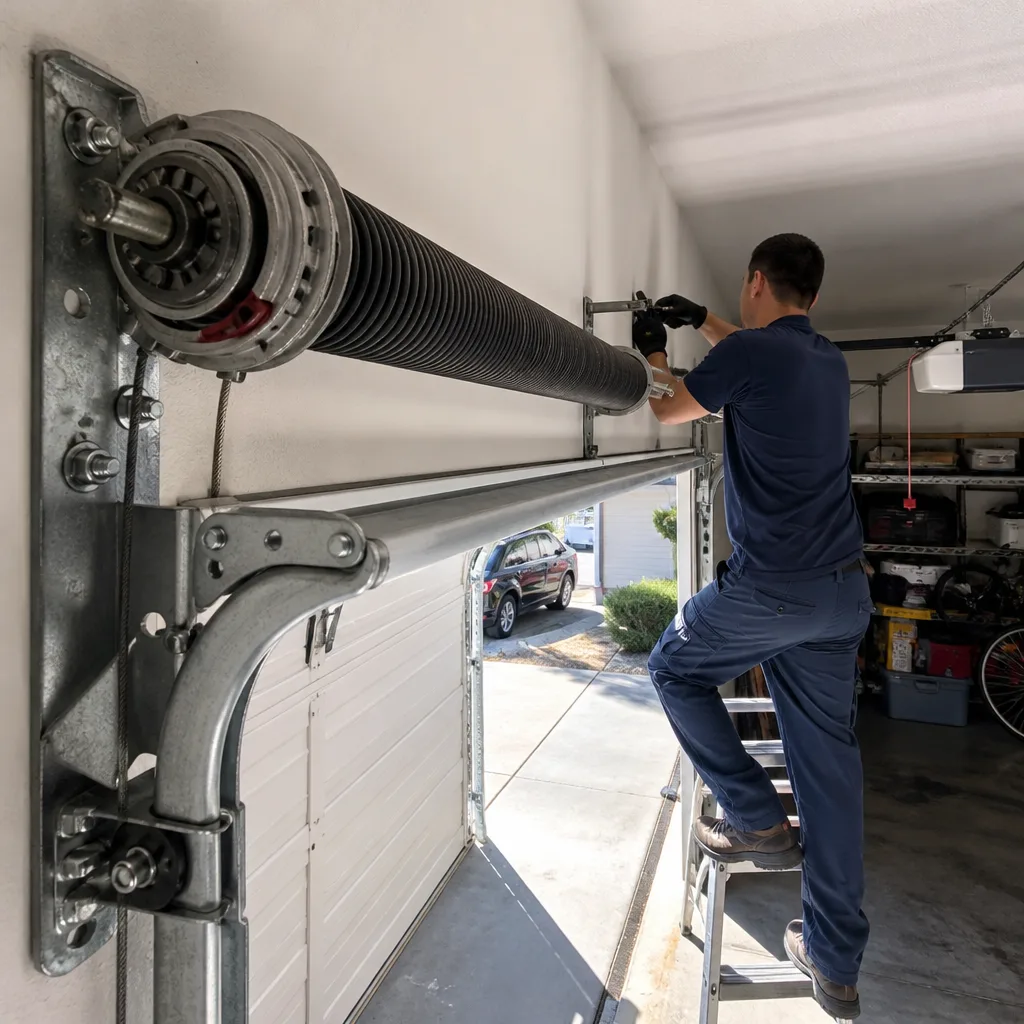 After