Last updated October 31, 2026
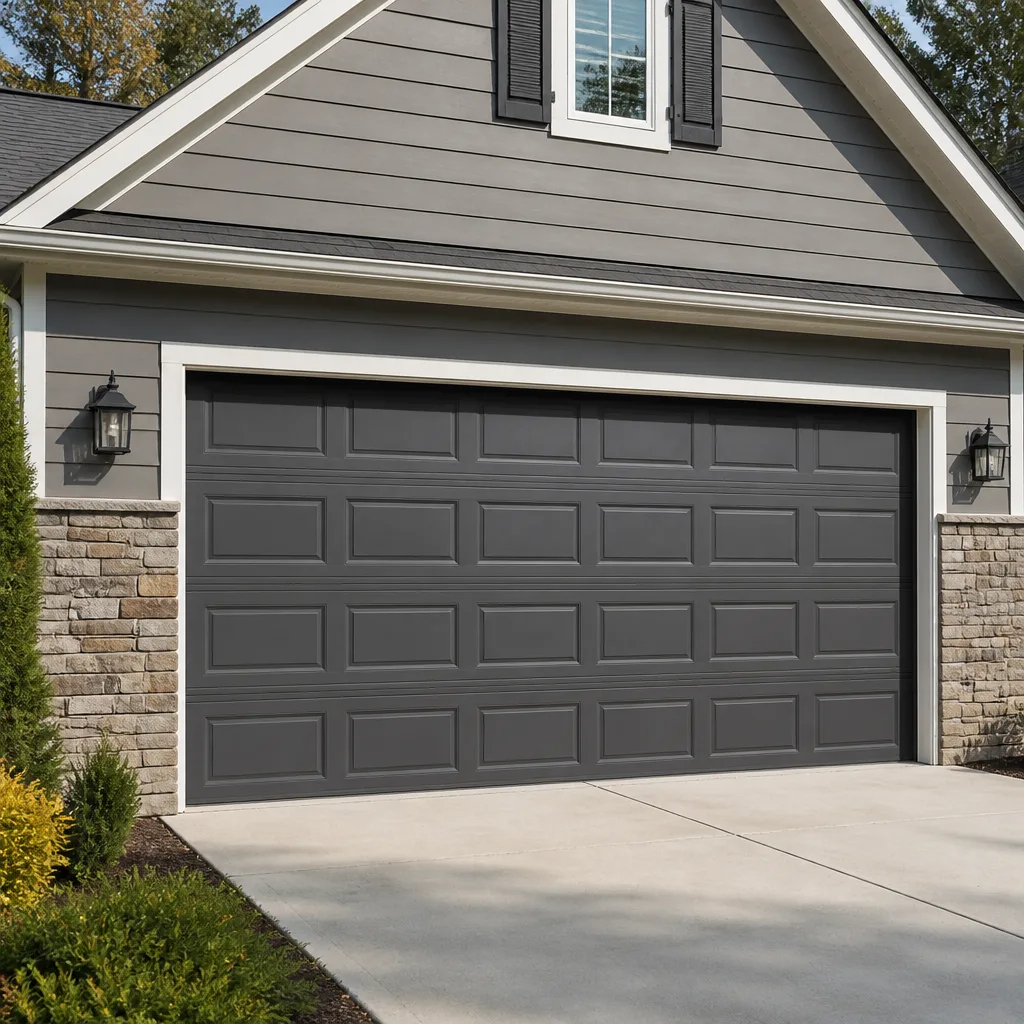 Raised-panel steel
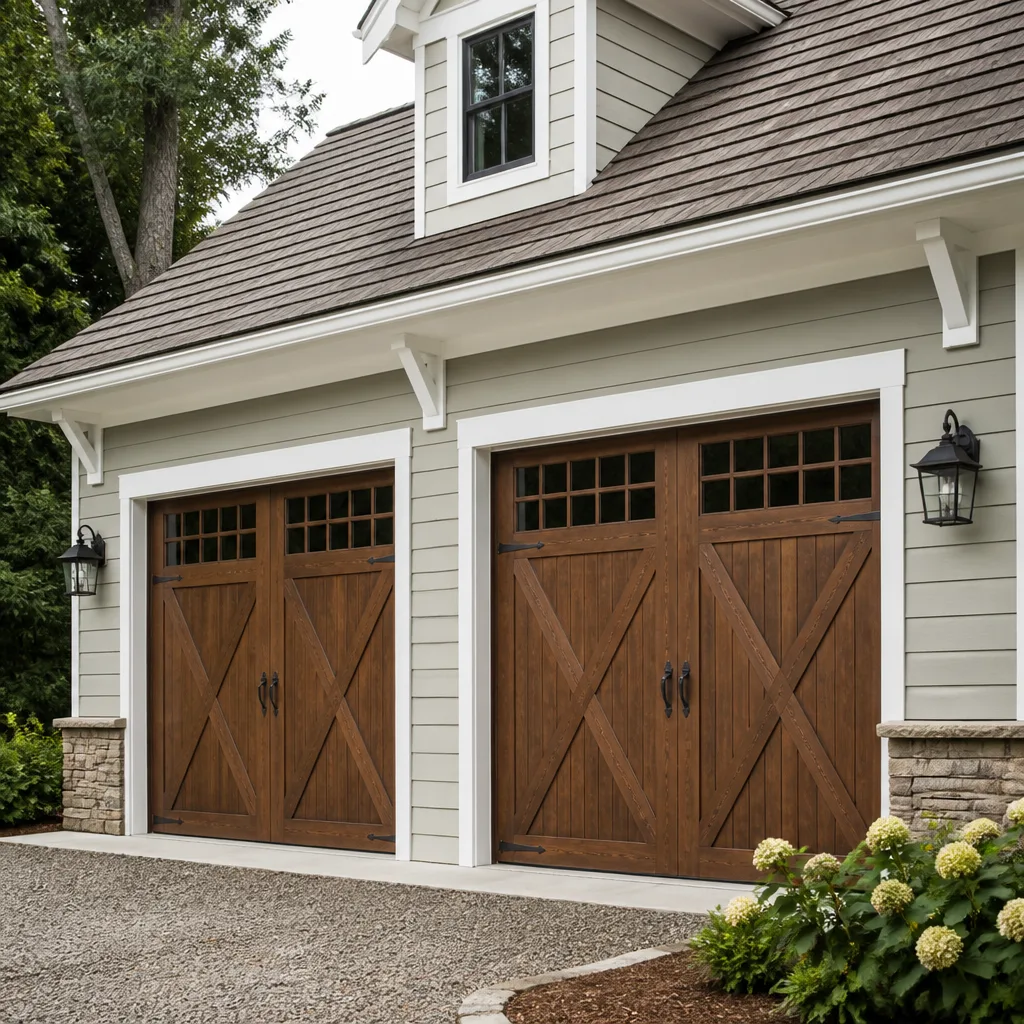 Carriage house
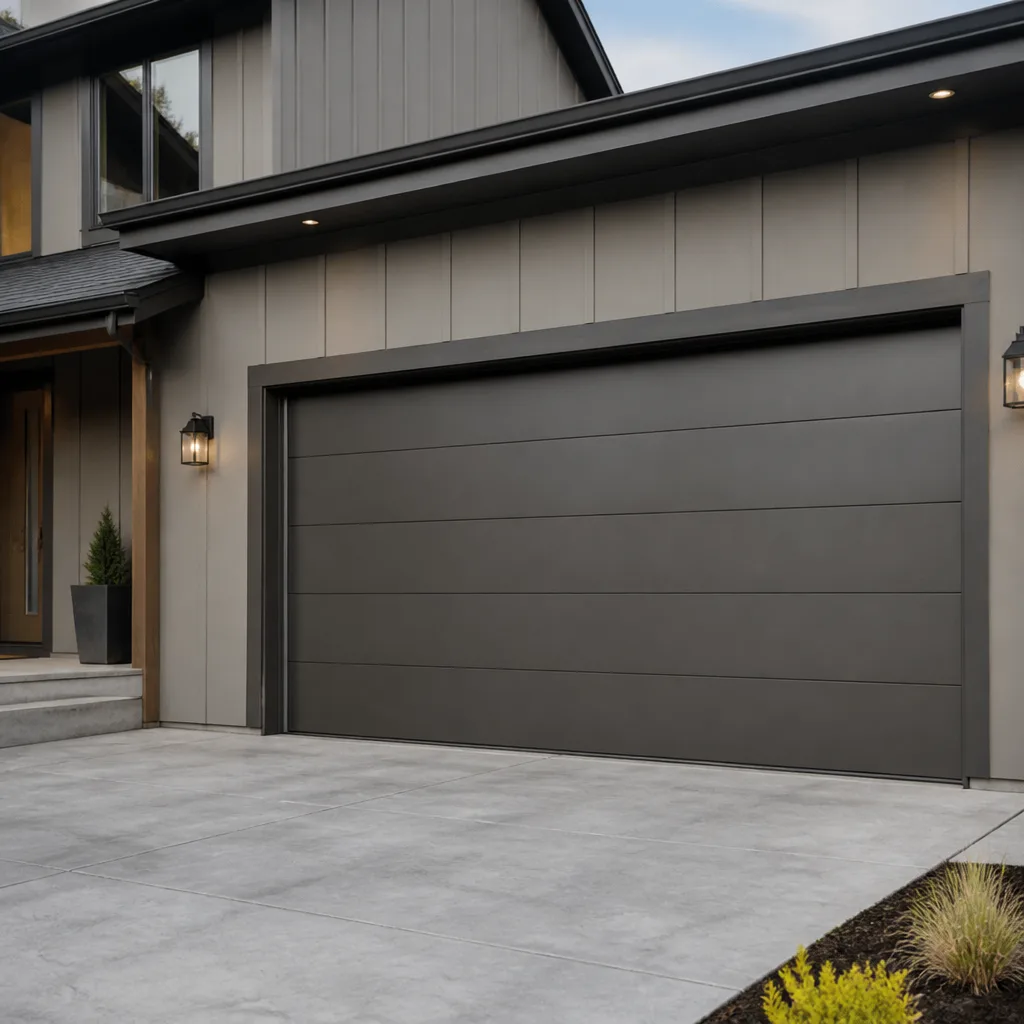 Modern flush
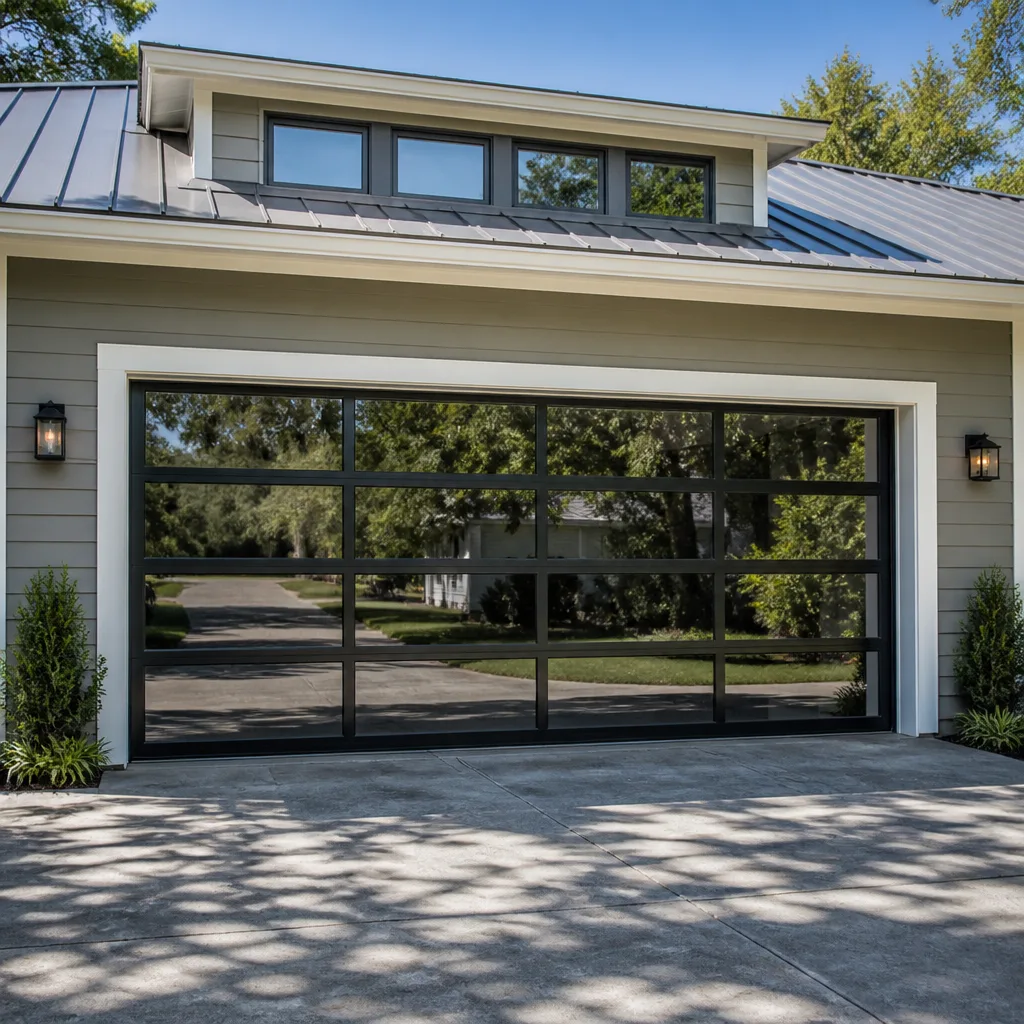 Full-view glass
 LiftMaster openers
 Chamberlain openers
Full 25-point door and opener safety check with every visit - springs, cables, rollers, tracks, and your LiftMaster or Chamberlain opener included
You get a price before we start. It does not change when the truck arrives.
Get your free estimateGarage Door Warning Signs: A Huntington Beach Homeowner’s Reference Guide
Here’s something that surprises most Huntington Beach homeowners: roughly 40% of garage doors that reverse before fully closing aren’t having a sensor problem at all. The culprit is spring tension. And here’s the part that costs people real money: a door that labors on the way up but glides down fine points to a different repair than one that struggles in both directions. Misread that signal and you might pay to replace a perfectly good opener when the springs were failing all along. This guide maps the specific sounds, movements, and visual changes your garage door telegraphs before it quits, so you can identify what you’re actually looking at before you pick up the phone. For how to hire a garage door contractor in Huntington Beach: a step-by-step guide, see our companion resource.
Styles & brands we work with
Quick Answer
The most common garage door warning signs in Huntington Beach are grinding or popping noises (spring or roller failure), jerky movement (cable or track misalignment), sagging on one side (cable wear), slow travel (opener or balance issues), and a door that reverses mid-close (spring tension loss, not always sensor misalignment). Any of these signals means the door should be inspected before a minor repair becomes a full system replacement.
Table of Contents
- The Symptom-to-Component Diagnostic Table
- The Balance Test: Spring Failure vs. Opener Failure
- Coastal Warning Signs Huntington Beach Homeowners Should Watch For
- Imminent Failure vs. Schedule-It-Later: How to Tell the Difference
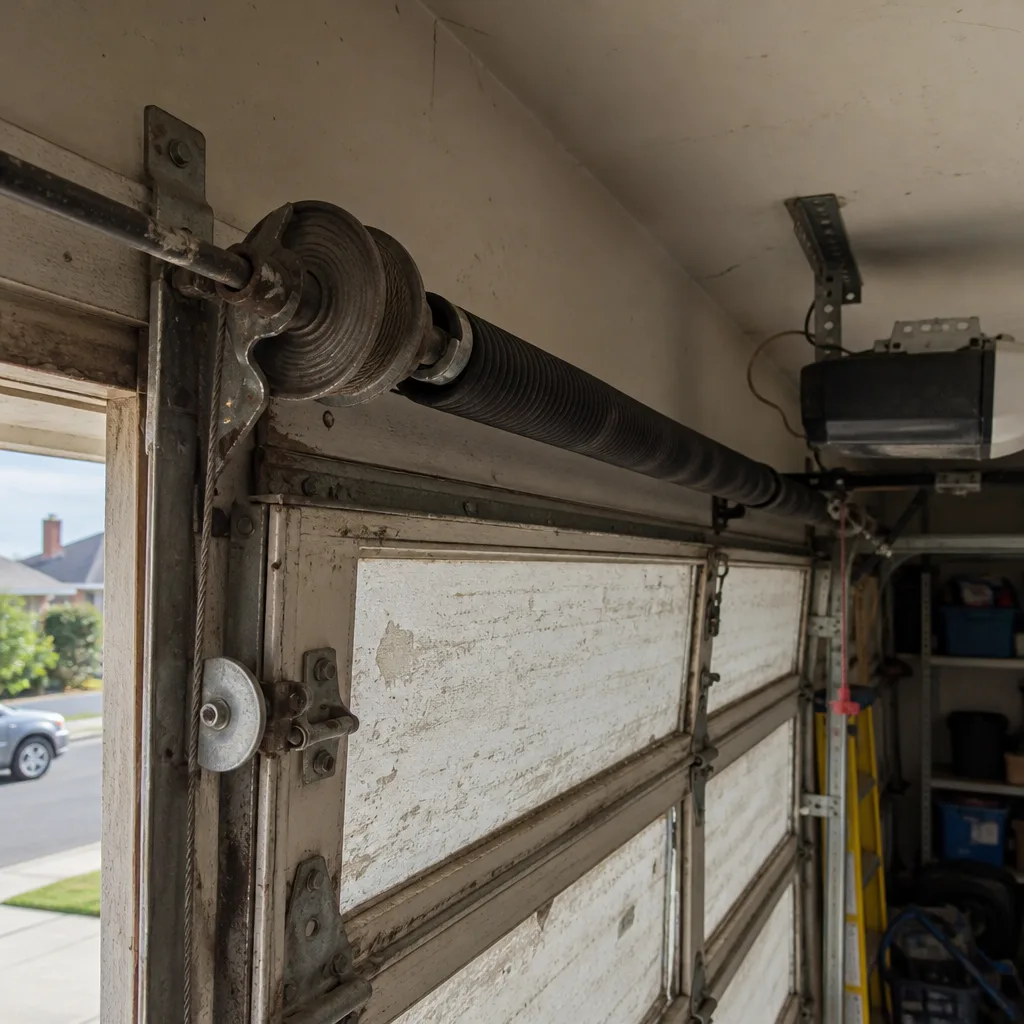
- What the Cable Drums and Anchor Bracket Tell You
- Brand-Specific Quirks We See in Huntington Beach Garages
- Common Mistakes to Avoid
- When to Call a Professional
- Frequently Asked Questions
- The Bottom Line
The Symptom-to-Component Diagnostic Table
Garage doors don’t fail silently. They make noise, move differently, and show visible wear long before they stop working entirely. The trick is knowing what each signal actually implicates. Here’s the component-level breakdown we use when a Huntington Beach homeowner describes what they’re seeing and hearing over the phone.
Sounds: What You’re Hearing and What It Means
- Grinding or metal-on-metal scraping: This almost always comes from the rollers, not the spring. The roller bearings wear out, the wheel no longer spins, and it drags along the track. On aluminum tracks near the coast, salt air accelerates this. The fix is typically roller replacement, which is one of the least expensive garage door repairs in Huntington Beach.
- Popping or loud banging: When a torsion spring breaks, it’s not quiet. Homeowners describe it as a gunshot or a car backfiring. If you hear this and the door won’t open manually, that’s a broken spring. One of our most common calls from the Bolsa Chica wetlands area is a door that slammed shut the night before after the spring let go.
- Squealing or high-pitched whining: This is usually the opener’s drive mechanism, not the door itself. Belt-drive openers get quieter over time as belts stretch; chain-drive openers get louder as the chain wears. If the squeal only happens when the opener is running, the opener is the source. We treat garage door opener repair in Huntington Beach as its own specialty because so many of these calls get misdiagnosed as door problems.
- Rattling during travel: Loose hardware. Bolts, hinges, and track brackets vibrate free over thousands of open-and-close cycles. The fix is tightening and re-torquing, but if rattling continues after that, the panel hinges themselves may be worn.
Movement Behaviors: How the Door Moves Tells You Why
- Sagging on one side when open: The door appears tilted or droops a few inches on either end. This is cable wear or cable drum slippage. One side is carrying more tension than the other. Left unchecked, the cable can snap and the door will drop hard.
- Jerking or stuttering during travel: This is usually a track obstruction, a bent track section, or a cable that’s beginning to fray and bind as it winds. On homes in the Los Alamitos corridor where garages see daily commuter cycles, we see track bolts backing out from constant vibration.
- Reversing before it fully closes: Yes, sometimes it’s the safety sensor alignment. But when the sensors are clean and the door still reverses, it’s often spring tension that’s dropped. The opener is reading the increased resistance as an obstruction and reversing. One way to check: pull the manual release and try lifting the door by hand. If it’s heavy to lift, the springs are the issue, not the sensors.
- Slow travel in one direction only: A door that’s slow going up but normal coming down usually means the opener is working harder against declining spring tension. A door that’s slow in both directions suggests opener motor wear, drive chain or belt stretch, or insufficient lubrication in the tracks and rollers.
Visual Changes: What the Door Shows You
- Gaps between door sections when closed: The hinges holding the panels together have worn. This is common on older steel doors in the Huntington Harbor area where salt moisture gets into hinge pins. It also means your garage is losing climate control through those gaps.
- Weatherstripping that’s flattened, cracked, or missing pieces: The seal at the bottom of the door takes abuse every time the door closes. In Huntington Beach, sun exposure on west-facing garage doors breaks down the rubber faster than anything else. A worn seal invites pests, water, and hot air.
- Visible rust on hardware: On a coastal home, some rust is expected. But rust on springs, cables, or anchor brackets is a structural concern, not a cosmetic one. Rusted cables are dramatically more likely to snap under load.
The Balance Test: Spring Failure vs. Opener Failure
The most common misdiagnosis we hear from Huntington Beach homeowners goes like this: they call expecting an opener replacement because the door struggles to open, but the actual problem is a spring that’s lost its tension. The good news is there’s a simple diagnostic anyone can run in about 30 seconds. Here’s how the balance test works.
- Pull the manual release handle. This is the red cord hanging from the opener rail. Pull it straight down until you hear or feel it disengage. The door is now in manual mode.
- Lift the door halfway by hand. Grab the door at the handle or along the bottom edge and lift it to about waist height. You’re not trying to muscle it open wide. Just halfway.
- Let go. Watch what happens.
Here’s how to read the result:
- Door stays in place, halfway open: The springs are balanced and doing their job. If the door still moves slowly or struggles when using the opener, the opener itself is the problem, not the door.
- Door drops or falls: The springs are weak or broken. The opener has been compensating for this by working harder, which is why it sounds strained. Replacing the opener without addressing the springs won’t fix anything.
- Door drifts upward on its own: The springs are over-tensioned. This is less common but happens when someone has adjusted the springs without a tension gauge. Over-tensioned springs put excess stress on the opener and the cables.
- Door is very heavy to lift at all: A single spring on a two-spring door has likely broken, or both springs have fatigued past functional tension. Stop testing and leave the door closed, or secure it open if it’s already open. Do not continue lifting.
The balance test takes sixty seconds and saves hundreds of dollars spent on an opener you don’t need. We’ve walked Huntington Beach homeowners through this test over the phone more times than we can count, and it changes the repair conversation entirely. When you know the springs are the issue, you know to call for garage door repair in Huntington Beach rather than an opener specialist.
Coastal Warning Signs Huntington Beach Homeowners Should Watch For
Living within sight of the Pacific means your garage door weathers a different environment than homes in Fountain Valley or Westminster. Salt air, humidity swings, and direct sun exposure create failure patterns that inland homeowners rarely see. Here’s what to look for if your home is within a mile or two of the water.
White Powdering on Hardware
That chalky white residue on your galvanized track brackets, hinges, and cable drums is galvanic corrosion. It happens when salt-laden moisture sits on galvanized steel and the zinc coating begins to break down. The first sign is cosmetic. The second sign is structural. Corroded anchor brackets and cable drums fail faster under tension because the metal cross-section is thinning. We see this consistently on homes in the Seacliff and Sunset Beach areas, where morning marine layer sits on garage hardware for hours.
Sensor Lens Fogging
Safety sensors sit low on the door tracks, about six inches off the garage floor. That’s exactly where salt air and humidity pool. The lenses develop a film that diffuses the infrared beam, and the door starts reversing for no visible reason. The fix is a simple lens cleaning with a dry microfiber cloth, but if the fogging recurs every few weeks, the sensor housing itself may be letting moisture in. Replacement sensors are inexpensive and solve the issue permanently.
Uneven Weatherstripping Compression
Humidity cycling causes the bottom rubber seal to compress and expand dozens of times a year. On a west-facing garage door that also gets afternoon sun, the seal hardens on the sun side while staying pliable on the shaded side. The result is a door that seals tight on one end and leaves a visible light gap on the other. It’s not just an energy and pest issue; uneven compression also means the door is sitting slightly off-level, which accelerates hinge wear on the low side.
Salt-Driven Roller Wear
Steel rollers with ball bearings are standard on most garage doors. But in coastal Huntington Beach, the bearings rust out faster than the wheel wears down. You’ll hear a rolling grind that sounds like gravel in the track. Replacing salt-damaged rollers with sealed nylon rollers solves the problem for years, and it’s one of the upgrades we routinely recommend during a regular service call.
Imminent Failure vs. Schedule-It-Later: How to Tell the Difference
Not every warning sign means your door is about to fail. Some signals give you weeks or months of runway. Others mean the door could fail the next time you press the button. Here’s how we separate the urgent from the scheduleable.
Warning Signs That Allow a Service Window of Days or Weeks
- Slow but steady travel speeds: If the door moves a little slower than it used to but still opens and closes fully, you can likely schedule service within a week or two.
- Rattling that doesn’t affect movement: Loose hardware is annoying but rarely causes immediate failure. Tightening bolts is a quick fix whenever a technician is out.
- Worn weatherstripping: A failing seal won’t strand your car in the garage. It can wait for a scheduled visit, though we recommend replacing it before the rainy season arrives.
- Sensor lens fogging: Clean the lens yourself. If the problem recurs, schedule a sensor replacement at your convenience.
Warning Signs That Require Same-Day Attention
- A broken spring: You’ll hear the pop. The door won’t open manually or with the opener, or it opens a few inches and slams back down. The door may be in a dangerous partially-open position. Do not attempt to open it and do not park inside.
- A snapped cable: If one cable breaks, the remaining cable is now carrying 100% of the tension load. It can fail within hours. The door will typically be visibly crooked or jammed.
- A door that’s come off its tracks: This is not a drive-it-and-see situation. The door can fall entirely, which is a major safety hazard. Leave it alone and call immediately.
- Any sign of a hairline crack in the torsion spring anchor bracket: The bracket is what keeps the spring’s torque contained. If it fails while the door is moving, the spring can spin freely, whipping its winding cone and causing serious injury or garage damage.
When one of these urgent signs shows up, a Huntington Beach homeowner needs a technician who can get out fast. We keep our phone line at (866) 253-0630 open for exactly these calls. A door that’s failed completely takes priority, and we’ll tell you honestly whether it’s an emergency or something that can wait a day.
What the Cable Drums and Anchor Bracket Tell You
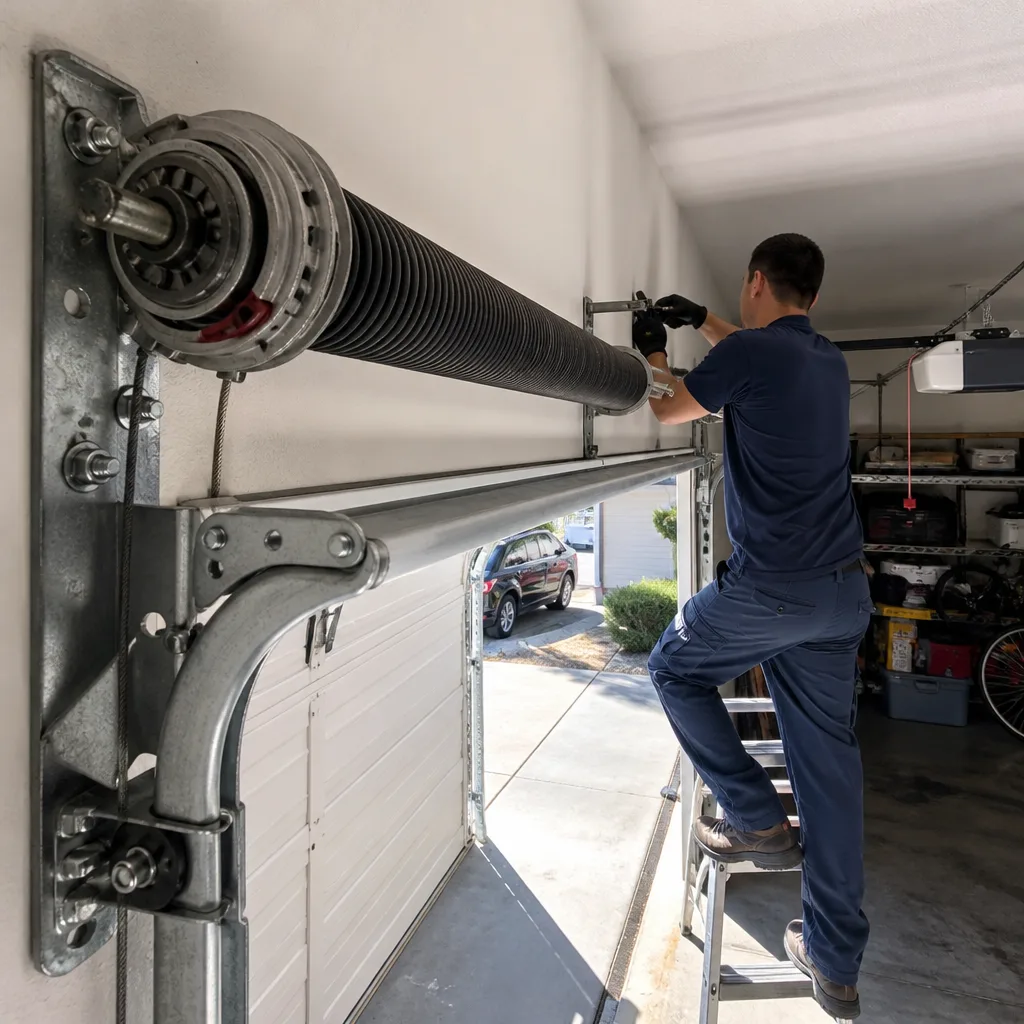
Most homeowners look at the door panels and the tracks when they’re trying to spot a problem. Almost no one looks up at the cable drums and the torsion spring anchor bracket. That’s a mistake, because those two areas show failure earlier than anything else on the door.
The Cable Drums
The cable drums sit at either end of the torsion tube, above the door. Each drum winds and unwinds the lifting cable as the door opens and closes. Here’s what to look for:
- Check for even cable winding. The cable should spool onto the drum in flat, even coils. If you see coils overlapping, crossing, or bunching on one side, the cable is misaligned and wearing against itself.
- Look for shiny spots on the drum surface. A polished or bright area on the drum indicates the cable has been riding off its groove and grinding against the drum itself. This creates heat and friction wear on a cable that’s already under tension.
- Check for rust bloom. On a coastal home, rust appears where the cable meets the drum first, since that’s where salt sits longest. Rusted cable is a ticking clock.
The Torsion Spring Anchor Bracket
The anchor bracket is the center mounting point that holds the torsion spring or springs in place. It’s usually a steel plate bolted to the header above the door. When you’re inspecting it:
- Look for gaps between the bracket and the wall. If the anchor bracket is pulling away from the header, the spring’s torque is slowly working the bracket loose. You’ll see daylight between the plate and the wall, or the bolts themselves will angle slightly.
- Check for cracks radiating from the bolt holes. This is the most serious anchor bracket warning sign. A cracked bracket can fail catastrophically, releasing a loaded spring suddenly. If you see any crack, do not operate the door.
- Look for signs of the bracket shifting. Paint damage, dust patterns, or fresh metal wear around the mounting points indicates the bracket is moving under load. That motion compounds over time and eventually fails.
These two areas are the most overlooked during a homeowner walkthrough because they’re overhead and out of sight. But they’re also where a garage door’s stored energy is concentrated, which makes them the most important places to catch a problem early.
Brand-Specific Quirks We See in Huntington Beach Garages
Garage doors aren’t all built the same. The brand of door and opener on your Huntington Beach home shapes which warning signs appear first and what they mean, so choosing the right garage door brand matters from day one. That’s why we service the full range of equipment homeowners actually have installed, from the door itself through the opener and the hardware in between. Whether the door is a Wayne Dalton, an Amarr, or a Craftsman model that’s been through three coastal winters, the failure pattern tells you where to look.
Wayne Dalton: TorqueMaster Tensioning
Wayne Dalton doors built with the TorqueMaster spring system don’t show a visible torsion spring above the door. The springs are enclosed inside the torsion tube. That means a homeowner running the balance test can’t visually confirm spring condition. The warning sign on a TorqueMaster-equipped door is typically a door that gets heavier over several weeks, with no visible spring damage anywhere. When we see this on a Huntington Beach home, the fix is almost always spring replacement inside the tube, not an opener issue.
Amarr: Hinge-Bearing Wear Pattern
Amarr doors tend to show their age in the panel hinges first. The hinge brackets on Amarr residential models are sized tighter than some competitors, which means bearing wear announces itself as a creaking or squeaking sound early. The good news is that catching it early makes hinge replacement cheap and quick. Ignore the sound for six months and the misalignment starts eating into the panels, which turns a $150 repair into a full panel replacement conversation.
Craftsman: Opener Age As a Predictor
Craftsman openers have been installed in hundreds of Huntington Beach homes over the past three decades, and the single biggest predictor of failure is age. A Craftsman chain-drive opener from the early 2000s that’s still running is on borrowed time. The gear inside the opener housing wears down, and the first symptom is usually a grinding sound from the opener itself while the door moves. That’s not a door problem. It’s the opener’s main drive gear shedding teeth. Catch it early and garage door opener repair is a one-part fix. Wait until the gear strips fully and the door stops mid-travel.
Raynor: Track Alignment Sensitivity
Raynor doors, especially the older steel models common in Huntington Beach’s track home developments, are more sensitive to track misalignment than most. When the vertical tracks drift even slightly out of parallel, a Raynor door will bind and jerk in a way that other brands tolerate. The warning sign is a door that’s smooth for the first few feet of travel and then shudders as it rounds the curve in the track. That’s a track alignment issue, and it’s usually a straightforward fix before it bends a roller stem.
We work on the brand you already have. Knowing the failure quirks before we arrive means the diagnostic time is shorter and the repair is more likely to be right the first time.
Common Mistakes to Avoid
- Ignoring a door that’s slightly slower than it used to be. Speed changes are early spring fatigue signals. The door is telling you the opener is working harder. By the time it stops opening at all, you’re looking at a spring replacement plus whatever damage the slam-down caused.
- Lubricating the tracks. One of the most frequent bad-advice items we see on YouTube. You should never grease or oil the tracks. The rollers run on bearings, not on the track surface. Lubricating the tracks just collects dust and grit and makes the problem worse. Lubricate the hinges, roller bearings, and springs instead.
- Replacing the opener before checking the springs. The balance test above exists for a reason. A homeowner in Huntington Beach called us last month after buying a new opener online and installing it, only to find the door still struggled. The old springs were shot. The new opener was fine. The unnecessary purchase cost more than the spring repair would have.
- Assuming the safety sensors are the problem every time the door reverses. Clean the lenses. If the door still reverses, it’s probably spring tension or track binding. Replacing sensors without checking the springs wastes money and fixes nothing.
- Leaving a broken spring door half-open. If the door fails in a partially open position, the spring’s remaining tension and the door’s weight are being held by the cables and whatever’s left of the spring anchor. That’s an unstable setup. Don’t try to nudge it open or closed manually. Call a technician.
- Doing a spring repair DIY. This is the one we’ll be blunt about. Torsion springs are under enough tension to kill or seriously injure someone who doesn’t know what they’re doing. The winding cones, the cable tension, the torque involved: this is not a homeowner job. Even our own technicians treat it with the respect it demands. Please don’t learn this lesson the hard way.
When to Call a Professional
You’ve run the balance test, checked the cable drums, and looked at the anchor bracket. If you’ve found any of the urgent warning signs above (broken spring, snapped cable, cracked bracket, door off its tracks), call a professional today. Don’t operate the door again until it’s been inspected. If you’ve found one of the slower-burning signs like worn rollers, a noisy opener, or sagging on one side, schedule service before it turns into an urgent call. Garage doors are all we do, so the diagnostic conversation is short and the repair is targeted. Driveway Garage Door Repair offers free estimates in Huntington Beach. Call (866) 253-0630 and describe what you’re seeing, and we’ll tell you honestly whether it’s urgent or can wait.
Frequently Asked Questions
Spring repair in Huntington Beach typically costs between $180 and $340 depending on whether you need one or two springs replaced and which brand of door you have. Wayne Dalton TorqueMaster systems run higher because the springs are enclosed and require more labor to access. If you call (866) 253-0630, we’ll quote you a firm price before any work starts.
If the door is jammed closed and your car is inside, that’s an emergency call. We handle those first, and we’ll give you an honest arrival window when you call. If the door still opens manually, the call is less urgent and can be scheduled at your convenience. Either way, the price is quoted and agreed before we send anyone out.
The most common cause is a dirty or misaligned safety sensor, but on doors that are five years or older with original springs, declining spring tension is the likely culprit. The opener senses the extra resistance and reverses as a safety response. Clean your sensor lenses first, and if the problem persists, run the balance test above to check the springs.
For the most common repairs on the brands we service, yes. When a Huntington Beach homeowner calls about a broken spring, a snapped cable, or worn rollers on a standard door, the parts are typically on the truck. For less common brands or specific panel replacements, we source the right parts and schedule the install rather than making an incompatible part work.
No. The price is quoted and agreed before any work starts. If our technician finds something additional that needs attention, they’ll explain what they found and quote that separately before touching it. You’ll never get a bigger invoice than what was quoted without your approval first.
We work on the brand you already have. Our technicians service the full range of equipment installed across Orange County, including LiftMaster, Chamberlain, Genie, Clopay, Amarr, Wayne Dalton, Craftsman, and Raynor. Whether it’s the door, the opener, or a full replacement, we bring the right parts for your specific system. For garage door installation in Huntington Beach, we’ll walk you through every option based on your home’s exposure, usage patterns, and budget.
The Bottom Line
Most garage door failures in Huntington Beach announce themselves weeks or months in advance. The noise your door makes, the way it moves, and what the hardware looks like up close are all diagnostic data if you know how to read them. The balance test separates opener problems from spring problems in under a minute. The cable drums and anchor bracket show you structural wear before anything fails. And local conditions, salt air, humidity, sun, make some of these warning signs appear earlier and progress faster than they would inland. When you spot a warning sign, acting on it early keeps a minor repair from becoming a full replacement. If you’re not sure what you’re looking at, call (866) 253-0630. We’ll help you figure it out. For more guides & resources, visit our blog. Back in working order is the point.
Written by the team at Driveway Garage Door Repair, serving Huntington Beach since 2015.
See the difference
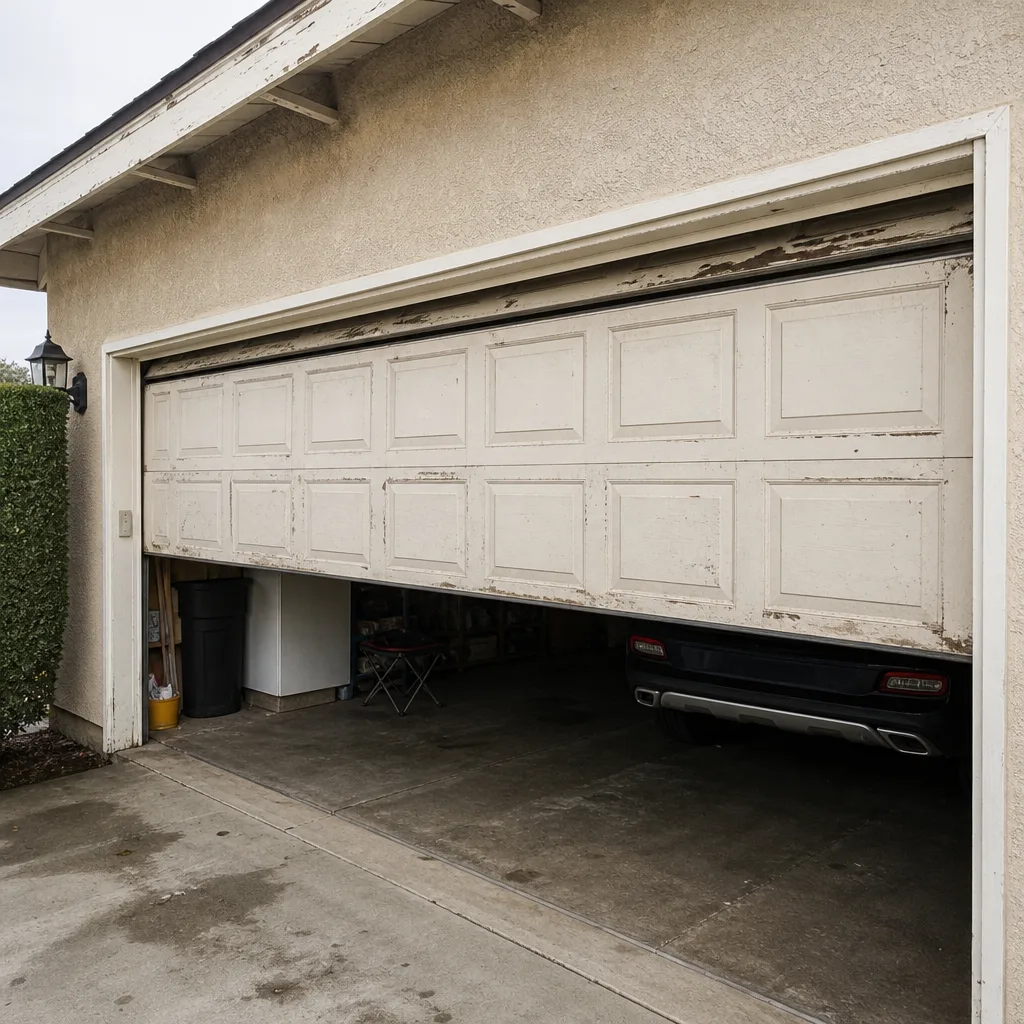 Before
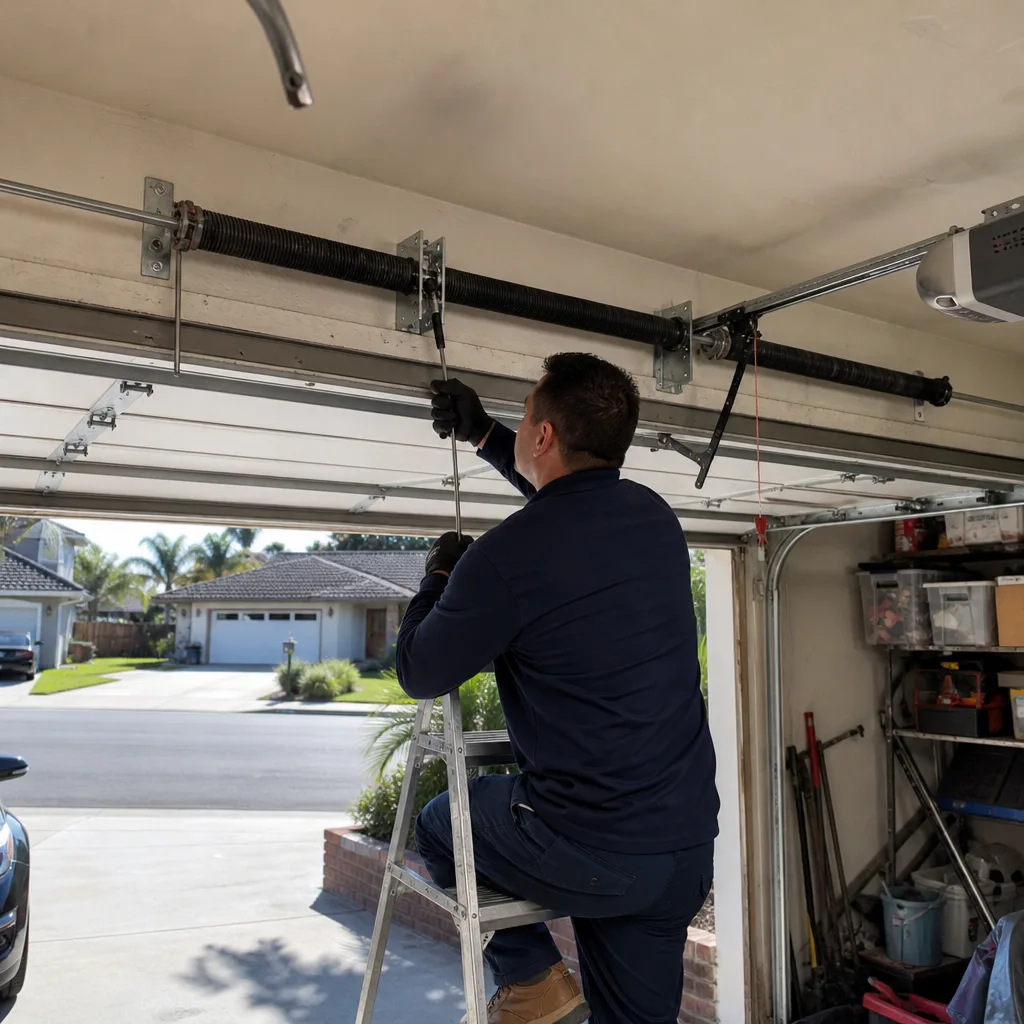 After
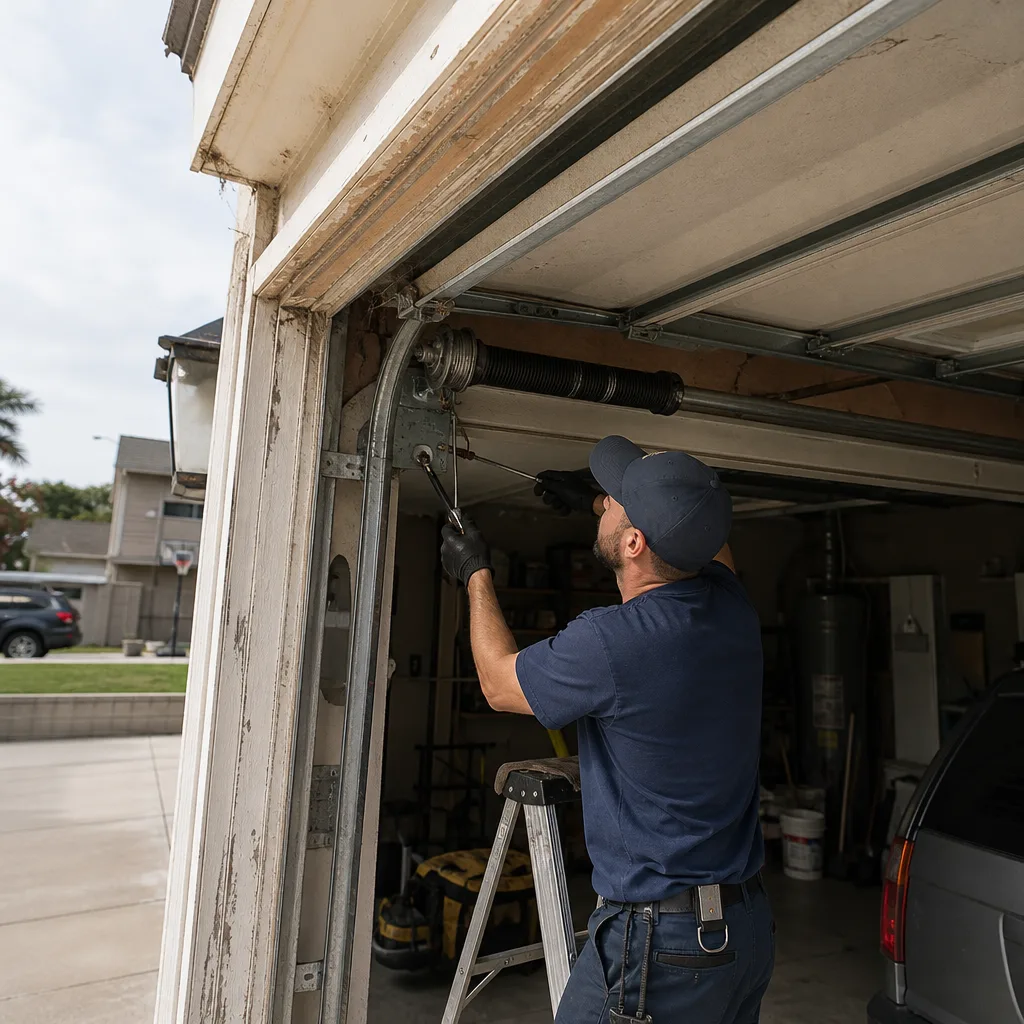 Before
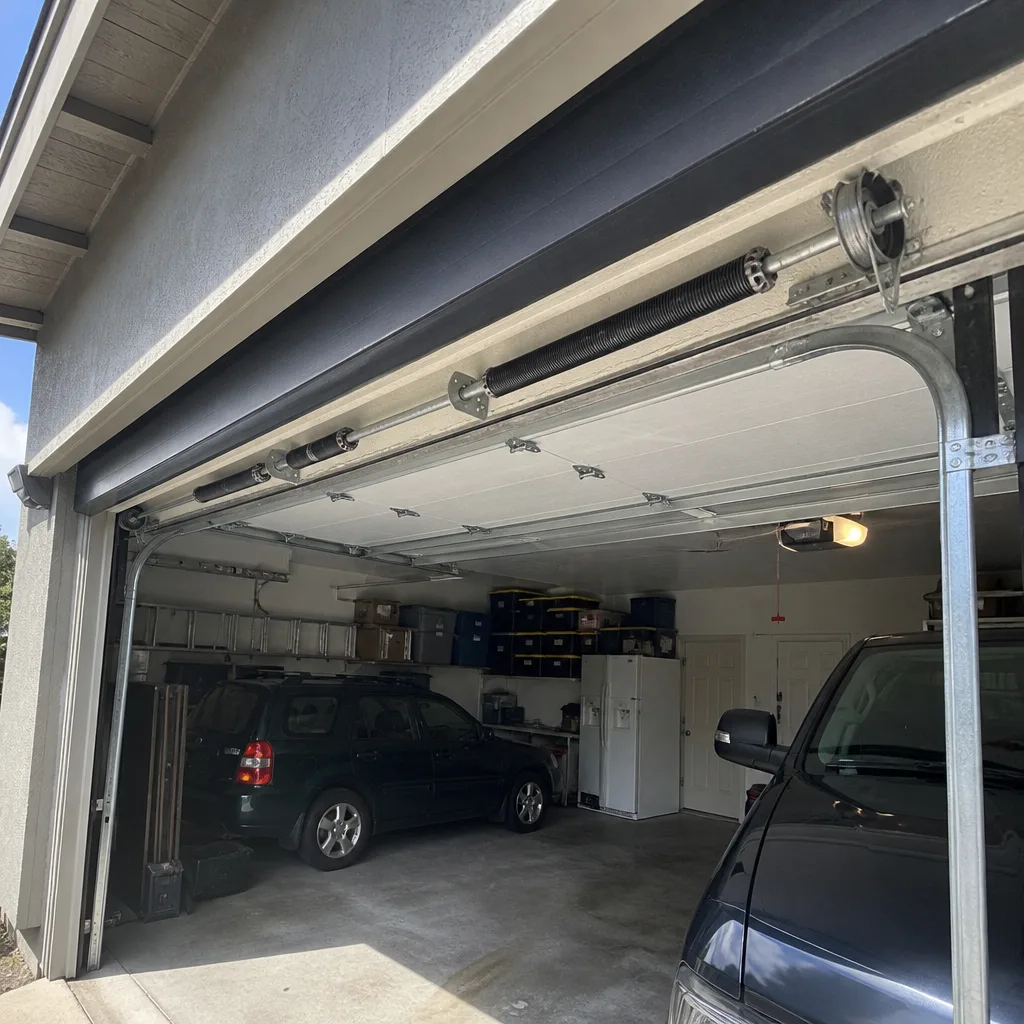 After
 Before
 After