Last updated October 31, 2026
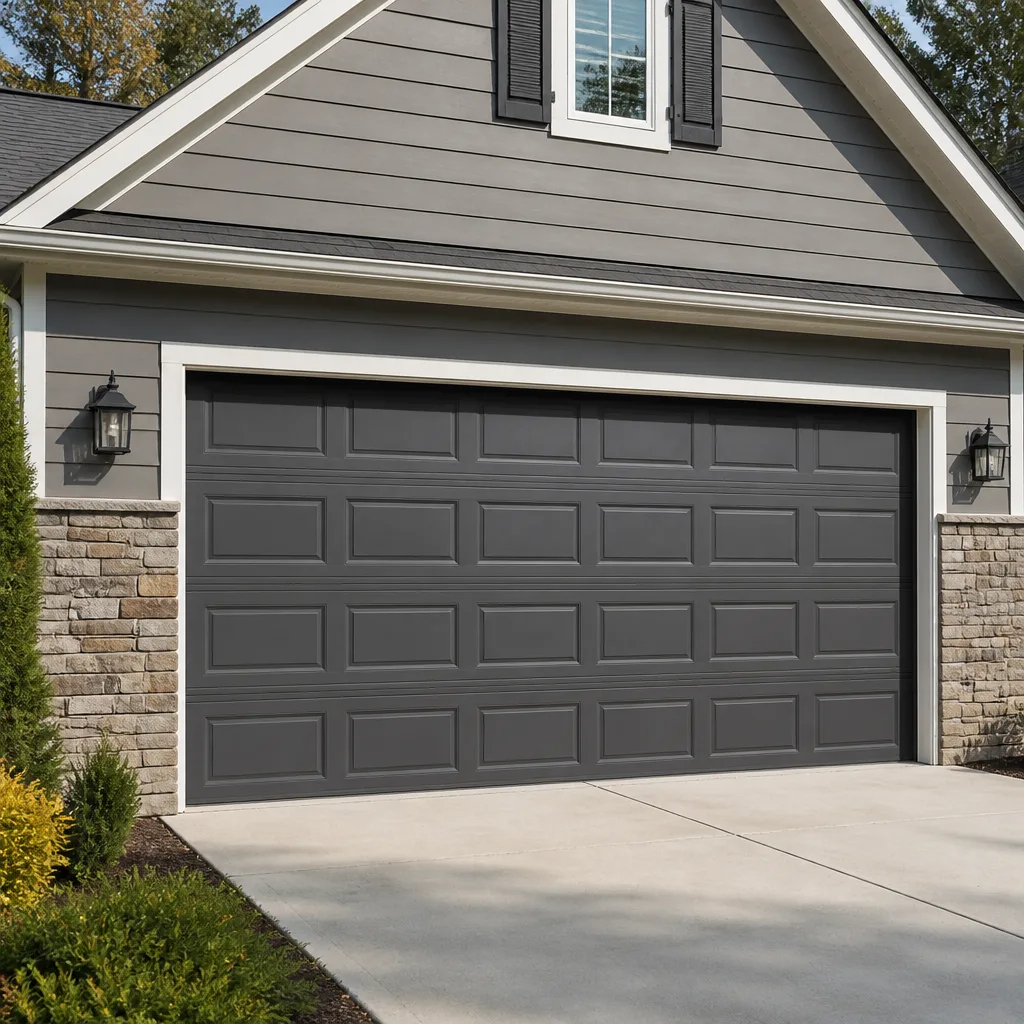 Raised-panel steel
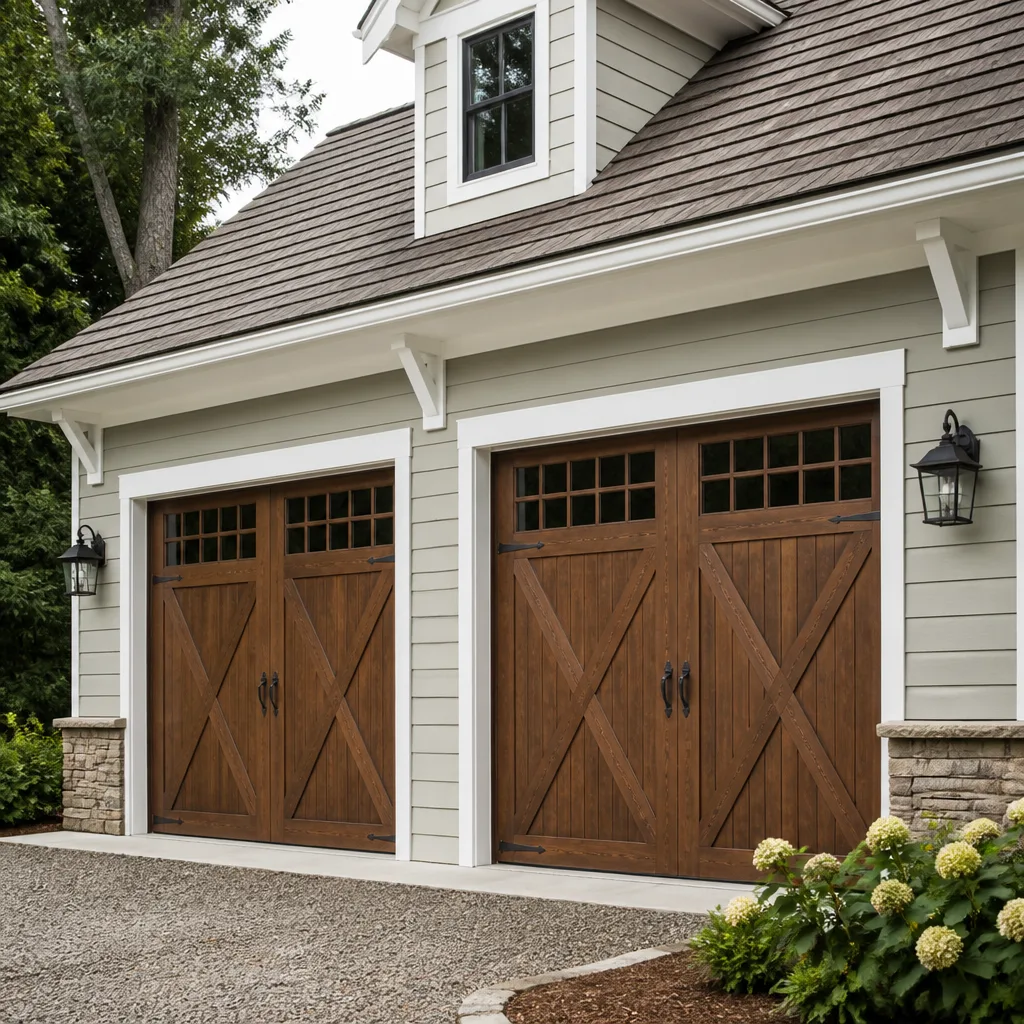 Carriage house
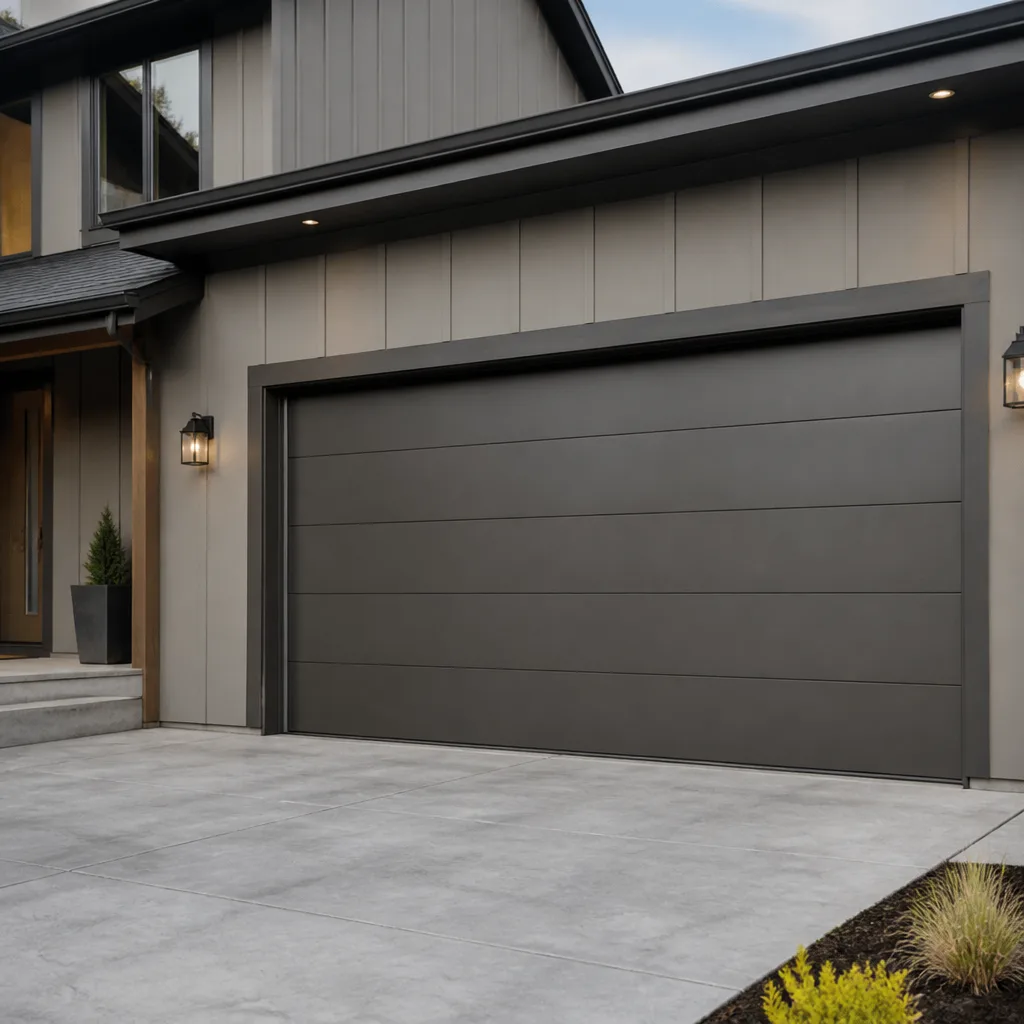 Modern flush
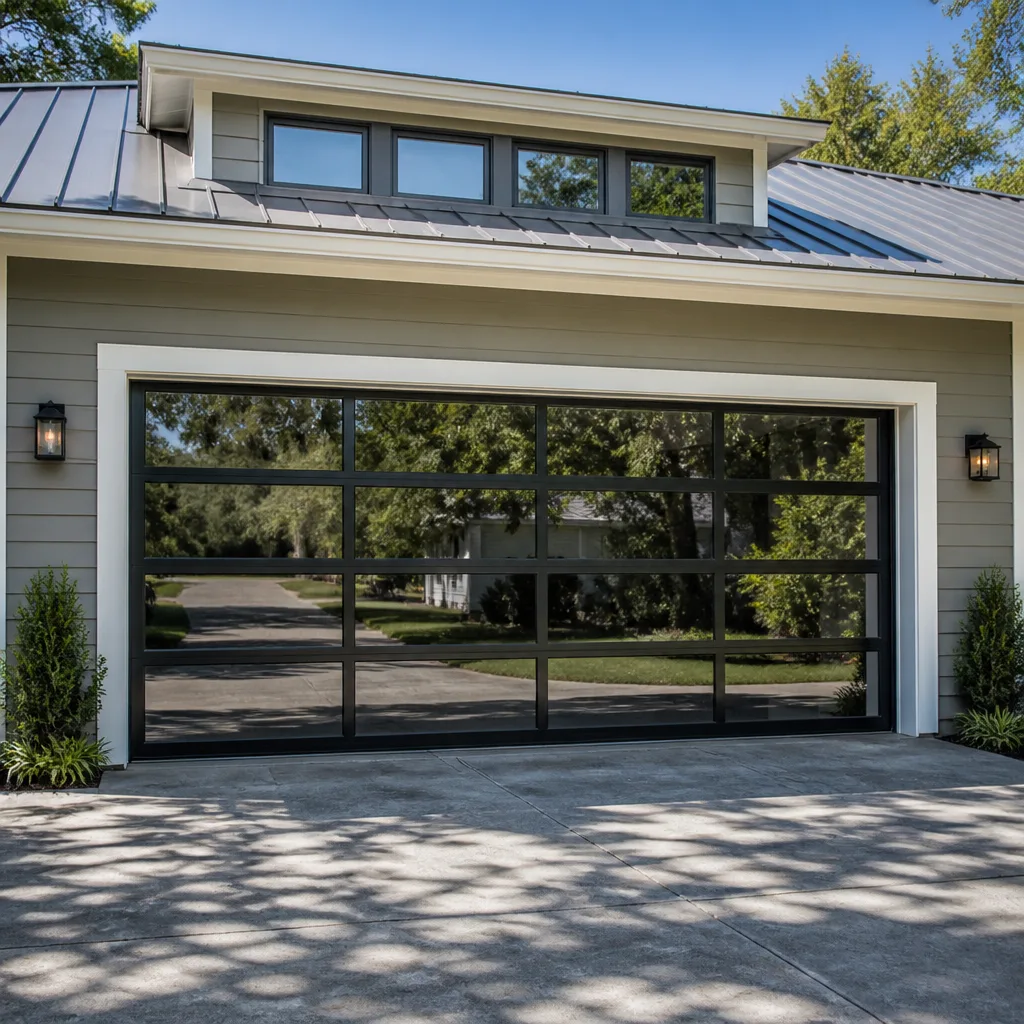 Full-view glass
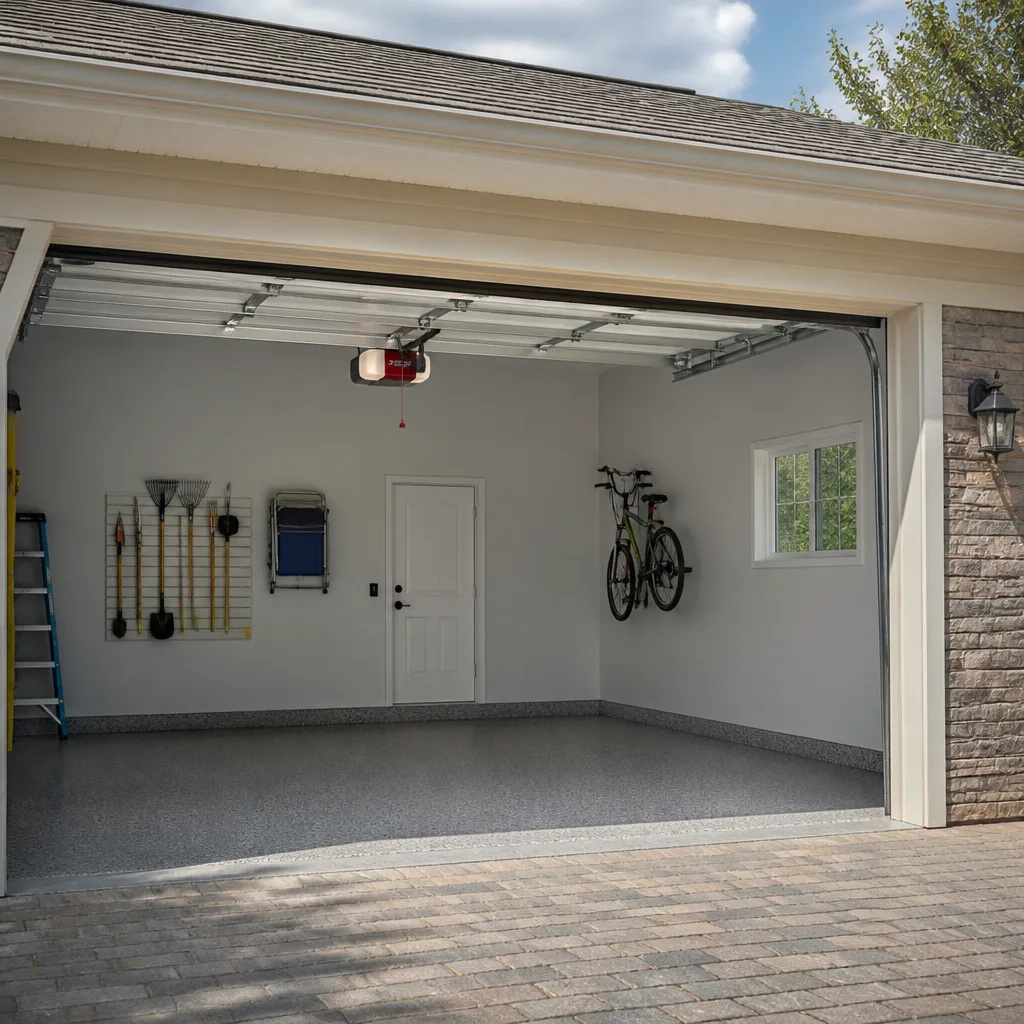 LiftMaster openers
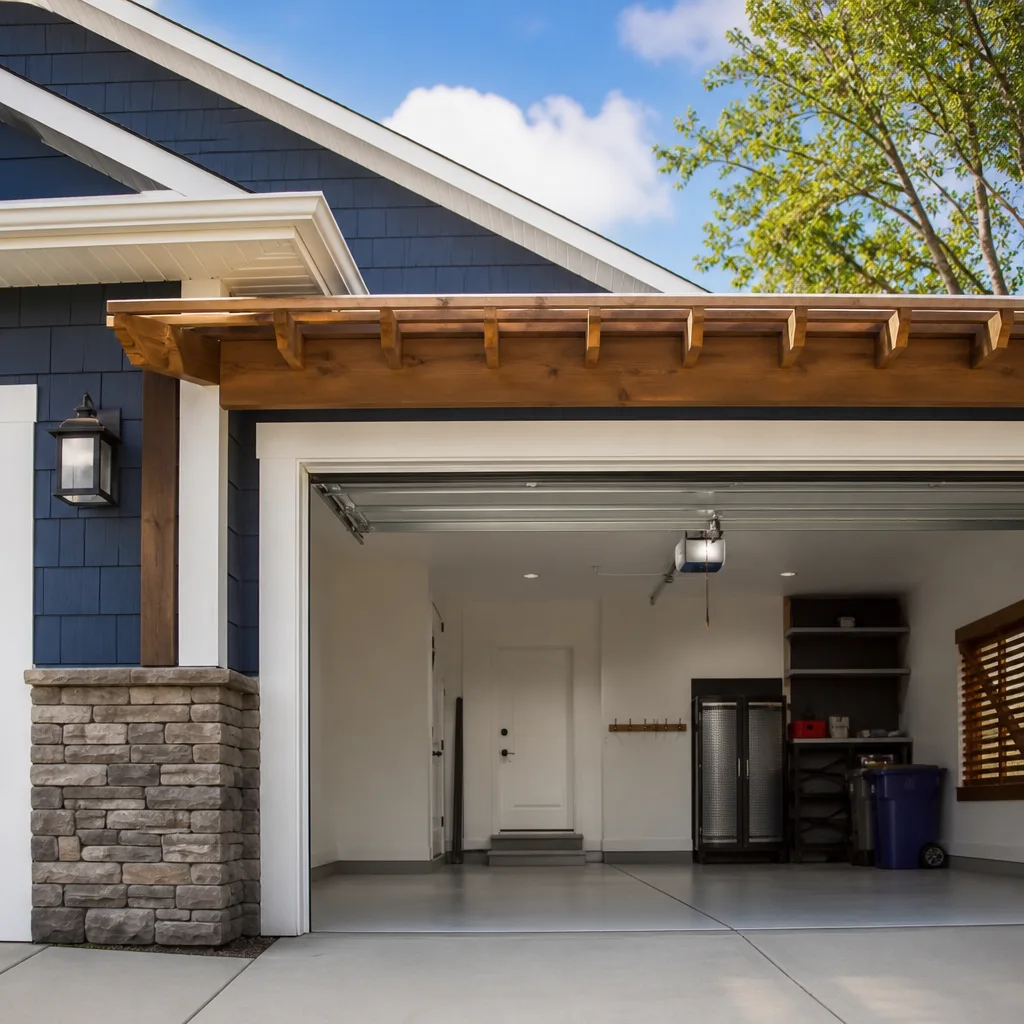 Chamberlain openers
Full 25-point door and opener safety check with every visit - springs, cables, rollers, tracks, and your LiftMaster or Chamberlain opener included
You get a price before we start. It does not change when the truck arrives.
Get your free estimateThe Complete Guide to Garage Door in Huntington Beach
The average Huntington Beach home sits within two miles of the ocean. That fact shapes nearly every garage door problem we see in this city, and it’s the reason generic garage door guides written for landlocked climates fall short. Salt air doesn’t just rust hinges. It degrades torsion spring coatings, corrodes aluminum tracks, and oxidizes the logic boards inside openers in ways that surprise homeowners who expected their door to last as long as their neighbor’s in Irvine or Fountain Valley. This guide maps the garage door as what it actually is: a system of interdependent components, each with its own lifespan under coastal conditions. For emergency preparedness tips specific to Huntington Beach homes, see our dedicated guide. You’ll learn which parts fail first in Huntington Beach, what materials hold up to marine-layer humidity, and how to know when a repair is worth doing versus when you’re better off replacing the door entirely.
Styles & brands we work with
Quick Answer
A garage door in Huntington Beach is a system made up of the door panels, torsion springs, tracks, rollers, cables, and opener, and most failures trace back to corrosion from salt air or wear on components that were never chosen for coastal exposure. The decision between repair and replacement comes down to which component failed, the age of the system, and whether the door structure itself is still sound. Homeowners in Huntington Beach should expect opener logic boards and spring coatings to wear out faster than national averages suggest, which makes brand-matched component servicing more important here than inland.
Table of Contents
- The Garage Door As a System: What Actually Wears Out
- Huntington Beach Salt Air and Marine Layer: What It Does to Your Door
- Sectional, One-Piece, and Roll-Up: Which Door Your HB Home Likely Has
- Why Brand-Matched Parts Matter: The Mixed-Brand Problem
- Component Lifespans Under Huntington Beach Conditions
- Repair vs. Replace: When You’re Throwing Money at a Losing Asset
- Garage Door Opener Repair as a Specialty Service
- Common Mistakes to Avoid
- When to Call a Professional
- Frequently Asked Questions
- The Bottom Line
The Garage Door As a System: What Actually Wears Out
Most Huntington Beach homeowners think of their garage door the way they think of a light switch: a single thing that either works or doesn’t. That’s where the trouble starts. A garage door is closer to a car engine, a collection of parts that must work together, and when one component fails, it stresses everything else. We work on the brand you already have because understanding the whole system, not just the part that broke, is what keeps a door running for decades instead of years.
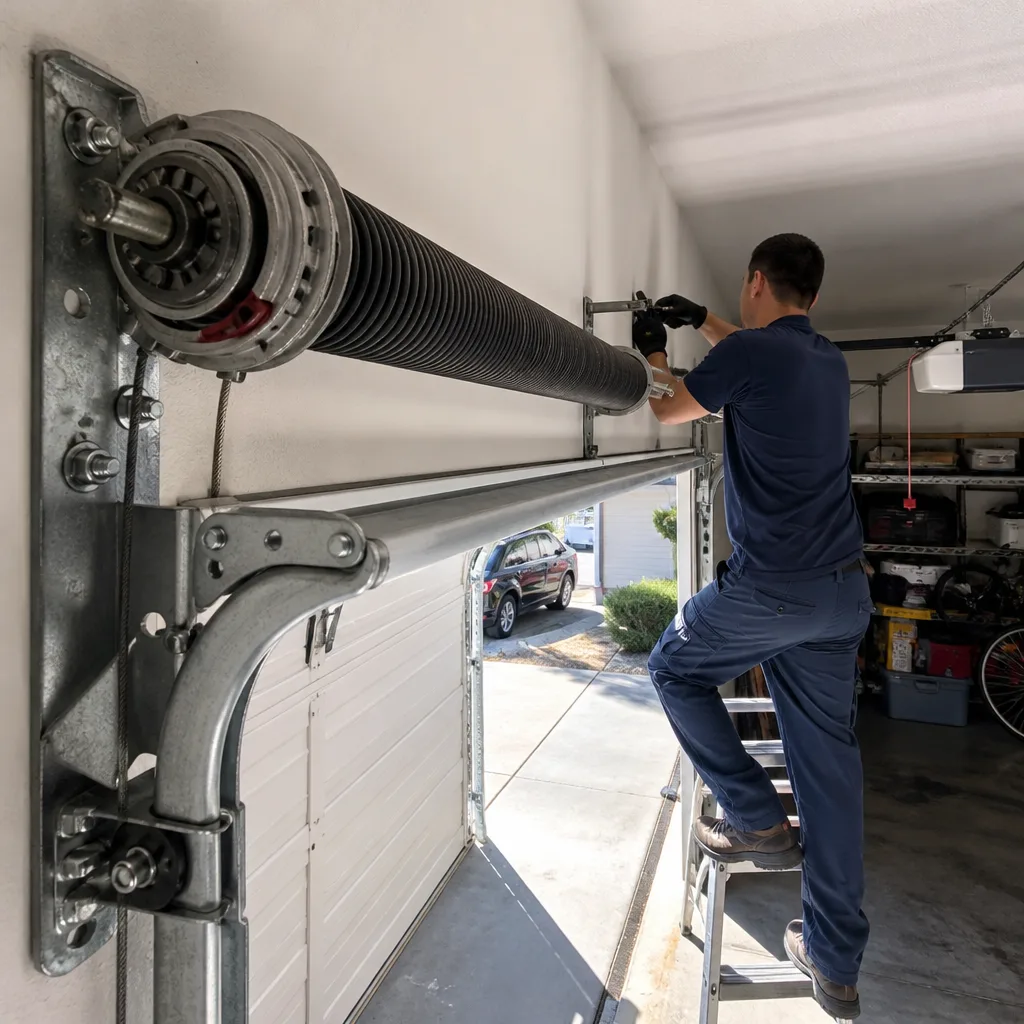
The five components that matter most are the panels, the torsion springs, the tracks and rollers, the cables, and the opener. Panels are the visible sections that travel up and down the track. Torsion springs are the wound coils above the door that do the heavy lifting, counterbalancing the door’s weight so the opener isn’t shouldering hundreds of pounds. Tracks and rollers guide the panels along the ceiling and back down. Cables attach the springs to the door. The opener is the motorized unit, and its job is to move the door along the path the springs make manageable.
Here’s why treating the door as a system matters. If a torsion spring loses tension on one side, the door opens unevenly. That uneven travel wears the rollers against the track, which bends the track over time, which puts lateral stress on the panels, which cracks a panel seam. Six months later you’re looking at a $400 panel replacement when a $180 spring fix would have prevented the cascade. We see this chain of events regularly in Huntington Beach tract homes where doors get cycled twice a day, every day, for years. The good news is that a trained eye catches the first link in the chain early. Garage doors are all we do, and that focus means we’re looking at the system, not just the symptom a homeowner called about.
Huntington Beach Salt Air and Marine Layer: What It Does to Your Door
The Pacific delivers salt-laden air into Huntington Beach neighborhoods almost every evening when the marine layer rolls in. Homes closer to Pacific Coast Highway and the downtown corridor get the brunt of it, but even properties near the 405 feel the effects of onshore flow during summer months. Salt air is corrosive, and it doesn’t announce itself the way rust spots on a car do. It works slowly, on surfaces and inside components, long before you’ll see visible damage.
Here’s what Huntington Beach conditions do to each major component:
- Torsion springs: Most stock springs have a zinc or powder coating. Salt air accelerates pitting in that coating, especially at stress points where the coil bends. Once the coating is compromised, the spring corrodes underneath, and corrosion on a spring under 200+ pounds of tension is a failure waiting for the worst possible moment, usually when the door is half open and the car is underneath it.
- Opener logic boards: This is the one homeowners are least prepared for. Marine humidity condenses inside the opener head unit when warm afternoon air meets the cool metal housing. Over time, oxidation forms on the circuit board’s solder joints. Intermittent failures, the door works in the morning but not in the afternoon, or it starts and stops mid-cycle, are classic signs. Inland openers rarely see this failure mode. Huntington Beach openers do, especially units installed against an uninsulated garage ceiling.
- Aluminum tracks: Aluminum resists rust but not galvanic corrosion when it’s in constant contact with steel rollers and salt residue. The track pulls, the rollers drag, and the opener strains. You’ll hear it as a grinding or scraping sound that gets louder each week.
- Hardware and fasteners: Hinges, brackets, and bolts on the surface of the door take direct exposure. Powder-coated hardware holds up well. Cheap galvanized hardware does not, and many builders in Huntington Beach tract developments from the 1970s through 1990s used whatever was specified at the lowest bid.
- Panel exteriors: Steel panels with a factory paint finish handle coastal exposure well if they’re maintained. Clopay and Amarr both manufacture doors rated for coastal installation, and in our experience those panels show noticeably less salt damage at the five and ten year marks than unrated steel. Wood doors, by contrast, swell and warp under marine humidity unless they’re sealed religiously.
If you’re choosing a new door for a home in Huntington Beach, ask specifically about coastal-rated hardware, marine-grade fasteners, and whether the springs come with a corrosion-resistant coating. Those three choices add years to the system’s life, and they’re not standard on every door sold at big-box retailers.
Sectional, One-Piece, and Roll-Up: Which Door Your HB Home Likely Has
Huntington Beach housing stock falls into three broad groups: tract homes built from the 1950s through the 1980s in communities like Huntington Harbour, southeast HB, and the neighborhoods around Main Street; larger custom and semi-custom builds from the 1990s onward; and newer coastal infill construction. Each group tends to have a different garage door configuration.
Sectional doors are the overwhelming majority. Four or five horizontal panels connected by hinges, riding on vertical tracks that curve into the ceiling. They’re the standard for most Huntington Beach homes because they work with standard garage openings and allow full driveway access with no outward swing. If your home was built after about 1970, you almost certainly have a sectional door. Among the brands we service most often in Huntington Beach, Clopay and Amarr sectional doors show up constantly in older tract homes, while Wayne Dalton panels are common in newer construction.
One-piece doors tilt outward and then retract into the garage as a single solid slab. They were common on post-war homes built in the 1950s and early 1960s, and you’ll still find them on original Huntington Beach properties that haven’t been renovated. They’re simpler than sectional doors, with fewer panels to fail, but they require more driveway clearance and they’re harder to automate cleanly. Some homeowners keep them because the original door is in good shape and replacement involves reframing an older opening.
Roll-up doors coil around a drum above the opening. In Huntington Beach they show up mostly on commercial properties, storage units, and some detached garages in custom builds where headroom is limited. They’re rare on primary residential garages but worth knowing about if you own a property with one, because the maintenance profile is different, fewer moving parts in the track system, but more stress on the coil drum and the spring assembly.
When you’re weighing repairs, the door type matters because each configuration distributes weight differently, which changes the correct spring size and the proper track alignment. A technician who only knows sectional doors will misdiagnose a one-piece door’s problem quickly. That’s part of why we service each of these configurations rather than pushing homeowners toward a replacement when the existing door is still structurally worth fixing.
Why Brand-Matched Parts Matter: The Mixed-Brand Problem
Every garage door brand engineers its panels, tracks, springs, and opener to work together within tight tolerances. When a previous owner or a hurried maintenance call swaps in a part from a different brand, the system still works, until it doesn’t. We see mixed-brand doors all over Huntington Beach, and they follow predictable failure patterns.
The most common mix-up is a LiftMaster opener paired with a Chamberlain-compatible spring set, which sounds harmless because both brands share a parent company. But spring tension, door weight, and opener travel limits are calculated as a system. If the spring set isn’t matched to the door’s actual weight, the opener’s force settings are wrong from day one, and the opener burns out prematurely while the owner blames the motor. A similar problem happens when someone replaces one cracked panel on an Amarr door with a different Amarr series panel. The profile might fit, but the panel weight differs, which changes the spring balance, which changes the opener load, and the cascade starts again.
Raynor doors are another case. They use a proprietary track profile on many models, and putting generic rollers into a Raynor track creates exactly the wrong amount of play. The door rattles, the rollers wear irregularly, and the owner assumes the door itself is failing when the actual problem is the wrong part in the right track.
Here’s what brand-matched service means in practice:
- Diagnosis starts with identification. A technician should identify the door brand, the opener brand, and the spring configuration before touching anything. If a door has mixed components, that’s noted immediately.
- Parts are matched to the door’s weight and travel geometry, not just its brand. Two Raynor doors of the same model can need different springs if one has added insulation panels or window inserts.
- The opener’s force limits are set for the actual door. Not for a generic door of the same size. This is why after-market opener installs on existing doors often fail within two years.
- Future work is documented. Knowing what was done and with what parts makes the next repair faster and cheaper.
We work on all eight of the most commonly installed brands in Huntington Beach, LiftMaster, Chamberlain, Genie, Clopay, Amarr, Wayne Dalton, Craftsman, and Raynor, precisely because homeowners inherit whatever the previous owner installed. You shouldn’t have to replace a perfectly good door just because the company you called only knows one brand’s catalog.
Component Lifespans Under Huntington Beach Conditions
National average lifespans for garage door components don’t reflect what salt air and nightly marine humidity do to equipment in Huntington Beach. Here’s what we actually see in this city, based on doors serviced in neighborhoods from Huntington Harbour to the southeast tract communities:
| Component | National Average | Huntington Beach Reality | Coastal Failure Mode |
|---|---|---|---|
| Torsion springs | 10,000-15,000 cycles (7-10 years) | 7-12 years if coated; 4-6 years if uncoated | Coating pitting, then corrosion at stress points |
| Garage door opener | 10-15 years | 7-12 years | Logic board oxidation; motor strain from stiff tracks |
| Steel panels (coastal rated) | 20-30 years | 15-25 years | Bottom panel rust along seal contact |
| Steel panels (standard) | 15-20 years | 8-12 years | Surface rust at hinge points and lower edges |
| Rollers (nylon) | 10-15 years | 8-12 years | Bearing wear from track drag caused by corrosion |
| Rollers (steel) | 7-10 years | 4-7 years | Direct rust; need replacement at any visible pitting |
| Cables | 15-20 years | 10-15 years | Fraying near the drum; salt accelerates individual strand failure |
| Tracks | 20+ years | 12-18 years | Galvanic corrosion at roller contact points |
| Bottom seal | 3-5 years | 2-4 years | UV + salt makes rubber brittle and crack sooner |
These numbers assume the door gets normal residential use, roughly two to four open/close cycles per day. If you use your garage as a primary entry point, the most common pattern in Huntington Beach families with multiple cars and active kids, cycle counts climb and lifespans compress. A door cycled six times daily will wear out springs twice as fast as one cycled twice daily, and neither the spring nor the opener knows why. It just counts cycles.
The takeaway is that Huntington Beach homeowners should inspect springs, cables, and the bottom seal annually, not every few years. Salt damage moves slowly and then suddenly. The annual inspection catches the slow phase.
Repair vs. Replace: When You’re Throwing Money at a Losing Asset
Every repair decision should answer one question: does this repair extend the useful life of a fundamentally sound system, or does it patch a component on a door that’s already approaching end of service? Our Garage Door Cost Breakdown: The Huntington Beach Homeowner’s Reference for 2026 helps you run the numbers. In Huntington Beach, where exposure shortens component life, the answer isn’t always obvious, and some homeowners spend their way through a series of repairs on a door that should have been replaced two repairs ago.
Here’s the decision framework we use with Huntington Beach homeowners:
- Repair makes sense when the structure is sound. If the door itself, the panels, tracks, and frame, is in good shape and the issue is a worn spring, a frayed cable, or a failing opener, repair is almost always the right call. A new torsion spring on a 10-year-old door with solid panels extends useful life by years at a fraction of replacement cost. This describes most of the garage door repair work we do in Huntington Beach.
- Repair makes sense when the problem is isolated. A single cracked panel on an otherwise healthy Amarr door, a failing Raynor spring, a Genie opener that needs a new logic board, all of these are isolated failures. Fix the part, keep the system.
- Replacement starts to make sense when corrosion has compromised multiple components at once. If the bottom panel is rusting through, the tracks are pitted, and the springs have visible corrosion, you’re looking at three separate repairs that add up to more than half the cost of a new coastal-rated door. That’s the threshold where we tell homeowners to stop patching and start planning.
- Replacement is the right call when the panel material itself is failing. Wood doors that have swelled and warped from Huntington Beach marine humidity can’t be un-warped. Steel doors with rusted-through panels can’t be un-rusted. Once the panel structure degrades, the door loses rigidity, and rigidity is what keeps the tracks aligned and the springs balanced.
- Opener replacement is its own decision. If the door is in good shape and only the opener failed, an opener repair or replacement is a clean fix. But if the door is also approaching end of service, it makes sense to replace both together, because a new opener on an old door often gets pushed beyond its force limits by a door that’s heavier and stiffer than it was when new.
The dollar figure that matters is the repair-to-replacement ratio. If a single repair costs more than 50% of what a new coastal-rated door would cost, and the door is past 12 years old in Huntington Beach conditions, replacement is the smarter long-term move. We walk through this calculation honestly with every homeowner, because our interest is in putting in the work that actually serves you, not selling a door because the repair is too much trouble.
Garage Door Opener Repair as a Specialty Service
Openers fail in Huntington Beach more often than they do inland, and the failure is rarely the motor. Most opener issues are electrical or alignment problems that a general handyman will misdiagnose as a dead unit. The result is homeowners replacing perfectly serviceable openers because the actual problem was a corroded sensor wire or a misaligned safety eye. That’s a $100 fix, not a $400 replacement, and the only way to know the difference is to troubleshoot the opener as its own system, not as an afterthought to the door.
Garage door opener repair is a named specialty we offer in Huntington Beach because opener failures are among the most disruptive garage door problems a homeowner faces. When the opener won’t respond, the door won’t move, or it reverses mid-cycle, the car is stranded in or out of the garage. In a city where most homes use the garage as the primary daily access point, that’s not an inconvenience. That’s a family’s logistics breaking down before 8am.
Here’s how a proper opener diagnosis should flow:
- Verify power at the unit and the wall switch. A tripped GFCI or a failed wall button can look identical to a dead opener.
- Check the safety sensors. In coastal air, sensor lenses get filmed with salt residue, and the brackets that hold them shift with door vibration. The most common opener symptom, the door reverses as soon as it starts closing, is usually a sensor issue, not a motor issue.
- Test the travel limits and force settings. If the door has been serviced with new springs or different panels, the opener’s settings may be fighting the door’s new balance point. Reset the limits, and the opener often runs fine.
- Inspect the logic board for corrosion. On openers over five years old in Huntington Beach, this is a real failure point. Visible board oxidation means the unit is on borrowed time even if it works today.
- Decide repair vs. replace on the opener alone. A board replacement on a Genie or LiftMaster unit is often half the cost of a new opener, and we’ll tell you which makes sense based on the unit’s age and condition.
Whether it’s the door, the opener, or a full replacement, having one company that can diagnose the whole system saves time and avoids the finger-pointing that happens when a door contractor and an electrician each blame the other’s work.
Common Mistakes to Avoid
- Putting off a spring replacement because the door still opens. A spring that’s lost tension or shows corrosion is a spring that can snap without warning. In Huntington Beach, where salt accelerates spring coating failure, waiting turns a $180 repair into a potential safety incident and door damage. Torsion springs contain enough stored energy to cause serious injury, so this is one repair that should always go to a trained professional.
- Lubricating the door with WD-40. WD-40 is a solvent, not a garage door lubricant. It strips away existing lubricant and leaves moving parts drier than before. Use a silicone or lithium-based garage door lubricant on rollers, hinges, and springs; it withstands Huntington Beach humidity without gumming up.
- Replacing the opener when the sensors are the problem. The door starts to close, then reverses, or won’t move at all, and the homeowner assumes the opener is dead. In two-thirds of the opener calls we see in Huntington Beach, the issue is the safety sensor, a power source, or a setting, not the opener motor itself.
- Painting over a rusty bottom panel. It hides the damage and makes it worse. The moisture trapped under the paint continues the corrosion from the inside. If a bottom panel shows rust-through or bubbling, the panel needs replacement, not paint.
- Mixing brands when replacing a single panel or spring. A Clopay replacement panel on an Amarr door changes the door’s weight distribution. The cheapest quote often creates the most expensive long-term problem. The right parts for your specific system cost more upfront and far less over time.
- Ignoring a noisy door because it still works. Noise is the first symptom of track wear, roller bearing failure, or spring imbalance. In Huntington Beach’s salt air, that noise usually progresses faster than it did wherever the previous owner lived. Catch it early and it’s a lubricant or roller job. Wait, and it’s tracks and panels.
- Choosing a new door without asking about coastal rating. Not all steel doors sold in California are rated for salt exposure. A door that would last 20 years in Riverside can fail in 10 years in Huntington Beach. Ask specifically. The answer tells you a lot about the dealer.
When to Call a Professional
Torsion springs are under hundreds of pounds of tension. When one snaps, the released energy can cut through skin and break bones, and every year homeowners end up in the emergency room trying to save a service call. Garage door spring work and cable replacement are not DIY jobs, and we say that without reservation. The same caution applies to any repair involving the tracks under tension and the opener’s electrical connections. If you see a frayed cable, a visibly corroded spring, or the door hangs unevenly when partly open, stop using the door and call a professional. Driveway Garage Door Repair offers free estimates in Huntington Beach, call (866) 253-0630, and we’ll assess the full system and give you a written price before any work begins.
Frequently Asked Questions
Garage door repair in Huntington Beach typically ranges from $120 for a roller or hinge replacement to $300-$450 for a torsion spring replacement or track rebend, depending on the door’s brand and weight. The exact price is always quoted and agreed before any work starts, and estimates are free. Call (866) 253-0630 for a specific quote on your door.
We prioritize repair calls because a broken garage door strands your car and often leaves your home exposed. Same-day service depends on our schedule and the time you call, but the work itself, a spring replacement or opener repair, is usually a one-visit job. Call (866) 253-0630 and we’ll tell you when our next available technician can be at your home.
We service all eight of the most commonly installed garage door and opener brands in Huntington Beach: LiftMaster, Chamberlain, Genie, Clopay, Amarr, Wayne Dalton, Craftsman, and Raynor. We work on the brand you already have, and our technicians are trained to service your specific system rather than offer a generic one-size-fits-all fix. Read more about our garage door services in Huntington Beach.
No. The price you’re quoted is the price you pay in almost every case. We quote repairs before any work begins. The only scenario where a price changes is if the initial diagnosis uncovers a second, hidden problem that requires additional work, and in that case we’ll show you the issue and get your approval before touching it. No one likes invoice surprises, and our business doesn’t run on them.
If your door’s panels, tracks, and frame are still structurally sound, repair almost always makes sense, especially for springs, cables, rollers, and openers. If the bottom panel is rusted through, multiple components are corroded, or the door itself has lost rigidity, replacement is the better long-term investment under Huntington Beach coastal conditions. A good contractor will walk you through the honest math on both options, and that’s what we do on every inspection.
Yes, and it does more damage than most Huntington Beach homeowners realize. Salt air accelerates spring corrosion, aluminum tracks develop galvanic wear at the roller contact points, and marine humidity oxidizes opener logic boards, causing intermittent failures that can’t be explained until the board is inspected. Doors and openers in coastal Huntington Beach fail years earlier than identical equipment inland. That’s the reality of living within two miles of the Pacific, and the reason coastal-rated materials and regular inspections pay for themselves.
The Bottom Line
A garage door in Huntington Beach is a system with one dominant environmental enemy: the ocean. Salt air and marine humidity shorten the life of springs, openers, tracks, and panels compared to inland averages. The owners who get the longest life from their system treat it as a set of interdependent components, not a single purchase, and they service it with brand-matched parts before small problems become cascading failures. Garage door installation in Huntington Beach is a decision that pays back for decades when the door is chosen for coastal conditions. Whether it’s a spring, an opener, or a full replacement, the goal is the same: back in working order, with a price and plan you know before work starts. That’s the way we’ve built our service in this city, and it’s the standard you should expect from anyone who works on your door.
Written by the team at Driveway Garage Door Repair, serving Huntington Beach since 2015. Browse more guides & resources for coastal garage door care.
See the difference
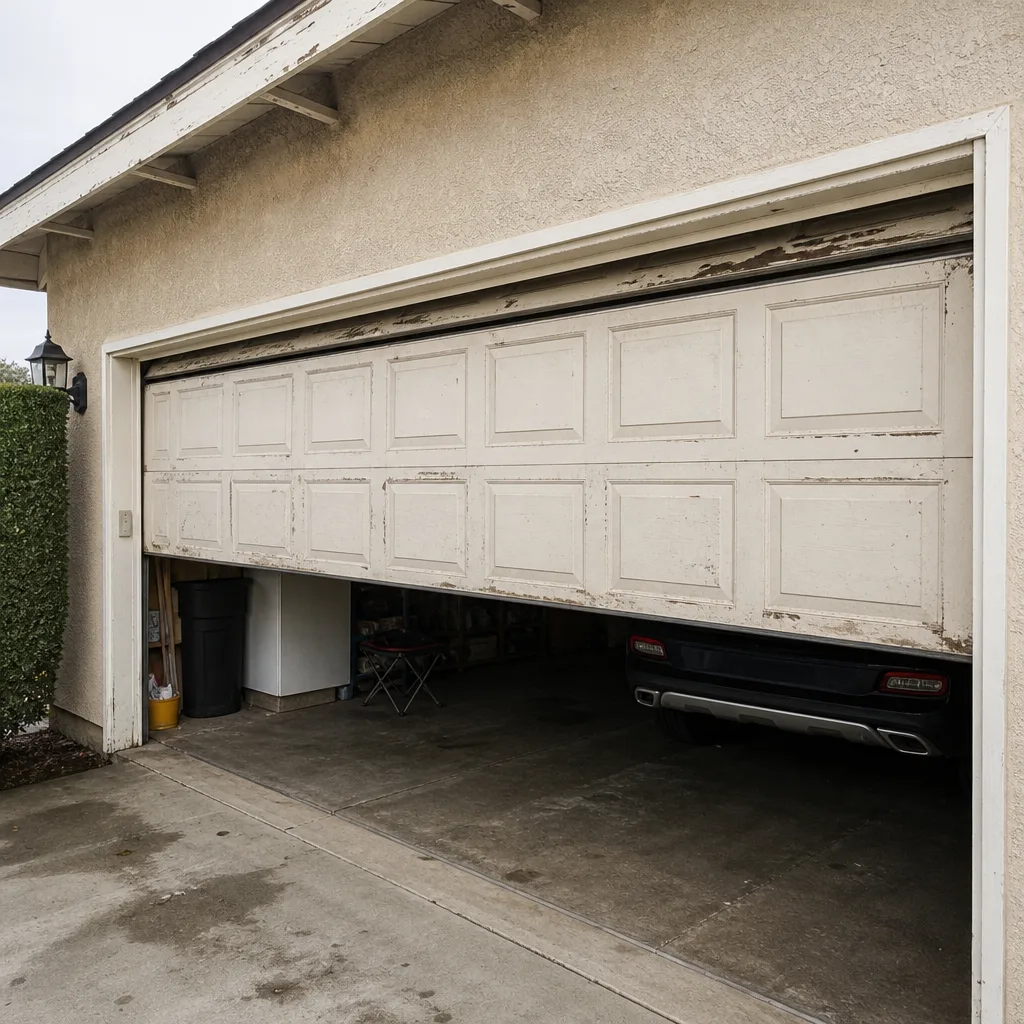 Before
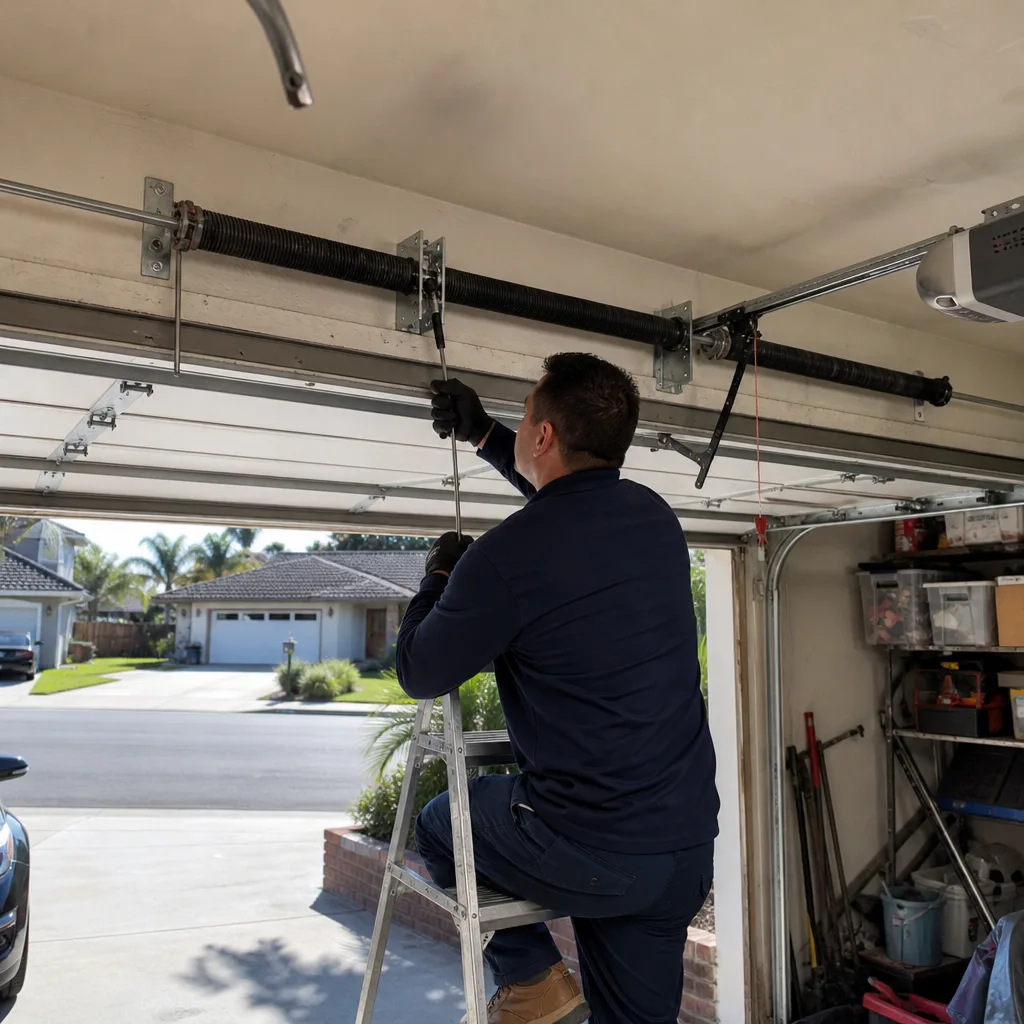 After
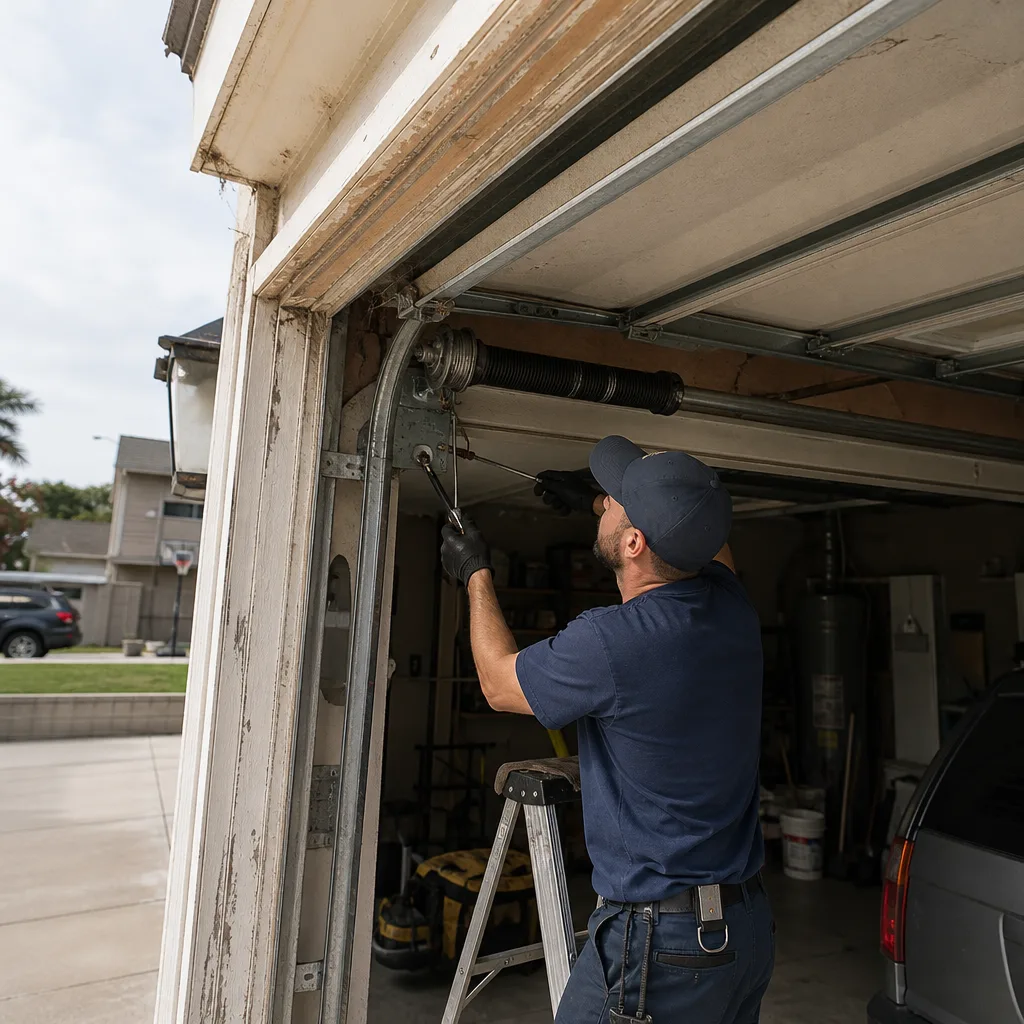 Before
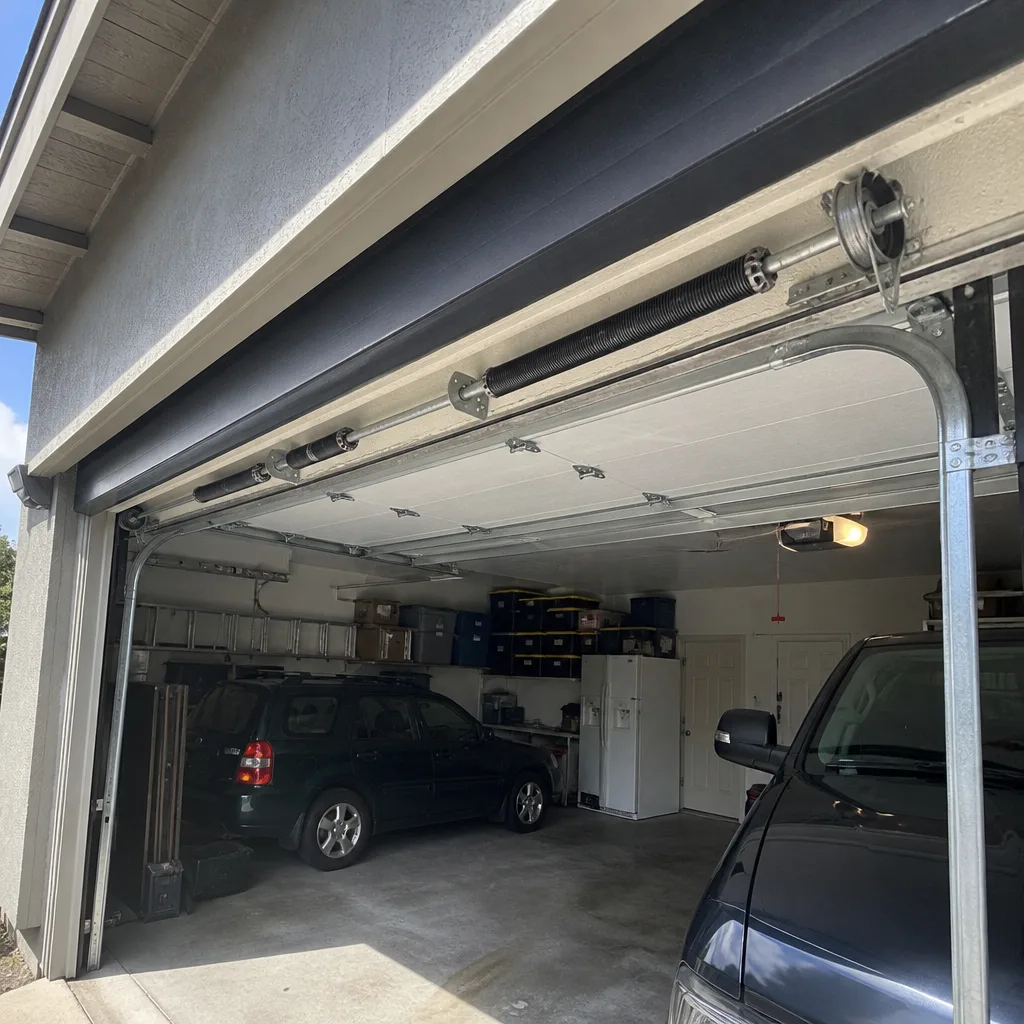 After
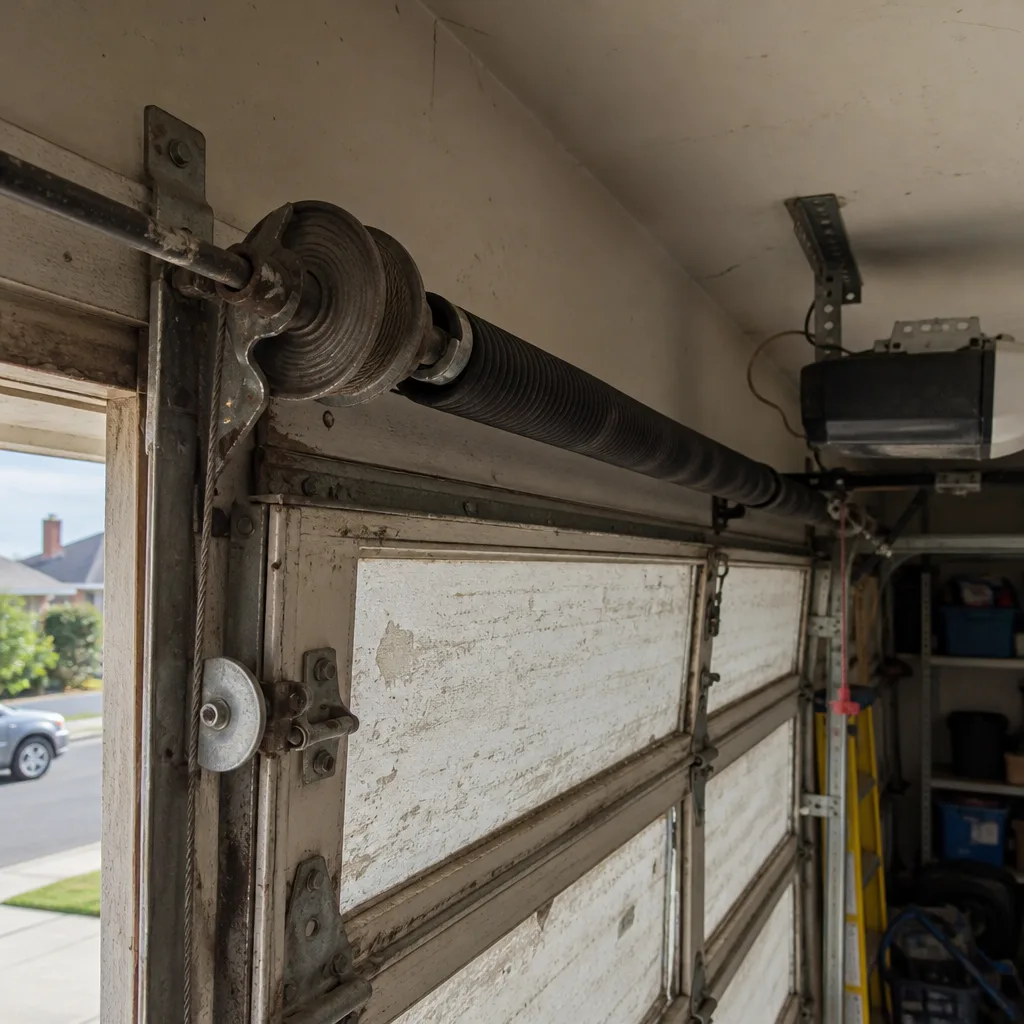 Before
 After