
Last updated October 31, 2026
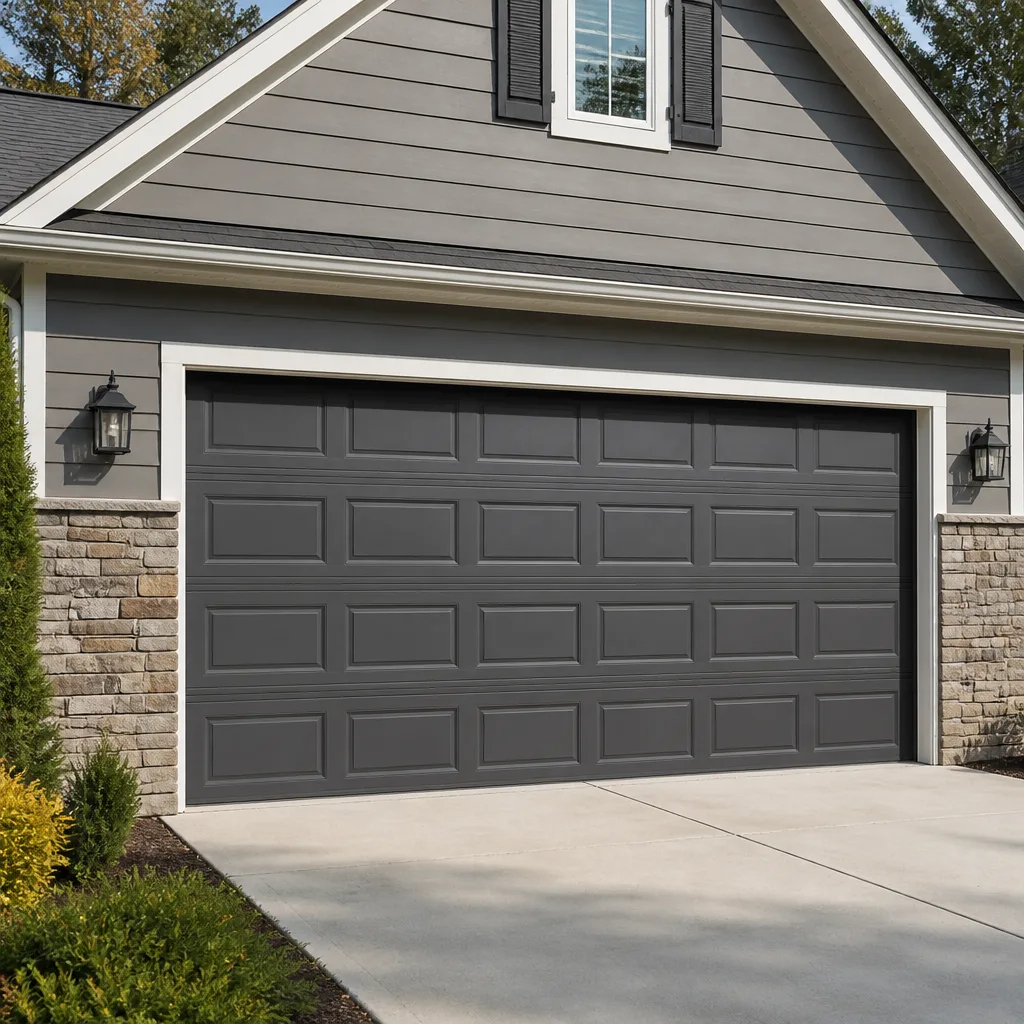 Raised-panel steel
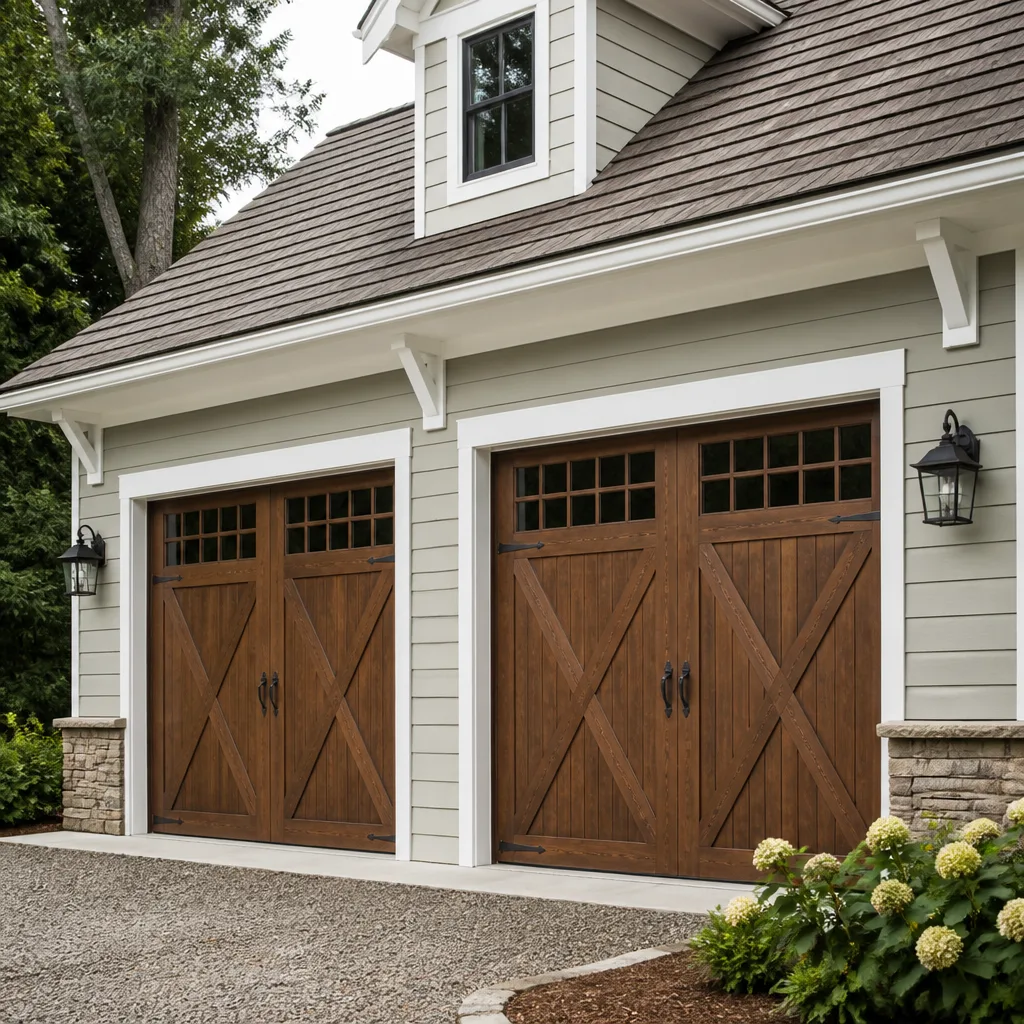 Carriage house
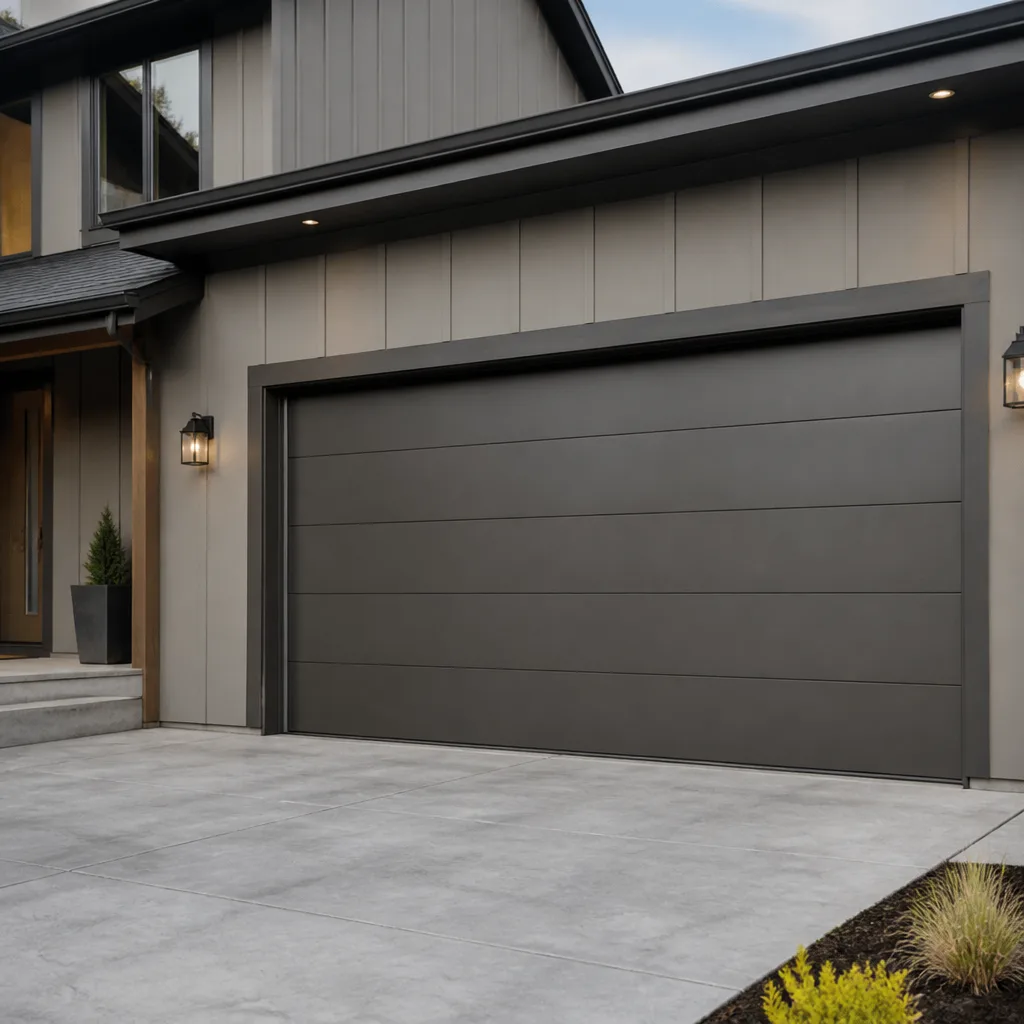 Modern flush
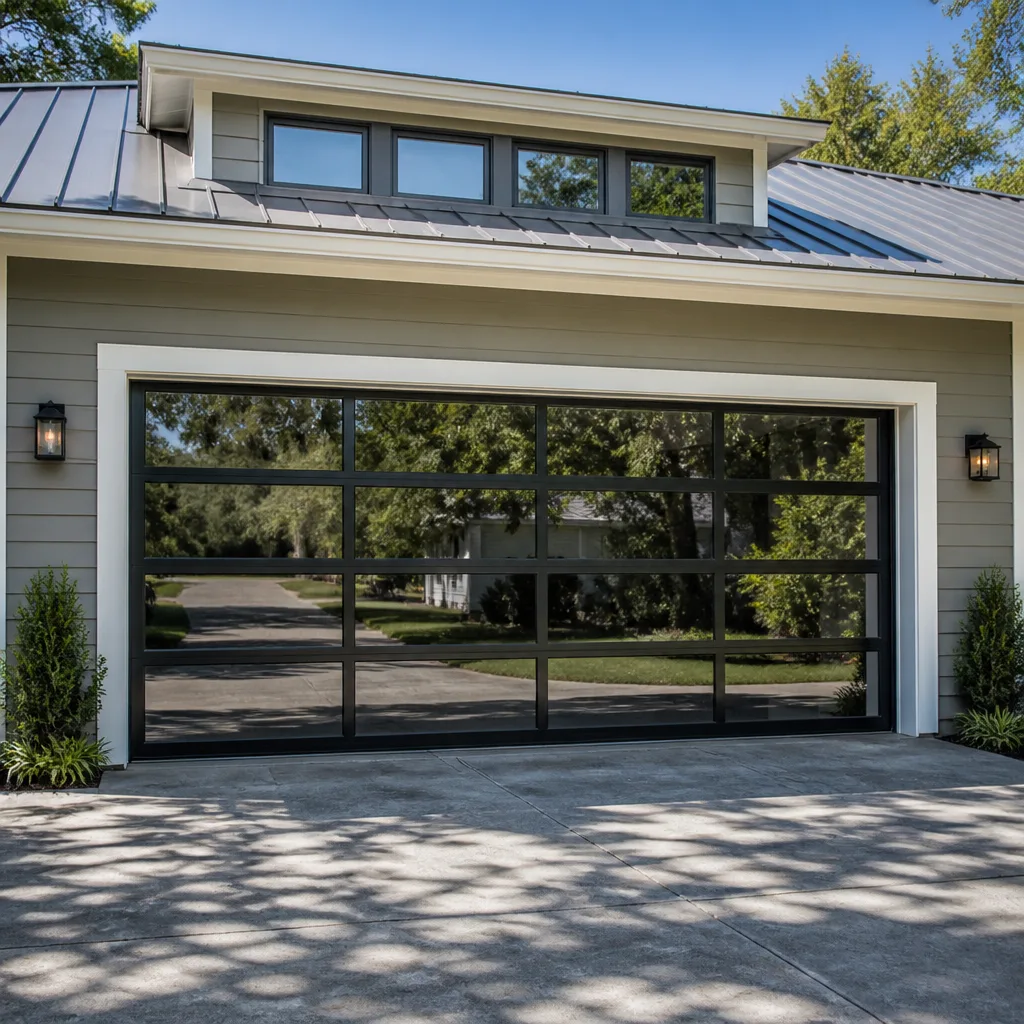 Full-view glass
 LiftMaster openers
 Chamberlain openers
Full 25-point door and opener safety check with every visit - springs, cables, rollers, tracks, and your LiftMaster or Chamberlain opener included
You get a price before we start. It does not change when the truck arrives.
Get your free estimateGarage Door Permits, Codes & Inspections in CA: What You Need to Know
Here’s something that catches a lot of Huntington Beach homeowners off guard: that new garage door you’re planning to install might legally require a building permit. Not sometimes. Not in rare edge cases. Under the California Residential Code and Title 24 energy standards, a surprising range of garage door work crosses the permit threshold, and plenty of contractors won’t tell you because it slows down the job. This guide walks you through exactly when a permit is required in California and Huntington Beach, what the inspection actually checks, what happens if you skip it, and how to fix it retroactively if the work is already done.
Styles & brands we work with
Quick Answer
A garage door replacement in California needs a permit when the work involves structural changes to the header or framing, electrical work for a new opener circuit, or when the door separates a garage from conditioned living space and falls under Title 24 energy code triggers. Panel-only replacements on existing tracks typically do not require a permit. In Huntington Beach, the Community Development Department issues these permits, and inspections verify structural fastening, safety sensor function, and energy compliance where applicable.
Table of Contents
- When Does California Require a Permit for Garage Door Work?
- How Huntington Beach Processes Garage Door Permits
- What the Inspection Actually Checks
- Title 24 Energy Compliance and Garage Doors
- Consequences of Skipping the Permit
- How to Retroactively Permit Work in Huntington Beach
- Common Mistakes to Avoid
- When to Call a Professional
- Frequently Asked Questions
- The Bottom Line
When Does California Require a Permit for Garage Door Work?
The California Residential Code (CRC) doesn’t have a single line that says “garage doors need permits.” Instead, permit triggers come from three separate sections of the code, and understanding the overlap is where most confusion starts. The CRC governs structural work. The California Electrical Code governs opener circuits. And Title 24, Part 6 governs energy performance for doors adjacent to conditioned space.
Work That Does NOT Require a Permit
Before we get into what requires a permit, let’s be clear about what doesn’t, because this is where homeowners can save time and money. Replacing individual panels on an existing door, swapping out rollers, hinges, or weatherstripping, adjusting spring tension (when done by a qualified tech), and replacing a like-for-like opener using the existing outlet do not trigger permit requirements in most California jurisdictions, including Huntington Beach. If your door is staying on the same tracks, using the same header, and the opener plugs into the existing receptacle, you’re generally in the clear. For issues that fall outside routine maintenance, see our Garage Door Repair Troubleshooting: Common Problems and How to Fix Them.
Work That DOES Require a Permit
Here’s where the lines get drawn. A permit is required when any of the following apply:
- Structural header modification: If the opening is being resized, the header beam is being replaced, or new structural supports are being added, that’s squarely in permit territory. This is true whether you’re widening for a larger door or repairing termite damage discovered during removal.
- New electrical circuit for an opener: If your new opener requires a dedicated circuit and a new outlet needs to be run from the panel, that’s an electrical permit trigger. This comes up more often than you’d think in older Huntington Beach homes where garage outlets were never installed or are on overloaded shared circuits.
- New door installation where none existed: Converting a carport to a garage or adding a door to a wall that didn’t have one before is structural work. Full permit required, full stop.
- Fire-rated door requirements: When a garage shares a wall or ceiling with living space, the door between them (typically a pedestrian door, but sometimes the vehicle door in attached garages) must meet fire-rating standards. Replacing a rated door with a non-rated one is a code violation that inspectors catch.
- Title 24 trigger: If your garage is conditioned (heated or cooled) or shares a wall with conditioned living space and you’re replacing the vehicle door, energy code compliance may be required. We cover this in detail below.
In our experience serving Huntington Beach homes from the waterfront to the inland tract neighborhoods, we’ve found that the most common trigger is actually the header point. Keeping up with regular inspections using a Garage Door Repair Maintenance Checklist for Huntington Beach Homeowners can help catch these issues early. Many homes built in the 1950s and 1960s have headers that don’t meet current seismic standards, and when a homeowner upgrades to a heavier modern door, the inspector may flag the header even though the original permit didn’t address it.
How Huntington Beach Processes Garage Door Permits
Huntington Beach operates through the Community Development Department, which handles building permits under the city’s adoption of the California Building Standards Code with local amendments. Garage door permits fall under residential building permits, and the process is more straightforward than most homeowners expect. But “straightforward” doesn’t mean “instant.”
Here’s the typical sequence for a garage door permit in Huntington Beach:
- Determine your permit path: Huntington Beach offers an Express Permit program for certain minor residential projects, and some like-for-like replacements with electrical modifications may qualify. Structural changes require a standard plan review.
- Submit the application: Either through the city’s online permit portal or in person. You’ll need a basic site plan showing the garage location, a description of the work, and for structural changes, engineering calculations for the header.
- Pay the fee: Garage door permits in Huntington Beach typically run between $150 and $400 depending on the scope and whether plan review is required. Structural review adds time and cost.
- Schedule the inspection: Once the work is done, you call for inspection. Huntington Beach requires inspections to be scheduled at least one business day in advance, and the inspector will need access to the garage interior and the door controls.
- Receive sign-off: If everything passes, the permit is signed off and the record closes. If not, the inspector issues a correction list and you have 30 days to address it.
One thing that surprises people: Huntington Beach inspectors are thorough about safety sensors. If you’re installing a new opener, expect the photo-eye sensors to be tested on-site. If they’re not properly aligned at 4 to 6 inches above the floor, the inspection fails. This is the single most common correction on garage door permits in the city.
Plan Review vs. Over-the-Counter
Not all garage door permits require plan review. In Huntington Beach, simple replacements that don’t touch structure or electrical are often handled as over-the-counter permits with same-day issuance. Once you’re modifying the header, adding structural supports, or running new circuits, you’re into plan review territory, which can add one to two weeks depending on current department volume.
We work with homeowners across Huntington Beach on doors from manufacturers like Clopay and Amarr, and a recurring pattern is that a lighter modern door minimizes the header question entirely. If you’re replacing an old solid-wood monster with a modern insulated steel door, the load on the header actually decreases, which simplifies the permit conversation.
What the Inspection Actually Checks
Understanding what the Huntington Beach inspector will look at helps you prepare and avoids a failed inspection, a correction list, and a re-inspection fee. Here’s what a typical garage door inspection covers:
- Structural fastening: The inspector verifies that the track brackets are lagged into solid framing at the correct intervals, not just drywall anchors or shallow screws. This is a safety issue that’s non-negotiable.
- Header condition and size: If structural work was done, the inspector confirms the header matches the approved plans and is properly supported at both ends.
- Tension system: Springs and cables are checked for proper installation, mounting, and safety cable routing through extension springs. In our experience, Huntington Beach inspectors are particularly attentive to extension spring safety cables because a failed cable turns a spring into a projectile.
- Opener electrical: If a new circuit was run, the electrical inspector verifies GFCI protection where required and proper grounding. If no electrical work was done, the opener function is still tested.
- Photo-eye sensors: The opener’s auto-reverse sensors must be installed, aligned, and functional. The inspector will test auto-reverse by placing an obstruction in the door path or using a tension gauge.
- Fire rating (attached garages): If the garage shares a wall with living space, the inspector checks that any replaced door maintains the required fire-resistance rating. For pedestrian doors, that’s typically a solid-core door or a 20-minute rated assembly. For vehicle doors in attached garages, the door itself is rarely required to be fire-rated, but the wall assembly and any penetrations are.
- Title 24 compliance (where applicable): If the door triggers energy code, the inspector confirms the door meets the required U-factor and that documentation is on file.
The entire inspection usually takes 15 to 30 minutes. If you fail, the correction list is typically short and fixable. The re-inspection fee in Huntington Beach is around $100, so it’s cheaper to get it right the first time.
Title 24 Energy Compliance and Garage Doors
Title 24, Part 6 of the California Code of Regulations is the state’s energy efficiency standard, updated every three years, and it’s the section most garage door contractors don’t mention. If your garage is conditioned space (heated or cooled), or if you’re adding conditioning to the garage as part of a broader remodel, the vehicle door becomes part of the building envelope, and the door’s thermal performance matters.
The current Title 24 standards set a maximum U-factor for garage doors in conditioned space that essentially requires an insulated door. An uninsulated single-layer steel door won’t meet the requirement. Neither will most uninsulated wood doors. If you’re replacing a door on a conditioned garage and you install a non-compliant door, the inspector can fail the energy compliance portion of the inspection, and you’ll be replacing a new door.
Here’s what’s often missed: even if your garage isn’t conditioned, if it shares a wall with conditioned living space and that wall is insulated, Title 24 treats the garage as semi-conditioned and may impose requirements on the door. This is common in Huntington Beach homes with attached garages and finished laundry rooms or family rooms adjacent to the garage. The nuance matters because it changes which doors are compliant.
For homeowners installing doors from manufacturers like Amarr or Wayne Dalton, most current-model insulated doors meet the Title 24 requirements out of the box. The challenge comes when someone buys a budget non-insulated door online and discovers it won’t pass. Before you buy, know whether your garage counts as conditioned or semi-conditioned under the current code cycle.
Consequences of Skipping the Permit
The temptation to skip the permit is real. It saves a few hundred dollars, avoids scheduling an inspection, and gets the door installed faster. But the consequences of unpermitted work compound over time, and they surface at the worst possible moments.
Home Sale Disclosure Problems
California’s real estate disclosure requirements are strict. Sellers must disclose known unpermitted work on the Transfer Disclosure Statement and the Seller Property Questionnaire. If you replace a garage door with work that required a permit, skipped it, and then sell the home without disclosing, you’ve created a liability that can follow you for years after closing. Buyers who discover unpermitted work post-sale have legal remedies, and they pursue them. Realtors in Huntington Beach now routinely pull permit history during due diligence, and a missing permit for a recent garage door replacement gets flagged.
Insurance Claim Denials
Homeowner’s insurance policies typically exclude coverage for damage caused by or related to unpermitted work. If an unpermitted garage door installation fails and causes property damage or injury, the insurer can deny the claim. If the unpermitted electrical work on an opener circuit causes a fire, that’s a denial risk on the entire structure policy. The savings from skipping the permit are not worth the exposure.
Retrofit Costs
When unpermitted work is eventually discovered, either through a sale inspection or a subsequent permit application on the same property, the homeowner must bring the work up to current code. Current code may be more demanding than the code in effect when the work was done. That means insulating a door that was compliant then but isn’t now, upgrading sensor wiring, or even replacing a header. The retrofit always costs more than the original permit would have.
How to Retroactively Permit Work in Huntington Beach
If you’ve already replaced a garage door or opener without a permit and you’ve since learned that it should have been permitted, the city has a process to correct this. Huntington Beach calls it “permit after the fact,” and it’s more common than most homeowners realize.
Here’s the step-by-step for Huntington Beach:
- Talk to the Building Division first: Explain the situation honestly. Attempting to conceal the work as new will create problems when the inspector notices wear patterns or installation dates. The counter staff have heard it all before.
- Submit the after-the-fact application: Same forms as a normal permit, with a notation that the work is already complete. Expect the permit fee plus an additional inspection fee. Some jurisdictions double the permit fee for after-the-fact work, and Huntington Beach may assess a penalty.
- Prepare for the inspection: The inspector will treat the installed door as if it’s new. If any part fails current code, you’ll be required to correct it. This includes photo-eye sensors, spring safety cables, and in some cases the door’s energy rating.
- Correct deficiencies: If the inspector finds issues, you’ll get a correction list. Corrections must be completed before the permit can be signed off.
- Get sign-off: Once everything passes, the permit is finalized and the work is no longer “unpermitted.” This is the point where disclosure becomes clean.
After-the-fact permits in Huntington Beach typically run $200 to $600 depending on scope, before any corrections. The good news is that most garage door work, even when unpermitted, passes inspection with minor fixes. The bad news is that if the unpermitted work includes electrical that’s not to code, you may need an electrician before the permit can close.
Common Mistakes to Avoid
- Assuming panel replacement means no permit, then changing more than panels: We’ve seen Huntington Beach homeowners start with a panel job and end up replacing tracks, springs, and the opener because “while we’re in there.” That broader scope can trigger a permit, and nobody applied for one.
- Installing an opener on a circuit that isn’t GFCI-protected: California requires GFCI protection for garage receptacles. If you’re adding a new outlet for an opener and the circuit lacks GFCI, the inspector will require correction.
- Using a non-insulated door on a conditioned or semi-conditioned garage: This fails Title 24 and means either replacing the door or undertaking a compliance path that costs more than the original savings.
- Ignoring the spring safety cable on extension springs: This is a real safety issue that inspectors in Huntington Beach specifically look for. A failed extension spring without a safety cable can cause serious injury.
- Not disclosing unpermitted work when selling: The disclosure omission is a greater liability than the unpermitted work itself. California courts have upheld buyer claims against sellers who failed to disclose.
- Believing any contractor who says “we don’t need a permit for this”: The contractor doesn’t live with the consequences of the unpermitted work. You do. Always verify trigger conditions independently or call the city’s building counter.
- Replacing a fire-rated pedestrian door with a hollow-core interior door: In attached garages, the door between house and garage must maintain its fire rating. Swapping it for a cheap interior door fails inspection and creates a genuine fire-safety risk.
When to Call a Professional
If your garage door replacement involves structural header work, a new electrical circuit, or a conditioned-space Title 24 trigger, this is not the project to wing. The permit process assumes you know what the inspector expects, and the inspection itself assumes the work was done to code. If you’re not confident on any of those points, hiring a company that understands California and Huntington Beach requirements saves you the failed inspection, the re-inspection fee, and the inevitable correction list.
Driveway Garage Door Repair works on the brands you already have, whether that’s a Clopay door in the Seacliff area or a Craftsman opener in the tract neighborhoods near Edison High. We handle garage door repair, opener repair, and installation in Huntington Beach with the permitting context built in. If you’re not sure whether your project needs a permit, call the city first, then call Driveway Garage Door Repair home at (866) 253-0630 for a free estimate. We’ll tell you straight whether the work triggers a permit and what it’ll take to pass inspection.
Frequently Asked Questions
You need a permit in California when the replacement involves structural header changes, new electrical circuits, conversion of unconditioned to conditioned space, or Title 24 energy triggers. A panel-only replacement on existing tracks with no electrical work typically does not require a permit. When in doubt, call the Huntington Beach Building Division or ask us during your estimate.
Garage door permits in Huntington Beach typically run between $150 and $400 for standard replacements, with additional costs for plan review if structural work is involved. After-the-fact permits may carry a penalty fee. Call us at (866) 253-0630 and we’ll help you scope the permit path before you commit.
Technically, yes, but you must disclose it on the Transfer Disclosure Statement, and the disclosure gives buyers leverage to demand a credit or a retrofit. In some cases, unpermitted electrical work on the opener circuit can complicate financing if the buyer’s lender requires the work to be corrected before close. The cleanest path is to retroactively permit the work before listing.
Title 24, Part 6 is California’s energy efficiency code, and it applies to garage doors when the garage is conditioned space or semi-conditioned space adjacent to conditioned living areas. The current code requires insulated doors that meet specific U-factor standards for those applications. An uninsulated door in a conditioned garage will fail energy compliance inspection.
Most garage door inspections take 15 to 30 minutes. The inspector checks structural fastening, spring safety cables, opener function, photo-eye sensor alignment, and (where applicable) fire rating and Title 24 compliance. You’ll need to be home or have someone provide access to the garage interior and door controls.
Replacing an opener with a like-for-like unit that plugs into an existing outlet does not typically require a permit. If the replacement requires new wiring, a new circuit, or a new outlet, that electrical work does require a permit in Huntington Beach under the California Electrical Code. The threshold is the electrical work, not the opener.
If the inspection fails, the inspector issues a correction list, and you have a set period (typically 30 days in Huntington Beach) to address the items and schedule re-inspection. Re-inspection fees apply. Common corrections include misaligned photo-eye sensors, missing spring safety cables, and non-compliant electrical work. If you’d rather not handle the corrections yourself, our team at Driveway Garage Door Repair can address the door-related items; for electrical corrections, we’ll refer you to a licensed electrician.
The Bottom Line
A garage door replacement in Huntington Beach sits in a gray zone that most people misread. Panel-only work is usually exempt. Structural work, new circuits, and Title 24 triggers are not. Skipping a required permit saves a few hundred dollars today and creates disclosure problems, insurance risk, and retrofit costs later. The fix is retroactive permitting, which costs more than doing it right the first time but restores clean standing. If you’re unsure where your project falls, call (866) 253-0630 and we’ll help you figure out whether you need a permit before the door comes down, not after. Whether it’s the door, the opener, or a full replacement, the right parts for your specific system and a permit that’s actually clean beats a cheaper job with a cloud over it.
Written by the team at Driveway Garage Door Repair, serving Huntington Beach since 2015.
See the difference
 Before
 After
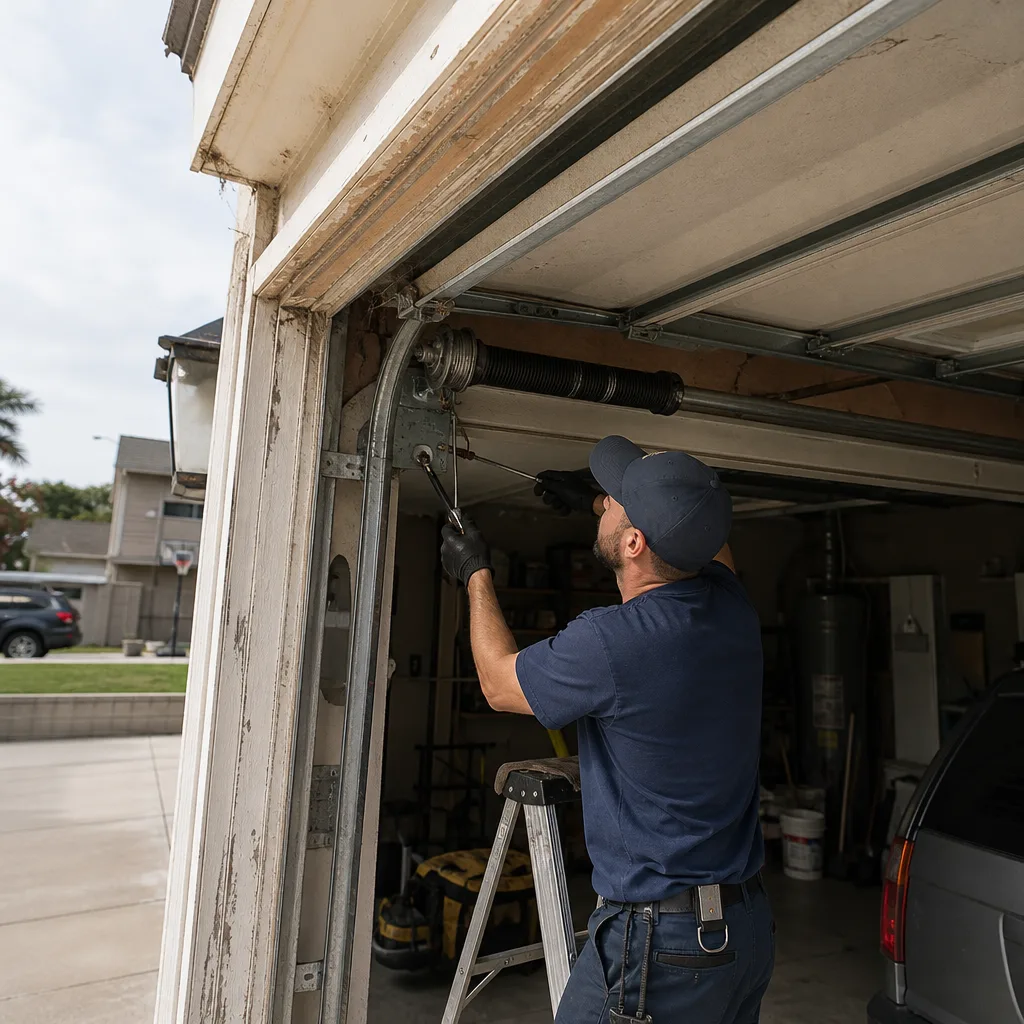 Before
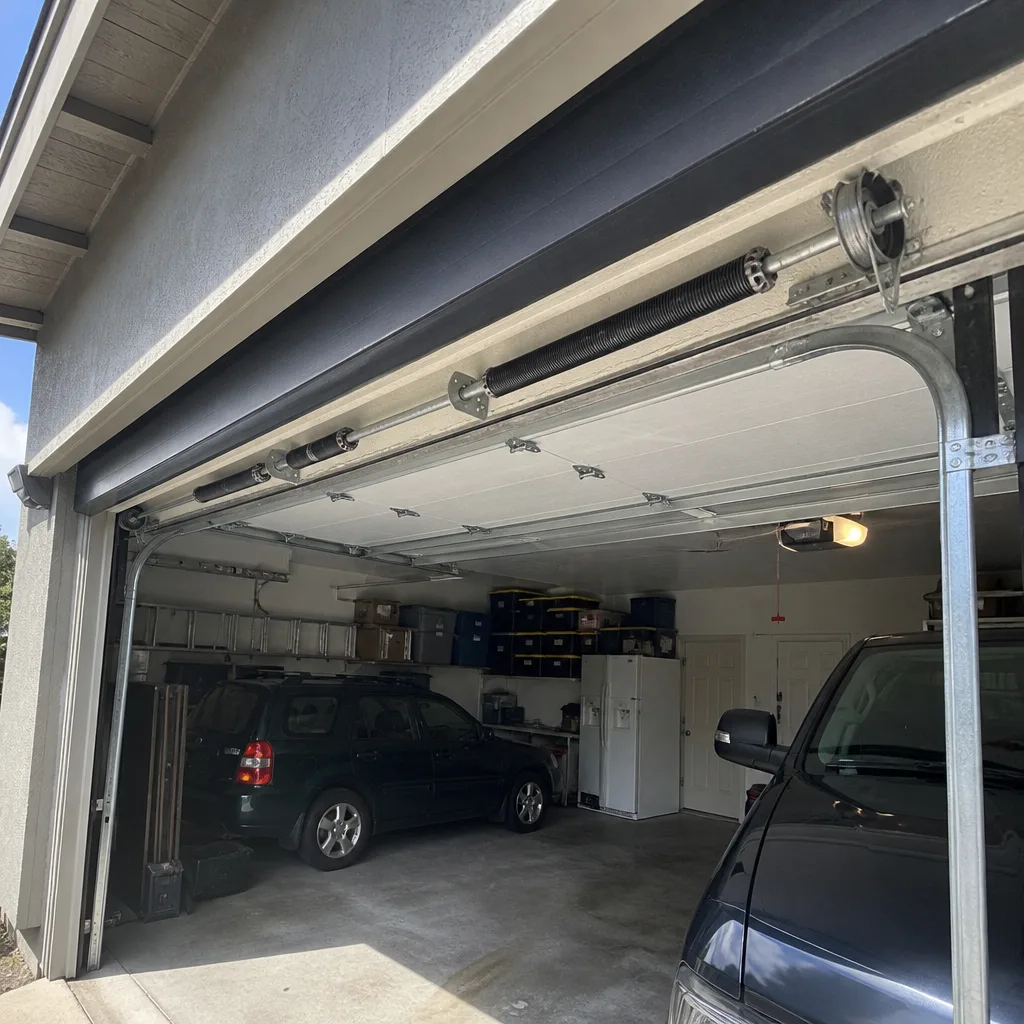 After
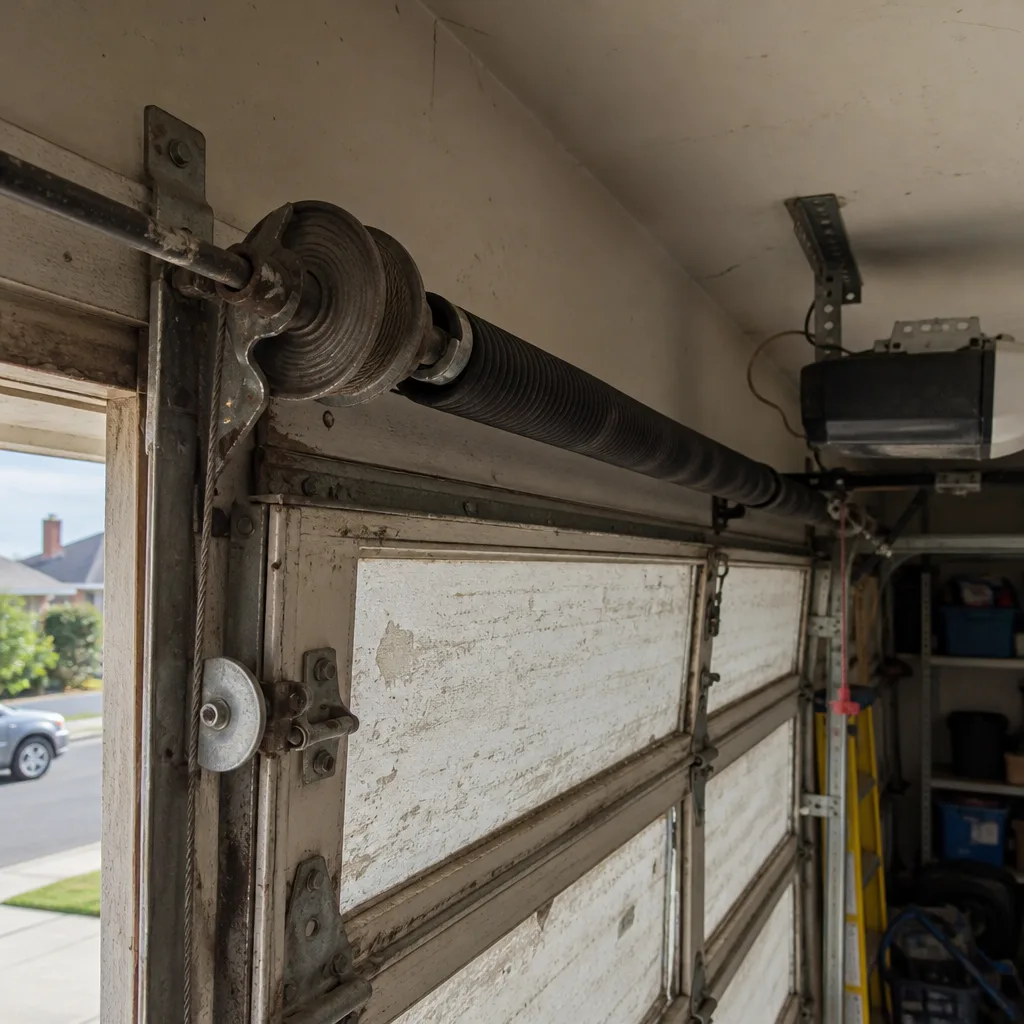 Before
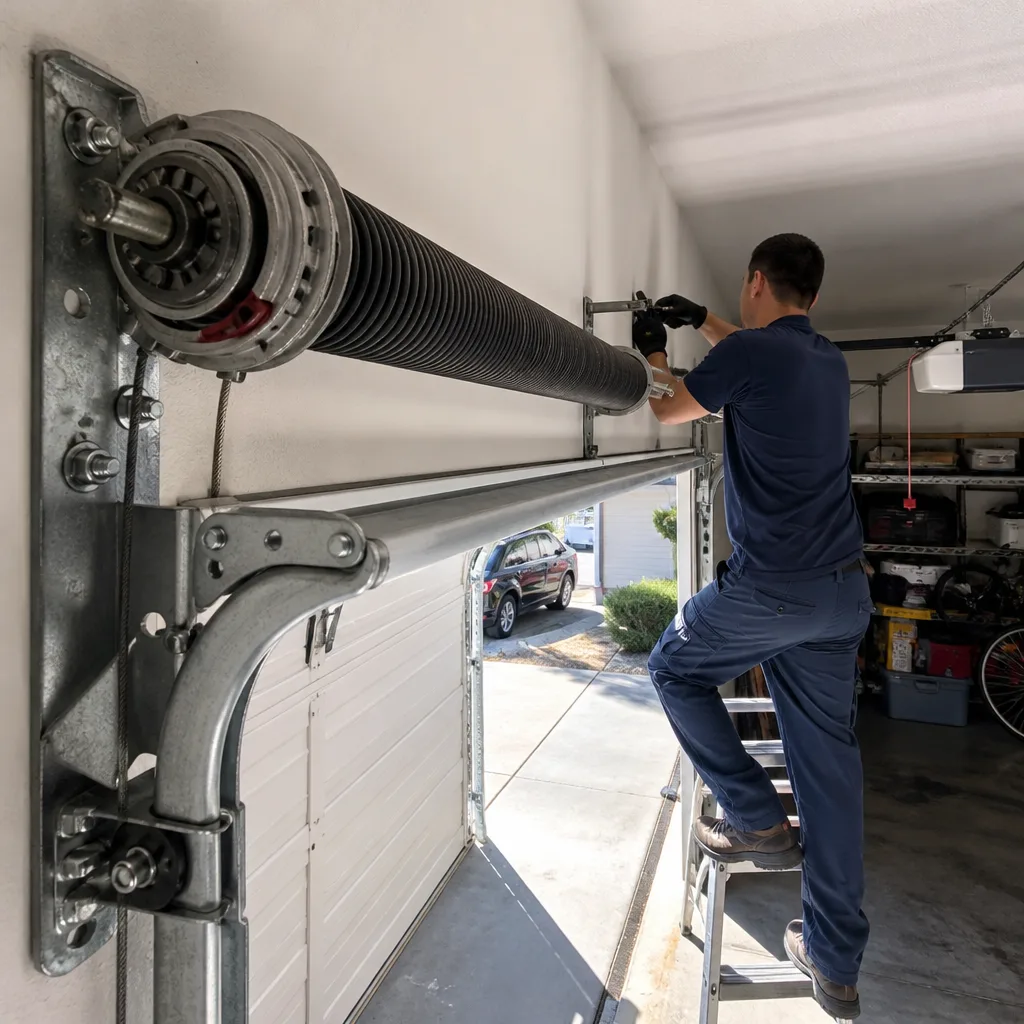 After